The Seaside buckwheat Plant Advantage: Maximizing Home and Office Appeal and Wellness
1
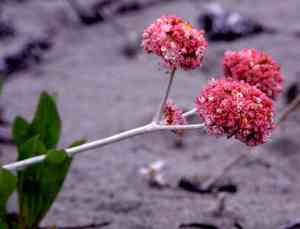
Eriogonum latifolium, or seaside buckwheat, is vital for stabilizing coastal sand dunes and preventing land degradation.
2
This species is highly attractive to various pollinators, particularly bees and butterflies.
3
Seaside buckwheat is recognized for its resilience and capacity to flourish in challenging seaside environments.
What Are the Environmental Advantages of Seaside Buckwheat?
Soil Stability and Erosion Prevention
Seaside buckwheat excels at firming up loose, sandy soils typical of shoreline environments. Its extensive root network binds soil particles, significantly lowering erosion risk. This is vital for preserving coastal dune integrity and preventing land loss from strong winds and waves.
Supporting Coastal Ecosystems
Coastal ecosystems are fragile and easily disrupted by human activities and natural occurrences. Seaside buckwheat offers a stable habitat for numerous native plant and animal species. By forming a dense vegetation mat, it helps create a microenvironment that fosters biodiversity. Additionally, it provides refuge and nesting sites for small creatures and a rich food source for pollinators.
How Does Seaside Buckwheat Benefit Pollinators?
Attracting Bees and Butterflies
A key characteristic of Seaside buckwheat is its capacity to draw in pollinators, particularly bees and butterflies. Its blossoms are rich in nectar and pollen, making them a valuable resource for these insects. Pollinators are crucial for the reproduction of many plants, and by supporting their populations, Seaside buckwheat indirectly contributes to the health of coastal ecosystems and beyond.
Providing Continuous Bloom
Unlike many plants with brief flowering periods, Seaside buckwheat offers an extended blooming season. This ensures pollinators have a consistent food supply over several months, which is essential for their survival and for the pollination of various other plant species in the vicinity.
What Are the Practical Applications of Seaside Buckwheat in Landscaping?
Drought Resistance
Given its natural environment, Seaside buckwheat is exceptionally tolerant of dry conditions. This makes it an excellent choice for xeriscaping, a landscaping approach that reduces or eliminates the need for irrigation. By incorporating Seaside buckwheat into gardens and public areas, water consumption can be significantly lowered, which is especially advantageous in arid and semi-arid regions.
Low Maintenance
Seaside buckwheat requires minimal upkeep once established. It is resistant to pests and diseases and does not need frequent fertilization. This makes it a cost-effective and eco-friendly option for both private gardens and public landscaping projects.
How Does Seaside Buckwheat Enhance Aesthetic Appeal?
Versatile Visual Charm
Seaside buckwheat is known for its lovely clusters of small flowers, which can vary in color from white to pink and even red. These vibrant blooms add a splash of color to coastal landscapes and gardens, boosting their visual attractiveness. The plant's dense foliage and low-growing habit also make it an excellent ground cover, adding texture and depth to planting designs.
Seasonal Interest
Seaside buckwheat provides year-round appeal with its changing hues. In spring and summer, its flowers are in full bloom, drawing attention and admiration. In fall and winter, the dried flower heads and robust foliage offer structure and texture, keeping the garden looking lively even in the off-season.
How Can You Successfully Cultivate Seaside Buckwheat?
Optimal Growing Conditions
Seaside buckwheat thrives in sandy, well-drained soils with full sun exposure. It is well-suited to coastal areas but can also be grown inland under similar conditions. To ensure healthy growth, it's important to replicate its natural habitat as closely as possible, providing ample sunlight and avoiding waterlogged soils.
Planting and Care Advice
When planting Seaside buckwheat, space plants approximately 18 inches apart to accommodate their spreading habit. Water them regularly until they are established, after which they will need minimal watering. Mulching around the base can help retain moisture and suppress weeds, but avoid heavy mulching as it can lead to root rot. Regular pruning of spent flowers will encourage new blooms and keep the plant looking neat.



