Enhancing Your Garden Design with the Seaside buckwheat Plant: A Landscaping Guide
1
Seaside buckwheat is recognized for its visual appeal and its capacity to thrive in diverse settings.
2
Seaside buckwheat is resilient and needs little upkeep, making it an ideal option for gardeners with limited time.
3
Seaside buckwheat supports regional ecosystems by drawing in helpful insects and aiding in the prevention of soil degradation.
Why Select Seaside Buckwheat for Your Landscape?
Understanding the Visual Appeal of Seaside Buckwheat
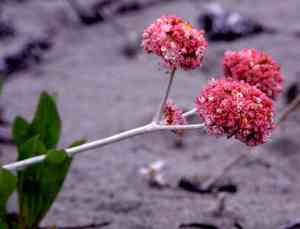
For introducing elegance and natural charm to your garden, Seaside buckwheat stands out. This plant offers a distinct mix of leaf and flower colors that can greatly improve any landscape's look. Seaside buckwheat produces clusters of vivid blossoms, ranging from soft pinks to deep reds, creating a striking contrast with its silvery-green leaves. This makes Seaside buckwheat perfect for gardeners aiming to add color without overwhelming their outdoor space's natural aesthetic.
The Resilience and Adaptability of Seaside Buckwheat
A key reason to choose Seaside buckwheat for your landscaping is its remarkable resilience and adaptability. Seaside buckwheat flourishes in various soil types, including sandy, rocky, and well-drained soils, making it ideal for areas with less-than-perfect soil conditions. Moreover, Seaside buckwheat is drought-tolerant, requiring minimal watering once established, which is a significant benefit for those seeking a sustainable, low-maintenance garden. Its hardiness against environmental stresses ensures Seaside buckwheat will remain a steadfast part of your landscape for years.
Ecological Advantages Linked with Seaside Buckwheat
Seaside buckwheat is more than just a beautiful garden plant; it also provides numerous ecological benefits. This plant is especially good for native ecosystems as it attracts pollinators like bees, butterflies, and other beneficial insects, which are vital for maintaining biodiversity. Additionally, Seaside buckwheat aids in soil stabilization due to its root system, reducing erosion and fostering healthy soil structure. By including Seaside buckwheat in your landscape design, you're not only enhancing your garden but also contributing to the local environment's health.
Designing with Seaside Buckwheat: Creative Concepts and Advice
Integrating Seaside Buckwheat into Various Landscape Styles
Seaside buckwheat is incredibly versatile and can be seamlessly integrated into diverse landscape styles. For a naturalistic garden, consider planting Seaside buckwheat along rocky areas or in gravel gardens where its rugged beauty can shine. If you prefer a more structured appearance, Seaside buckwheat can serve as a border plant along paths or garden beds, creating a neat, defined edge. Its low-growing habit and mounding form make it perfect for ground cover in larger areas, while its vibrant blooms can add seasonal interest in more formal garden designs.
Pairing Seaside Buckwheat with Other Plants: Complementary Selections
To create a visually cohesive and harmonious garden, it's crucial to select companion plants that complement Seaside buckwheat's unique traits. Combine Seaside buckwheat with other drought-tolerant plants like lavender, sage, and ornamental grasses to create a garden that is both attractive and easy to care for. For a vibrant color contrast, consider pairing Seaside buckwheat with plants that have purple or blue flowers, as these colors will enhance the warm hues of Seaside buckwheat's blooms. Additionally, using succulents and other low-water plants alongside Seaside buckwheat can create a stunning, unified xeriscape garden.
Caring for Seaside Buckwheat in Your Garden: Essential Guidelines
Seasonal Maintenance Tips for Seaside Buckwheat
Maintaining Seaside buckwheat in your garden is quite simple, but there are a few seasonal care tips to remember to ensure its vitality. In spring, remove any dead or damaged foliage to encourage new growth. During summer, minimal watering is needed, but in extreme heat, an occasional deep watering can be beneficial. In fall, consider a light pruning to maintain its desired shape and remove spent flower heads. Winter care is minimal, as Seaside buckwheat is hardy and can endure colder temperatures without much intervention.
Common Issues and Solutions
While Seaside buckwheat is generally a robust and low-maintenance plant, you might encounter a few common issues. Overwatering can lead to root rot, so ensure your soil drains well and avoid watering too often. If you notice a lack of blooms, this could be due to excessive shade; Seaside buckwheat thrives in full sun to partial shade, so consider moving it if necessary. Pests and diseases are rare, but if aphids or other insects become a problem, a mild insecticidal soap can usually resolve the issue.



