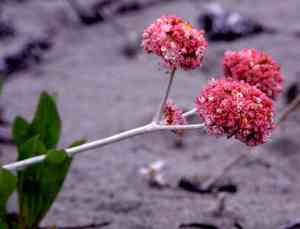
Seaside buckwheat (Eriogonum latifolium)
Also known as: Coast Eriogonum, Coast buckwheat
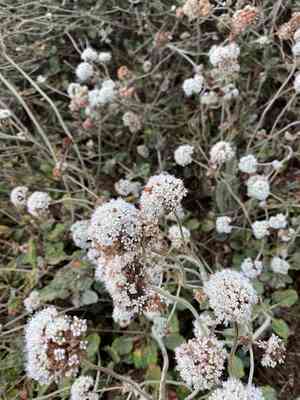
Eriogonum latifolium, known as seaside buckwheat, is an evergreen perennial native to the western coastal regions of the United States. This plant features woolly, gray-green foliage and forms low, compact mounds. Its small, delicate flowers range from pink to white and typically bloom from late summer to early fall. Seaside buckwheat is well-adapted to sandy and rocky coastal soils and is an important resource for pollinators like bees and butterflies.
In This Article
Attributes of Seaside buckwheat
Lifespan
Perennial
Plant Type
Shrub
Plant Height
30 cm
Spread
60 cm
Leaf Color
Blue Gray
Flower Size
2.5 cm to 5 cm
Flower Color
White Pink Purple Red
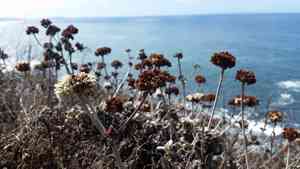
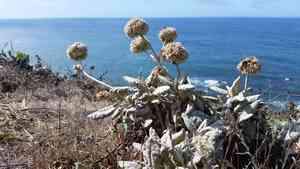
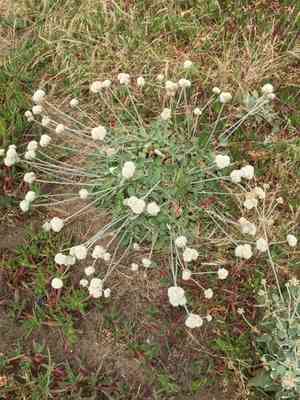
Images of Seaside buckwheat
Quickly Identify Seaside buckwheat
1
Identification features include its clusters of small flowers which can range in color from white to pink or red, and its broad, oval leaves that are woolly underneath.
Scientific Classification of Seaside buckwheat
Phylum
Vascular plants
Class
Dicotyledons
Order
Caryophyllales
Family
Buckwheat
Genus
Wild Buckwheat
Species
Seaside buckwheat
Planting and Growing of Seaside buckwheat
Care Difficulty
Easy
Watering Schedule
Every 2 days
Sunlight Requirements
Full sun
Sunshine Duration
4-6 hours
Ideal Temperature
60-75℉
Soil Type
Potting Mix, Peat Mix
Soil pH
6.5-7.5
Fertilizer Type
Balanced
Pruning Season
Spring, Summer
Pruning Area
Branches, Leaves
Pruning Frequency
2 times a year
Repotting Season
Spring
Pot Type
Plastic, Terracotta
 How to Water Seaside buckwheat?
Eriogonum latifolium, known for its resilience in dry climates, should be watered carefully. Each watering session should mean a good soak of about 250 ml to ensure moisture reaches deep roots. The ground should be damp but not soggy, allowing the soil to dry out adequately between water sessions.
What are the symptoms of an underwatered Seaside buckwheat?
›
What should I do if my Seaside buckwheat is not getting enough water?
›
What are the symptoms of an overwatered Seaside buckwheat?
›
How to save an overwatered Seaside buckwheat?
›
 What Are the Sunlight Requirements for Seaside buckwheat?
Providing Eriogonum latifolium with full to partial sun ensures optimal growth conditions. Adequate sunlight leads to stronger plants, vibrant blooms, and a higher resistance to pests and diseases.
More About Sunlight Requirements Techniques→
What is the ideal light setup for Eriogonum latifolium?
›
How can I ensure Eriogonum latifolium gets the sunlight it needs?
›
What benefits can Eriogonum latifolium experience from ideal lighting conditions?
›
 What Is the Ideal Temperature Range for Seaside buckwheat?
The ideal temperature range for Eriogonum latifolium, commonly known as coast buckwheat, is between 60°F and 75°F. This range allows the plant to thrive, promoting healthy growth and flowering. Within these temperatures, the metabolic processes of the plant are optimized, resulting in robust foliage and blooms. Deviations from this range may result in reduced vitality or altered physiological responses.
 What Soil is Best for Seaside buckwheat?
Eriogonum latifolium thrives in well-draining soils, which prevent waterlogging around the roots. This is crucial as it mimics its natural coastal habitats, ensuring healthy growth and preventing root rot. A nutrient-rich soil supports the plant's vigorous growth. Incorporating organic matter can enhance nutrient availability, ensuring robust blooms and sustained plant health throughout the growing season. Aerated soil ensures that roots receive the oxygen they need, which is vital for cellular processes. This encourages a robust root system, enhancing the plant's ability to absorb nutrients and moisture.
 How to Fertilize Seaside buckwheat?
For Eriogonum latifolium, apply liquid fertilizer at half-strength. Each application should consist of a diluted solution, approximately one tablespoon of liquid fertilizer per gallon of water. Using a proper liquid fertilizer for native plants supports their specific nutrient needs without overwhelming them with excess nutrients.
 How to Prune Seaside buckwheat?
To prune Eriogonum latifolium, always begin by trimming back any dead or diseased stems with clean, sharp tools. Shape the plant gently by cutting back to a lateral bud or branch. This encourages growth in the desired direction and helps maintain the plant's natural form. Use sharp pruning shears to make clean cuts at a 45-degree angle, just above a healthy set of leaves or buds. This angle promotes rapid healing and reduces the risk of disease. Remember to sterilize your tools before and after pruning to minimize any potential contamination.
More About Pruning Techniques→
 How to Propagate Seaside buckwheat plant?
1
Collect seeds from mature Eriogonum latifolium plants. Allow the flowers to dry out naturally on the plant before harvesting seeds. This ensures seed viability and successful germination.
2
Sow seeds in a seed tray filled with sterile potting mix. Space them widely to avoid overcrowding. Cover lightly with soil and gently water to set the seeds in place.
3
Once the seedlings have developed a few true leaves, transplant them to larger pots or their final outdoor location. Ensure the soil is well-drained to promote root establishment.
 How to Repot Seaside buckwheat plant?
1
Eriogonum latifolium signals its need for repotting when its roots start to curl around the pot edges or poke through drainage holes. It's ideal to repot during spring or autumn to avoid peak stress periods in summer and to ensure strong growth following the repot.
2
Select a new pot that is slightly larger than the current one, ensuring it has ample drainage holes. A broader pot allows Eriogonum latifolium to spread its roots efficiently, providing stability and reducing the risk of waterlogging, crucial for its health.
3
Opt for a well-draining sandy soil mix which mimics its native habitat, encouraging healthy root development. This type of soil optimally retains moisture without causing water saturation, which is particularly beneficial for avoiding root rot.



