How to Prune Seaside buckwheat?
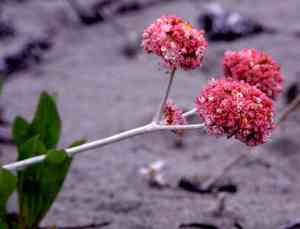
A resilient coastal plant prized for its dense floral clusters and spatulate foliage, seaside buckwheat flourishes with little upkeep. After blooming, trim away withered or faded flower stems to stimulate further blossoms and deter unwanted self-seeding. The colder months are perfect for trimming to revitalize development and preserve a dense shape. Consistent trimming safeguards seaside buckwheat's well-being by eliminating ailing or injured stalks, boosting its aesthetic charm and fostering a vigorous structure.
What Are the Benefits of Pruning Seaside Buckwheat?
What Are the Benefits of Pruning Seaside Buckwheat?
Trimming seaside buckwheat encourages robust development and helps maintain its desired shape. Strategic cutting promotes a strong framework and dense, vibrant foliage, customizing the plant's form for visual appeal and landscape integration.
What Is the Best Time for Pruning Seaside Buckwheat?
What Is the Best Time for Pruning Seaside Buckwheat?
Trimming seaside buckwheat in late winter or early spring is beneficial because the plant is still inactive, reducing stress and minimizing sap loss that can attract pests. This timing precedes new growth, allowing gardeners to shape the plant and remove any cold-damaged stems before the start of the growing season. Ensuring that pruning occurs before seaside buckwheat begins its active growth phase will foster strong development and optimal health throughout the year. Additionally, it avoids cutting the plant during the critical period of late spring to summer when it typically flowers and potentially supports pollinators and wildlife.
What Tools Do I Need to Prune Seaside Buckwheat?
Hand Pruners
Perfect for making clean, accurate cuts on seaside buckwheat's smaller, soft stems, ensuring minimal harm to the plant's structure.
Pruning Shears
Ideal for shaping and maintaining the mounded form of seaside buckwheat and easily trimming back any overgrown foliage.
Gloves
Crucial for protecting hands from potential irritation when handling seaside buckwheat, as well as from sharp tools during the trimming process.
How to Prune Seaside Buckwheat
Clean Equip
Ensure all pruning tools are sharp and sterilized before starting to prevent disease transmission. Use a solution of 1 part bleach to 9 parts water to disinfect the tools.
Remove Withered Leaves
Carefully snip off withered leaves from seaside buckwheat at their base to improve air circulation and reduce potential pest habitats. Use bypass pruners or snips for precise cuts without harming healthy tissue.
Cut Dead Branches
Identify and remove dead branches at their point of origin or back to a main stem, ensuring cuts are clean and made at a slight angle to prevent water accumulation and promote healing.
Excise Diseased Branches
Inspect seaside buckwheat for diseased branches, identifiable by discoloration, unusual growth, or rot, and remove them well below the affected area to stop disease spread. Sterilize cutting tools after each cut to avoid contaminating healthy parts.
Shape Plant
After removing dead and diseased material, shape seaside buckwheat for aesthetic purposes by selectively trimming overgrown areas, always cutting just above a leaf node or bud to encourage new growth in desired directions.
Common Pruning Mistakes with Seaside Buckwheat
Over-Pruning
Removing too much foliage from seaside buckwheat can stress the plant and impede its natural growth pattern, potentially leading to a weaker plant with reduced flowering.
Improper Cut Placement
Cutting too close to the bud or too far from it can either damage new growth or leave unsightly stubs that could attract pests and diseases.
Uneven Pruning
Trimming seaside buckwheat unevenly can result in a lopsided appearance and expose the plant to irregular growth and potential mechanical damage.
Using Dull Tools
Blunt pruning tools can damage the stems of seaside buckwheat by crushing instead of making a clean cut, making the plant more vulnerable to diseases.
Common Pruning Tips for Seaside Buckwheat
Clean Cuts
Use sharp, clean pruning shears to make precise cuts on seaside buckwheat, which will help prevent damage and disease.
Selective Pruning
Trim seaside buckwheat selectively, focusing on dead or damaged stems and spent flower heads to encourage new growth and maintain plant shape.
Consider Plant Structure
Understand the natural shape of seaside buckwheat and prune to enhance its form, without imposing an unnatural shape on the plant.
Health Check
Before trimming seaside buckwheat, inspect the plant's overall health and prune any parts that show signs of disease or infestation to prevent spread.



