How to Transplant Winter aconite?
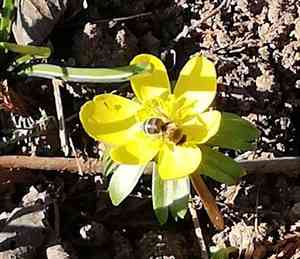
For winter aconite, the cold period of dormancy provides an ideal opportunity for relocation. Select a location with partial sunlight and soil that drains effectively. Guarantee minimal disruption to the roots for a smooth establishment.
Preparations Required Before Relocating Winter Aconite
Optimal Timing for Relocating Winter Aconite?
The colder months are perfect for moving winter aconite, allowing the dormant plant a smooth transition. Conveniently, winter relocation aligns with winter aconite's natural dormancy, promising vigorous spring development.
Recommended Spacing Between Winter Aconite Plants?
To provide winter aconite ample room for expansion, position each approximately 1 foot (30 cm) apart. This ensures sufficient space for root development and establishment.
Best Soil Mixture for Winter Aconite Relocation?
Winter aconite flourishes in soil that drains well and is rich in humus. Improve your garden soil by incorporating compost or other organic matter. Additionally, use a balanced fertilizer to supply essential nutrients.
Where Should You Replant Your Winter Aconite?
Winter aconite performs best in partial to full sun, and can also endure light shade. Therefore, select a spot that receives adequate sunlight. Your green companion will appreciate it.
Equipment to Prepare Before Relocating Winter Aconite
Gardening Gloves
These will safeguard your hands while handling the soil and the winter aconite plant.
Shovel or Spade
For digging a wide trench around the winter aconite plant and lifting it from its original spot.
Garden Pruners
To trim any damaged or diseased roots from winter aconite prior to transplanting.
Watering Can
To hydrate the soil and the plant during and after the relocation process.
Wheelbarrow
To move the winter aconite plant from its initial location to the new planting site.
How to Extract Winter Aconite from the Soil?
How to Extract Winter Aconite from the Soil?
From Ground: If the winter aconite plant is in the ground, first moisten the soil around it using a watering can. Once the soil is damp, dig a trench around the plant with your shovel or spade. Ensure the root ball remains intact. Gently loosen the soil beneath the root ball, then lift the plant from the ground.From Pot: If the winter aconite is in a pot, first water the plant to dampen the soil. Then, tilt the pot sideways, and carefully pull the plant out, keeping the root ball whole. If needed, use a knife to help loosen the edges.From Seedling Tray: If you're dealing with seedlings in a tray, first lightly wet the soil. Then, carefully lift the seedling using a small spoon or fork, taking care not to harm the roots.
Step-by-Step Guide for Relocating Winter Aconite
Preparation
Water the winter aconite plant thoroughly the day before you intend to relocate it. On the day of relocation, prepare the new hole in the ground. It should be twice as wide as the winter aconite plant's root ball and of equal depth.
Removal
Follow the instructions detailed in the 'removal process' based on the plant's initial position. Be sure to handle the plant gently to prevent root damage.
Transplant
Place the winter aconite plant into the new hole, ensuring the top of the rootball is level with the soil surface. Backfill the hole with the original soil you removed.
Water
Water the winter aconite plant thoroughly after relocation. Ensure the soil is moist but not waterlogged.
Post-Relocation Care for Winter Aconite
Mulching
Apply a layer of mulch around the winter aconite plant, keeping it away from the stem, to help maintain soil moisture and temperature.
Watering
For the initial weeks after relocation, keep the soil around the winter aconite consistently damp, but avoid excessive wetness. Slow, deep watering is advised.
Pruning
Remove any withered or dead growth after relocation. This allows the winter aconite plant to prioritize establishing new roots.
Monitoring
Observe the winter aconite plant for signs of stress such as wilting or discoloration. If these symptoms persist, consult a local nursery or extension service.
Addressing Common Issues with Winter Aconite Relocation.
When is the best time to relocate winter aconite?
The optimal period to move winter aconite is during the S10-S12 season, when temperatures drop.
What is the appropriate spacing for winter aconite when relocating?
Allow winter aconite some breathing room. Each plant should be positioned approximately 1 foot (30 cm) from others.
What type of soil should I use when relocating winter aconite?
Winter aconite prefers well-drained soil. Incorporate transplanting compost or organic matter if your soil is heavy clay.
How deep should I plant winter aconite during relocation?
Plant winter aconite corms about 1 to 2 inches (2.5 to 5 cm) deep with the corm's pointed end facing upwards.
How much sunlight does relocated winter aconite require?
Winter aconite enjoys full sun or partial shade. Be sure to select a location where the plant can receive at least six hours of sunlight.
How much water does winter aconite need after relocation?
Water them thoroughly after relocation. However, do not overwater afterward as winter aconite dislikes overly moist conditions.
Do I need to prune winter aconite after relocation?
Generally, winter aconite does not require pruning. Simply remove any dead or yellow leaves to maintain plant health.
How long until I observe new growth after relocating winter aconite?
Patience is essential! You should typically see fresh growth appearing within 2 to 4 weeks after relocation.
Should I fertilize winter aconite after relocation?
Yes, a light application of a slow-release fertilizer will help winter aconite settle in and flourish in its new spot.
What if the leaves of relocated winter aconite begin to yellow?
Yellowing leaves could indicate excessive watering or poor drainage. Reduce watering and ensure the soil drains properly to resolve this issue.



