How to Prune Winter aconite?
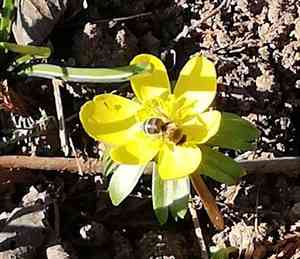
A lively early flowering plant, winter aconite needs very little trimming. After blooming, cut back the withered leaves before the plant goes dormant in summer to keep it neat. Trimming in spring or autumn is not needed, as it naturally recedes. Removing the old flowers helps produce strong blooms in the future. The advantages of pruning involve lowering the chance of disease and pests, and boosting the plant's health.
What Are the Benefits of Pruning Winter Aconite?
What Are the Benefits of Pruning Winter Aconite?
Trimming winter aconite promotes more abundant blooms, revitalizes its development, and assists in maintaining its desired form. Careful cutting back ensures a neat, strong specimen annually.
What Is the Best Time for Pruning Winter Aconite?
What Is the Best Time for Pruning Winter Aconite?
Summer and early autumn are the optimal periods for trimming winter aconite. During these times, the plant has typically concluded its blooming phase, which occurs from late winter to early spring. Pruning after flowering allows gardeners to eliminate spent blossoms and encourage robust growth without hindering the subsequent season's flowers. Summer pruning helps remove any undesirable or overgrown foliage, enhancing air circulation and lowering the risk of plant ailments. Fall pruning should be light, focusing on eliminating dead or diseased leaves, preparing winter aconite for dormancy while preserving its health and shape. It's crucial to avoid extensive pruning late in fall, as new growth might not adequately harden before the onset of cold winter temperatures.
What Tools Do I Need to Prune Winter Aconite?
Bypass Hand Pruners
Ideal for precise removal of old leaves without harming new growth. Their scissor-like action ensures clean cuts that heal faster.
Garden Scissors
Perfect for deadheading and snipping small stems. The sharp blades allow for careful trimming without damaging emerging flowers.
Pruning Snips
Best for detailed work and accessing confined areas. Their small, pointed tips enable gardeners to accurately remove dead or yellowed leaves of winter aconite.
How to Prune Winter Aconite
Clean tools
Before beginning, sanitize pruning implements to prevent disease transmission to winter aconite. Use a bleach and water solution or rubbing alcohol to clean the blades.
Trim diseased leaves
Carefully inspect winter aconite for any indications of diseased leaves, marked by unusual spots or discoloration. Snip these leaves at their base where they connect to the stem, ensuring a clean cut to avoid plant damage.
Remove withered leaves
Identify and eliminate withered or dead leaves from winter aconite to foster healthy development. Cut back the leaf stems to the plant's base without harming the bulb, which remains dormant underground.
Deadhead flowers
Remove spent flowers from winter aconite by cutting the flower stem just above the foliage level. This prevents winter aconite from expending energy on seed production, allowing it to focus on overall plant health.
Cleanup
Gather all removed foliage and flower parts and dispose of them away from the garden to minimize disease risk. This helps keep the area around winter aconite neat and disease-free.
Common Pruning Mistakes with Winter Aconite
Overzealous pruning
Cutting away too much of winter aconite's foliage, especially after blooming, can hinder its ability to photosynthesize and store energy for the next season's growth.
Removing green foliage too soon
Trimming the green leaves of winter aconite immediately after flowering reduces its chance to nourish the underground corm for the subsequent year.
Neglecting diseased material removal
Failure to eliminate any diseased or dying plant material can lead to further infection and compromised plant vitality.
Ignoring plant structure
Pruning without considering winter aconite's natural growth pattern may result in a weakened plant with an irregular growth habit.
Common Pruning Tips for Winter Aconite
Post bloom foliage care
Allow winter aconite's foliage to naturally wither, giving the plant time to store energy before removing any dead leaves.
Disease management
Regularly check winter aconite for signs of disease or pest damage and promptly remove affected plant parts to maintain a healthy specimen.
Minimal pruning approach
Adopt a gentle approach to pruning winter aconite, focusing solely on the removal of spent flowers and damaged or diseased foliage.
Environmental consistency
Ensure that the surrounding environment for winter aconite remains stable after pruning, avoiding significant changes that could stress the plant.



