How to Propagate Winter aconite?
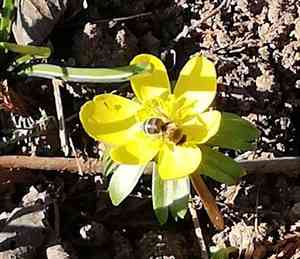
Eranthis flourishes when reproduced via its corms. For optimal development, gently divide the corms after the plant has completed blooming and receded. Select a location with good drainage and ample shade for re-establishment, burying them so their uppermost parts are barely concealed by earth. This method facilitates organic expansion and vigorous development in subsequent years.
Optimal Time for Winter Aconite Propagation
Propagation Method
Utilize The Tubers
Propagation Period
Spring
Tools Required for Winter Aconite Propagation
Garden Trowel
A garden trowel is essential for excavating small holes and carefully removing tubers without harm. Its slender blade is perfect for gently lifting the typically small, clustered tubers of winter aconite. This minimizes root disturbance during the propagation process.
Potting Mix
Employing a well-draining, nutrient-rich potting mix guarantees that winter aconite tubers have the best soil conditions for successful sprouting and growth. The mixture should retain adequate moisture while allowing sufficient drainage to prevent rot, thereby boosting the overall health of the emerging plants.
Labeling Stakes
Labeling stakes are vital for tracking the locations where winter aconite tubers have been planted, especially since they are set in autumn and emerge only in spring. These markers aid in monitoring the progress and care regimen of the propagated plants, reducing the chance of accidental disruption or neglect.
Watering Can with a Fine Rose
A watering can equipped with a fine rose attachment is recommended for gently irrigating the area around winter aconite tubers. This tool delivers a soft, even distribution of water, which is crucial for newly planted tubers, ensuring they receive moisture without being dislodged or exposed by strong watering.
Rooting Hormone Powder
While not always necessary, applying rooting hormone powder can boost root development in winter aconite tubers. This can be particularly beneficial for stimulating stronger root growth, thereby improving the survival rate and vigor of the plants during the critical establishment phases post-propagation.
Caring for Your Newly Propagated Winter Aconite
Caring for Your Newly Propagated Winter Aconite
Post-propagation, maintain consistent soil moisture, especially during dry spells, without overwatering. Winter aconite thrives in partial shade, so ensure the site is ideally semi-shaded. Fertilize with a balanced feed in early spring annually to support blooming. Additionally, shield from late frosts with fleece if sudden cold snaps are predicted. Remove spent flowers to keep planting areas neat.
Common Errors to Avoid When Propagating Winter Aconite
Planting depth
Setting winter aconite tubers too deep or too shallow can significantly hinder their ability to sprout. Incorrect depth might impede proper tuber development due to insufficient soil warmth and nutrient access, potentially leading to decay or dormant growth.
Overwatering
Although winter aconite requires moist soil to flourish, excessive water can cause tuber rot. Overwatering creates a waterlogged environment, reducing oxygen availability to the roots, leading to decay and increased susceptibility to fungal diseases.
Neglecting soil condition
Winter aconite needs well-drained, fertile soil to thrive. Planting in compacted, nutrient-deficient, or heavy clay soils can impede proper root development and diminish overall plant health and flowering potential.
Advice for Propagating Winter Aconite
Proper tuber handling
Handle winter aconite tubers with care during planting to prevent damage. Injured tubers are more susceptible to diseases and may fail to sprout. Careful handling ensures tubers are planted in optimal condition for successful germination.
Adequate spacing
Provide sufficient room between tubers when planting winter aconite. Overcrowding can impede growth due to competition for nutrients and light, and can also facilitate the spread of diseases among plants if any are infected.
Improved soil preparation
Before planting winter aconite, enriching the soil with organic matter or a balanced fertilizer can promote healthier growth and better drainage. Enhanced soil conditions support robust root development and increase the resilience of winter aconite against environmental stressors.



