The Winter aconite Plant Advantage: Maximizing Home and Office Appeal and Wellness
1
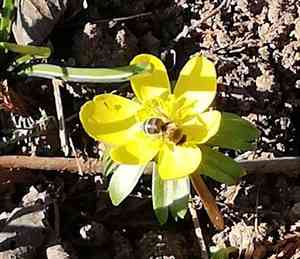
Winter aconite flowers early in spring, frequently emerging while snow remains.
2
Winter aconite draws in pollinators such as bees, offering crucial nectar during the early part of the season.
3
Winter aconite enhances soil quality by stopping erosion and contributing organic material.
What Makes Winter aconite a Unique Addition to Your Garden?
Early Bloomer
Winter aconite is among the first plants to flower as winter transitions into spring. This trait makes it a welcome sight when most other flora remain dormant. The early appearance of its bright yellow blossoms adds a burst of color to otherwise barren gardens, offering a visually pleasing shift from winter to spring.
Supports Pollinators
Pollinators such as bees find Winter aconite blooms especially attractive. As one of the earliest available nectar sources, it plays a vital role in sustaining the health and survival of these beneficial insects. By cultivating Winter aconite, gardeners can help maintain pollinator populations during a critical period when other food sources are scarce.
How Winter aconite Contributes to Soil Health
Prevents Soil Erosion
Winter aconite offers the practical advantage of preventing soil erosion. Its root system helps stabilize the ground, thereby reducing the risk of it being washed away by rain or melting snow. This is particularly beneficial in sloped areas or terrain prone to erosion, ensuring your garden's soil remains intact and fertile.
Adds Organic Matter
As Winter aconite grows and its foliage drops, it decomposes and enriches the soil with organic material. This organic content improves soil structure and fertility. Richer soil not only supports Winter aconite's growth but also benefits other plants in your garden, making it a sustainable choice for long-term garden vitality.
Designing a Garden with Winter aconite
Complementary Plant Pairings
Winter aconite pairs well with other early flowering plants like snowdrops and crocuses. By combining these species, you can create a stunning display of color and diversity, enhancing your garden's visual appeal. These combinations also ensure continuous blooms, providing a dynamic and evolving landscape throughout the early spring season.
Planting and Care Tips
Planting Winter aconite is relatively simple. It prefers well-drained soil and a location that receives partial to full sunlight. For optimal results, plant the corms in the fall, approximately 3 inches deep and 3 inches apart. Once established, Winter aconite requires minimal upkeep, making it an excellent choice for both novice and experienced gardeners. Regular watering during dry periods will help ensure its vigor, but generally, it is quite resilient and adaptable.
Ecological Benefits of Winter aconite
Encourages Biodiversity
Winter aconite plays a crucial role in fostering biodiversity within your garden. By attracting various pollinators and contributing to a rich soil environment, it creates a habitat that supports diverse forms of wildlife. This biodiversity is essential for a balanced ecosystem and can lead to a more resilient garden.
Minimal Pest Problems
Winter aconite is relatively resistant to pests, which is a significant advantage for any gardener. Its natural defenses reduce the need for chemical pesticides, making your garden a safer and more environmentally friendly space. This resistance also means less maintenance effort, allowing you to enjoy the beauty of Winter aconite without constant worry.



