How Much Sunlight Do Winter aconite Need?
1
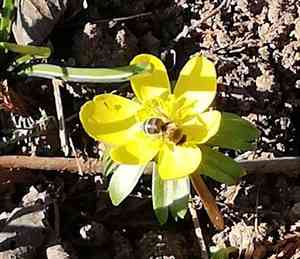
Winter aconite flourishes with partial sun, needing roughly 3-6 hours of daily light exposure.
2
While in bloom, guarantee Winter aconite receives sufficient sunlight to foster its bright yellow blossoms.
3
Too much shade can result in diminished growth and fewer flowers for Winter aconite.
Understanding Winter Aconite Light Needs
Ideal Light Conditions
For Winter aconite, achieving the correct light balance is vital. These charming early bloomers thrive in partial sun, meaning approximately 3-6 hours of daily sunlight. Too much direct sun can burn their delicate leaves, so filtered light or morning sun is preferable. Placing them where they receive gentle sun during cooler parts of the day would be perfect, ensuring sufficient light without overwhelming them.
Seasonal Light Variations
Winter aconite's requirements change with the seasons. In early spring, as they bloom, they benefit from increased sunlight before surrounding trees fully leaf out. Later in the season, the dappled shade from overhead foliage protects them from intense summer sun. This natural seasonal light adjustment supports both flower development and leaf health.
Optimal Planting Spots for Winter Aconite
Best Garden Locations
Choosing the right garden spot for Winter aconite significantly impacts their health and bloom success. Select areas under deciduous trees or near shrubs where they can enjoy early spring sun but be sheltered in hotter months. Garden spots with morning sun and afternoon shade create an ideal microenvironment, providing optimal sunlight without risk of damage from overexposure.
Container Placement
For container gardeners, Winter aconite also performs well in pots. Position containers where they catch morning sunlight. Patios, balconies, or east-facing windowsills offer suitable light. Ensure good drainage and consider moving them to shadier spots during peak summer to prevent overheating and excessive drying.
Impact of Insufficient Light on Winter Aconite
Signs of Low Light
Recognizing signs of inadequate sunlight in Winter aconite is crucial for prompt action. You might observe pale leaves or a leggy appearance, common indicators of insufficient light. Reduced blooming is also a clear sign. Ensuring these plants receive their required light will maintain their health and vibrancy.
Risks of Excessive Shade
While Winter aconite tolerates some shade, too much can be harmful. Excessive shading often leads to weaker growth and significantly fewer flowers. If planted in an area that remains heavily shaded year-round, these plants may struggle to flourish. Monitor their environment and consider pruning nearby plants or relocating your Winter aconite to maintain balanced light exposure.
Managing Light for Peak Growth
Seasonal Adjustments
To ensure Winter aconite gets appropriate sunlight, make seasonal placement adjustments if possible. In early spring, position them to maximize sun exposure. As the year progresses, gradually increase shading using natural canopy cover or shade cloths during peak sun hours. These adjustments mimic their natural habitat, promoting strong, healthy growth cycles.
Supplemental Lighting Options
If natural light is insufficient, especially in colder climates with shorter daylight, supplementary lighting can be very helpful. Use grow lights designed for plants, setting them to provide light for about 6 hours daily. Position these lights approximately 12 inches (30 cm) above the plants for best results. Supplemental lighting ensures consistent light access for your Winter aconite, even on overcast days or indoors.



