How to Transplant Red-vein enkianthus?
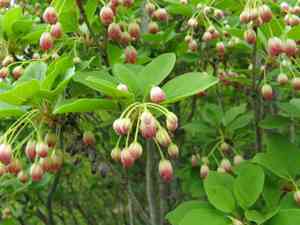
The ideal period for relocating red-vein enkianthus is early spring, allowing its root system to settle prior to the summer season. Select a location offering filtered sunlight and an acidic substrate. Should it be necessary, incorporate leaf compost to facilitate its adjustment, fostering development without excessive intervention.
What Preparations are Needed Before Transplanting Red-vein Enkianthus?
What is the Ideal Time for Transplanting Red-vein Enkianthus?
The prime period for relocating red-vein enkianthus is the onset of spring – early to mid-spring. This timing capitalizes on the plant's dormant state, minimizing shock and promoting optimal root establishment. Granting red-vein enkianthus a spring revival aligns with its natural growth cycle and ensures a smooth transition to vigorous summer vitality. A helpful hint – this strategic move allows red-vein enkianthus's roots to deepen and settle before the summer heat, paving the way for magnificent growth!
How Much Space Should You Leave Between Red-vein Enkianthus Plants?
Initiate your red-vein enkianthus transplanting endeavor by providing ample room for development. Ideally, allocate 6-8 feet (approximately 2-3 meters) of clearance around each plant to allow for comfortable expansion.
What is the Best Soil Mix for Red-vein Enkianthus Transplanting?
For transplanting your red-vein enkianthus, it's best to prepare a well-draining, acidic soil enriched with an organic base fertilizer. Aim for a balanced mixture to encourage blooming.
Where Should You Relocate Your Red-vein Enkianthus?
Red-vein enkianthus absolutely thrives in partial sunlight! Therefore, try selecting a softly dappled sunlit spot in your garden. Remember, not too much direct sun. They appreciate shade during the hottest parts of the day.
What Equipments Should You Prepare Before Transplantation Red-vein Enkianthus?
Gardening Gloves
To safeguard your hands while handling soil and red-vein enkianthus.
Spade/Shovel
Used for excavating the plant from its original spot, and also useful for preparing the new transplant site.
Garden Trowel
Assists in precise planting and covering the roots with soil in the new location.
Wheelbarrow
For transporting the plant from one area to another, especially if it's a larger specimen.
Pruning Shears
To trim any damaged or dead roots and stimulate new growth after transplant.
Watering Can/Hose
To hydrate the plant before and after the transplanting procedure.
Mulch
To provide a protective layer around your transplanted red-vein enkianthus, helping to retain soil moisture.
How Do You Remove Red-vein Enkianthus from the Soil?
How Do You Remove Red-vein Enkianthus from the Soil?
From Ground: Begin by watering your red-vein enkianthus to moisten the surrounding soil. Using a spade or shovel, dig a wide and deep circle around the plant without disturbing its roots. Loosen the soil around the root ball and carefully lift the plant from the ground.From Pot: The optimal time for transplanting is when the red-vein enkianthus is not in bloom. Rotate the pot while gently pulling the base of the plant until it starts to slide out. If the plant seems stuck, you might need to cut the pot away.From Seedling Tray: Water the tray prior to transplant. Use a sanitized spoon or fork handle to carefully ease the seedling out of each cell, taking special care not to harm the delicate roots.
Step-by-Step Guide for Transplanting Red-vein Enkianthus
Prep Work
If you're moving the red-vein enkianthus from a container, water it several hours before the relocation. This makes the plant easier to extract and aids its recovery post-transplant.
Digging
Excavate a hole at the new site approximately twice the width of the root ball and of the same depth. This provides ample room for the roots to spread.
Placement
Position the red-vein enkianthus in the hole, ensuring the top of the root ball is level with the surrounding soil. This facilitates better water absorption.
Backfilling
Refill the hole with the excavated soil, gently firming it around the base of your plant.
Watering
Water the plant generously immediately after transplant. This helps settle the soil around the roots and assists in recovery.
How Do You Care For Red-vein Enkianthus After Transplanting?
Mulching
Apply a layer of mulch around the base of your red-vein enkianthus. This helps retain soil moisture and keeps the roots cool.
Pruning
Light pruning may be beneficial after transplanting. This reduces stress on the roots by decreasing the amount of leaf surface the roots need to supply with water.
Protection
Depending on the transplanting season, the red-vein enkianthus might require some defense against extreme temperatures. Temporary shade could be advantageous during scorching summer days, while a frost cloth can shield it from winter chills.
Monitoring
Keep a close watch on your transplanted red-vein enkianthus, especially for the initial few weeks. If it exhibits any signs of transplant shock or drought stress – such as wilting, discolored leaves, or stunted growth – take prompt corrective actions.
Troubleshooting Common Issues with Red-vein Enkianthus Transplantation.
When is the best time to transplant red-vein enkianthus?
Transplanting red-vein enkianthus is ideal during seasons S1-S2, which offers the plant the best chance of establishing with minimal stress.
How much space is needed between red-vein enkianthus plants?
For optimal growth, it's advisable to maintain a distance of 6-8 feet (1.8-2.4 meters) between each red-vein enkianthus. This ensures sufficient room for growth and proper air circulation.
How deep should the hole be when transplanting red-vein enkianthus?
The hole should be twice the size of the root ball but no deeper. This supports the plant and provides ample space for the roots to grow and spread.
How should I water red-vein enkianthus after transplanting?
Water red-vein enkianthus thoroughly after transplanting, saturating the root zone. Repeat this every few days or when the top 1-2 inches (2.5-5 cm) of soil feel dry.
How much sunlight does red-vein enkianthus need?
Red-vein enkianthus prefers partial shade to full sunlight. Providing the correct amount of sun helps maintain the plant's overall health and coloration.
What kind of soil is ideal for red-vein enkianthus?
Red-vein enkianthus thrives in well-drained, slightly acidic soils. Amend your soil with organic compost to provide abundant nutrients and improve drainage.
What to do if the transplanted red-vein enkianthus wilts?
Wilting after transplanting can indicate transplant shock. Keep the soil moist, ensure moderate sunlight, and be patient. The plant should gradually recover.
How should I prepare red-vein enkianthus for transplanting?
Before transplanting, water red-vein enkianthus thoroughly to reduce shock. Additionally, prune back one-third of the plant's top growth to compensate for root loss during the transplant.
Is it necessary to add fertilizers while transplanting red-vein enkianthus?
Red-vein enkianthus will benefit from a balanced, slow-release fertilizer applied at transplanting time. This will supply nutrients to support growth in its new location.
When will the transplanted red-vein enkianthus start to grow new leaves?
Red-vein enkianthus typically takes a few weeks to establish and begin producing new leaves after being transplanted. Continue caring for the plant with regular watering and appropriate sunlight.



