The Red-vein enkianthus Plant Advantage: Maximizing Home and Office Appeal and Wellness
1
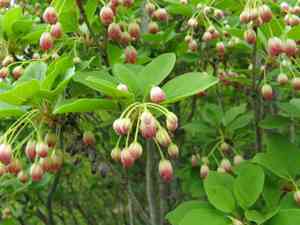
Enkianthus campanulatus, or red-vein enkianthus, is a adaptable decorative shrub prized for its vibrant autumn leaves.
2
This species flourishes across diverse soil compositions and weather patterns.
3
Red-vein enkianthus requires minimal upkeep and benefits native fauna.
What Makes Red-vein enkianthus a Stunning Ornamental Plant?
Aesthetic Appeal
Red-vein enkianthus is celebrated for its beautiful red venation and bell-shaped blossoms, which appear in late spring. Its year-round display of vivid hues makes it a captivating feature in any landscape. In autumn, its foliage transforms into brilliant shades of red, orange, and yellow, adding a vibrant splash of color to your garden.
Flexible Landscaping Use
Given its moderate size and appealing look, Red-vein enkianthus integrates well into diverse garden designs. Whether utilized as a standalone focal point, a border shrub, or part of a mixed planting, it effortlessly enhances garden aesthetics. Its adaptable growth habit also allows it to complement a wide array of other plants.
How to Grow and Care for Red-vein enkianthus?
Optimal Growing Conditions
Red-vein enkianthus thrives in well-drained, acidic soils, yet it tolerates various soil types. It prefers partial shade to full sun, making it adaptable for numerous garden locations. Consistent watering is crucial, especially during dry periods, though the plant shows some drought resistance once mature.
Maintenance Tips
Red-vein enkianthus is relatively low-maintenance after planting. Pruning is seldom needed but can be performed to shape the plant or remove dead branches. Mulching around the base helps retain soil moisture and keep roots cool. It's also wise to monitor for common pests and diseases, though Red-vein enkianthus is generally quite hardy.
What Are the Ecological Benefits of Red-vein enkianthus?
Supports Local Wildlife
Red-vein enkianthus plays a significant role in supporting local ecosystems. Its blooms attract various pollinators, including bees and butterflies, which aid in pollination and foster biodiversity. Birds are also drawn to its dense foliage, finding it a suitable nesting spot and source of refuge.
Soil and Water Conservation
The root system of Red-vein enkianthus helps stabilize the soil, reducing erosion and improving soil structure. This is particularly advantageous in areas prone to erosion or with loose, sandy soils. Furthermore, its capacity to retain moisture can contribute to healthier, more sustainable water management in your garden.
Why Is Red-vein enkianthus Ideal for Sustainable Gardening?
Low Water Requirements
Once established, Red-vein enkianthus exhibits impressive drought tolerance, making it an excellent choice for water-efficient gardens. This characteristic is especially valuable in regions experiencing water scarcity or for gardeners aiming to reduce their overall water consumption.
Minimal Chemical Inputs
Red-vein enkianthus generally requires few chemical treatments, lessening the need for pesticides and fertilizers. This not only minimizes the environmental impact but also contributes to a healthier garden ecosystem. Organic mulches and compost can be used to enrich the soil, further enhancing plant health without synthetic additives.



