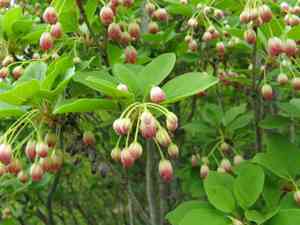
Red-vein enkianthus (Enkianthus campanulatus)
Also known as: Redvein Enkianthus, Furin-tsutsuji
**Red-vein enkianthus**, a bushy shrub native to Japan, has received both the Award of Garden Merit and the Cary Award. Known for its hardiness among Enkianthus species, this shrub is often used as an ornamental plant in parks and gardens.
In This Article
Attributes of Red-vein enkianthus
Lifespan
Perennial
Plant Type
Shrub
Plant Height
3 m
Spread
1.5 m
Leaf Color
Green Yellow Red Orange
Flower Size
2.5 cm
Flower Color
White Pink Red Yellow Cream
Images of Red-vein enkianthus
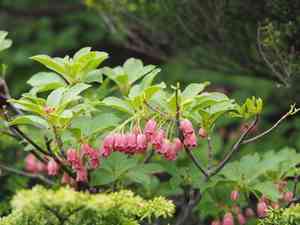
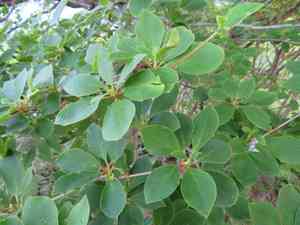
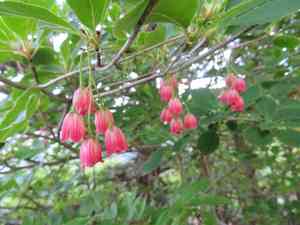
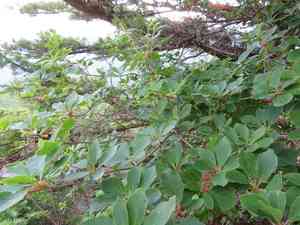
Quickly Identify Red-vein enkianthus
1
Bell-shaped, nodding flowers in racemes.
2
Distinctive inverted bell-shaped seed capsules.
3
Creamy white flowers with red or pink veins.
4
Glossy blue-green to olive green leaves with serrate margins.
5
Slender, tiered stem with reddish-brown coloration.
Scientific Classification of Red-vein enkianthus
Phylum
Vascular plants
Class
Dicotyledons
Order
Ericales
Family
Heath
Genus
Enkianthus
Species
Red-vein enkianthus
Planting and Growing of Red-vein enkianthus
Care Difficulty
Moderate
Watering Schedule
Every 3 days
Sunlight Requirements
Partial sun
Sunshine Duration
4-6 hours
Ideal Temperature
60-70℉
Soil Type
Potting Mix, Peat Mix
Soil pH
5.5-6.5
Fertilizer Type
Balanced
Pruning Season
Spring, Summer
Pruning Area
Branches, Leaves
Pruning Frequency
2 times a year
Repotting Season
Spring
Pot Type
Plastic, Ceramic
 How to Water Red-vein enkianthus?
When watering Enkianthus campanulatus, aim to soak the soil thoroughly with about 500 ml of water each time. The key is to ensure that the water penetrates deeply and reaches the root zone, mimicking the plant's native habitat conditions. Avoid shallow watering as it encourages weak root growth.
What are the symptoms of an underwatered Red-vein enkianthus?
›
What should I do if my Red-vein enkianthus is not getting enough water?
›
What are the symptoms of an overwatered Red-vein enkianthus?
›
How to save an overwatered Red-vein enkianthus?
›
 What Are the Sunlight Requirements for Red-vein enkianthus?
The ideal light range for Enkianthus campanulatus includes partial sun to full shade. This balance promotes healthy leaf growth and abundant flowering, mimicking its native understory conditions.
More About Sunlight Requirements Techniques→
What type of sunlight is best for Enkianthus campanulatus?
›
How can I achieve the ideal light conditions for Enkianthus campanulatus?
›
What are the benefits of providing ideal light for this plant?
›
 What Is the Ideal Temperature Range for Red-vein enkianthus?
The ideal temperature range for Enkianthus campanulatus growth is between 60°F and 70°F. Within this range, the plant thrives as it provides the perfect balance of warmth to fuel photosynthesis without risking dehydration or excessive stress.
 What Soil is Best for Red-vein enkianthus?
Enkianthus campanulatus thrives in soil that retains moisture well but also drains efficiently. Too much water retention can lead to root rot, while poor drainage can dry out the plant. This plant prefers soil rich in organic matter, which provides essential nutrients and supports beneficial microorganisms that enhance soil health and promote lush growth. An acidic soil environment is essential for Enkianthus campanulatus, helping the plant to absorb nutrients effectively and maintain its vibrant foliage and flowers.
 How to Fertilize Red-vein enkianthus?
For Enkianthus campanulatus, apply a balanced liquid fertilizer at a concentration of 50% less than the recommended rate to avoid over-fertilization. This plant prefers a nutrient-rich, yet gently fed environment to promote its health and flowering capability.
 How to Prune Red-vein enkianthus?
Start by removing any dead or diseased branches, which are identifiable by their brittle texture or discoloration. Next, thin out overcrowded areas to increase air circulation within the plant. Finally, trim back branches that detract from the desired shape or symmetry of the shrub. Prune the plant to maintain a pleasing shape, encouraging an open center to allow sunlight to penetrate all parts of the shrub. This light exposure enhances blooming and overall vitality of the Enkianthus campanulatus.
More About Pruning Techniques→
 How to Propagate Red-vein enkianthus plant?
1
Choose a healthy, disease-free parent plant from which to take cuttings or seeds. This ensures the new plants have the best possible start with strong genetics and vigor. Avoid plants with signs of pests or fungal infections.
2
Prepare a well-draining growing medium suitable for the propagation method chosen. For cuttings, a mix of perlite and peat moss can provide an ideal environment for root development. Ensure the medium is moistened before use.
3
Ensure high humidity around the cuttings by covering them with a plastic dome or using a misting system. This helps in preventing water loss and promotes rooting. Monitor and adjust conditions to prevent rot or mold.
 How to Repot Red-vein enkianthus plant?
1
Repotting should be considered when you notice roots circling the bottom of the pot, indicating that the plant has become root-bound. Additionally, if the plant's growth has noticeably slowed down despite appropriate care, it might be time for a change. Spring and autumn, when the plant is less stressed by extreme temperatures, are ideal seasons for this task.
2
Select a pot that's one size larger than the current one. Ensure it has good drainage holes to prevent waterlogging, which can suffocate the roots. Choosing a terracotta pot can aid in moisture regulation due to its porous nature, reducing the risk of root rot while maintaining a steady supply of air.
3
Opt for a soil that's acidic to suit Enkianthus campanulatus' preference. The mix should be well-drained to prevent stagnant water around the roots, which can lead to rot. A combination of peat, pine bark, and perlite offers an excellent base, providing both aeration and moisture retention for healthy root development.



