How to Propagate Red-vein enkianthus?
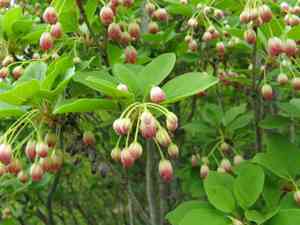
Originating from the elevated forests of Japan, red-vein enkianthus is celebrated for its striking campanulate blossoms and brilliant fall leaves. For reproduction, semi-lignified cuttings acquired in the middle of summer yield the best results. Cuttings ought to be severed with a keen, sterilized implement to avert pathogen spread, preferably from a robust mother plant. Submerging the severed tip in rooting compound can stimulate root formation. Subsequently, the cuttings need to be embedded in a potting blend that drains efficiently, preserving steady dampness, while guaranteeing the substrate stays adequately aerated to deter decay. Encapsulate the cuttings within a plastic pouch to sustain a moist environment, thus fostering root expansion.
Optimal Time for Red-vein Enkianthus Propagation
Propagation Method
Cutting
Propagation Period
Autumn,Winter
Tools for Red-vein Enkianthus Propagation
Sharp Pruning Shears
Sharp pruning shears are vital for obtaining healthy, clean cuttings from red-vein enkianthus for propagation. They help minimize harm to the parent plant and ensure a precise cut on the cutting, which is essential for preventing infections and encouraging better root development.
Rooting Hormone
Rooting hormone powder or gel improves the root development of red-vein enkianthus cuttings. This hormone stimulates root growth from the cut surface, increasing the likelihood of successful propagation.
Sterile Potting Mix
A sterile potting mix, free from disease-causing agents and weeds, offers a safe environment for new red-vein enkianthus cuttings to grow. This medium is crucial to prevent the introduction of illnesses that can harm cuttings before they become established.
Propagation Tray
A propagation tray is used to organize and maintain humidity around new red-vein enkianthus cuttings. These trays, often with a clear cover, create a microenvironment that sustains adequate moisture and warmth, critical for rooting success.
Heat Mat
A heat mat placed beneath the red-vein enkianthus propagation tray can be very beneficial, especially in cooler climates. It helps maintain a consistent temperature that promotes root development in cuttings.
How to Propagate Red-vein Enkianthus?
Propagation Difficulty
Moderately Difficult
Caring for Newly Propagated Red-vein Enkianthus
Caring for Newly Propagated Red-vein Enkianthus
Once the red-vein enkianthus has developed a robust root system, transfer it to a larger container or directly into the garden in a spot with partial shade or filtered light. The soil should be acidic, rich in organic matter, and well-draining. Water consistently, especially during dry periods, and apply a balanced slow-release fertilizer in the spring. Protect from harsh winter winds and use mulch to maintain soil moisture and temperature. Prune after flowering to encourage a bushier form.
Common Errors to Avoid When Propagating Red-vein Enkianthus
Improper Soil Mixture
Using a soil mix that doesn't drain well can lead to waterlogging, which is harmful for red-vein enkianthus as it prefers well-drained, acidic soils. Poor drainage can cause root rot and fungal diseases.
Excessive Watering
While maintaining a moist environment is vital for red-vein enkianthus propagation, overwatering can suffocate its roots, leading to poor growth or death.
Too Much Direct Sun
Red-vein enkianthus naturally grows beneath a canopy of taller trees. Providing too much direct sunlight during propagation can stress the cuttings or seedlings, causing leaf scorch and reduced success rates.
Ignoring Seed Stratification
Failing to properly stratify red-vein enkianthus's seeds can result in poor germination as red-vein enkianthus seeds typically require a period of cold stratification to break dormancy.
Neglecting Hygiene
Not using sterilized tools or containers when propagating red-vein enkianthus can introduce pathogens, leading to infections that hinder healthy growth.
Tips For Propagating Red-vein Enkianthus
Use Acidic Soil Mix
Prepare a well-draining, acidic soil mix rich in organic matter, as this mimics red-vein enkianthus's natural growing conditions and supports root development.
Balance Watering
Keep the soil consistently moist but not waterlogged to maintain the right hydration level for red-vein enkianthus without causing root rot.
Filtered Light
Provide filtered light or partial shade, especially if propagating with cuttings, to prevent stress while allowing enough light for growth.
Cold Stratification
For seed propagation, stratify red-vein enkianthus seeds for several weeks in the refrigerator to improve germination rates, replicating natural winter conditions.
Maintain Cleanliness
Sterilize all tools and containers before use to reduce the risk of disease transmission during the propagation process.



