Enhancing Your Garden Design with the Red-vein enkianthus Plant: A Landscaping Guide
1
Red-vein enkianthus offers striking aesthetic appeal across every season.
2
Red-vein enkianthus is incredibly adaptable and suits diverse garden designs.
3
Appropriate care for Red-vein enkianthus involves trimming, ideal soil quality, and a consistent watering schedule.
Why Select Red-vein Enkianthus for Your Outdoor Spaces?
Visual Appeal: The Aesthetic Advantages of Red-vein Enkianthus
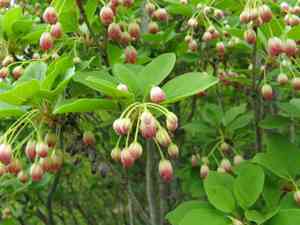
For enhancing your garden's visual charm, Red-vein Enkianthus stands out with its remarkable beauty. This plant showcases bell-shaped flowers that are truly captivating. The blooms display a delightful range of hues, adding an elegant touch to any garden. Furthermore, the vivid red veins on the petals create a striking contrast against the green foliage, making Red-vein Enkianthus naturally eye-catching. Its distinct colors make Red-vein Enkianthus an excellent option for gardeners aiming to create a visually pleasing landscape.
Year-Round Interest: Continuous Beauty from Red-vein Enkianthus
A standout characteristic of Red-vein Enkianthus is its capacity to provide appeal throughout the year. In spring, anticipate a burst of colorful flowers that garner admiration from all who see them. As summer arrives, the lush green leaves offer ample shade and an attractive backdrop for other plants. By autumn, the foliage transforms into a spectacular display of red, orange, and yellow, providing a seasonal burst of color. Even in winter, the intricate branch structure of Red-vein Enkianthus adds architectural interest, ensuring your garden remains engaging all year.
Design Adaptability: How Red-vein Enkianthus Enhances Various Landscape Styles
Red-vein Enkianthus is renowned for its flexibility, making it a valuable addition to numerous landscape designs. Whether you have a cottage garden, a modern minimalist setting, or a traditional arrangement, Red-vein Enkianthus integrates seamlessly. Its adaptable nature allows it to be paired with a variety of plants and garden features. For those looking to create a tranquil Japanese garden, Red-vein Enkianthus's delicate flowers and graceful form are ideal. In a more rustic or woodland environment, it complements other native plants beautifully. Ultimately, Red-vein Enkianthus's versatility helps you achieve your desired landscape aesthetic without sacrificing visual appeal.
Integrating Red-vein Enkianthus into Your Outdoor Design
Placement Suggestions: Ideal Spots for Red-vein Enkianthus in Your Garden
Selecting the correct location for Red-vein Enkianthus is vital for its growth and its impact on your landscape design. Ideally, position Red-vein Enkianthus in an area with partial to full sunlight, as it thrives in such conditions. Consider planting it along garden paths, near water features, or as a solitary specimen in a prominent spot where its beauty can be fully appreciated. Another idea is to use Red-vein Enkianthus as a background for smaller plants and flowers, creating layers of visual depth. The key is to choose a place where Red-vein Enkianthus can display its vibrant colors and elegant form year-round.
Companion Planting: Plants That Complement Red-vein Enkianthus Well
Companion planting can boost the beauty and vitality of Red-vein Enkianthus. Excellent companions include ferns, hostas, and other shade-loving plants that flourish in similar environments. These plants offer textural contrast and a rich green background that accentuates the colorful blooms of Red-vein Enkianthus. Additionally, consider pairing Red-vein Enkianthus with spring bulbs like daffodils and tulips, which flower around the same time and create a stunning color spectacle. By carefully choosing companion plants, you can create a harmonious and visually appealing garden that maximizes the beauty of Red-vein Enkianthus.
Creating Focal Points with Red-vein Enkianthus: Strategic Design Advice
Utilizing Red-vein Enkianthus as a focal point in your garden can elevate the overall design. One strategy is to plant Red-vein Enkianthus at the center of a garden bed surrounded by contrasting foliage and blooms to establish a striking visual anchor. Another effective approach is to place Red-vein Enkianthus at the end of a garden path or at the entrance to your garden to attract visitors' attention. To further enhance its role as a focal point, consider underplanting with low-growing groundcovers that highlight its stature. These deliberate placements help Red-vein Enkianthus stand out and become a memorable feature of your landscape.
Care Guidelines for Red-vein Enkianthus in Landscaping
Fundamental Pruning Methods for Red-vein Enkianthus
Maintaining the form and health of Red-vein Enkianthus requires regular pruning. The optimal time to prune Red-vein Enkianthus is in late winter or early spring before new growth emerges. Begin by removing any dead, damaged, or diseased branches to encourage healthy development. Next, focus on thinning out dense areas to improve air circulation and light penetration. Pruning also involves shaping the plant to preserve its natural form and prevent excessive growth. By following these basic pruning techniques, you ensure that Red-vein Enkianthus remains healthy and continues to be a beautiful addition to your landscape.
Soil and Sunlight: Essential Conditions for Thriving Red-vein Enkianthus
Red-vein Enkianthus flourishes in well-drained soil rich in organic matter. Before planting, amend the soil with compost or other organic materials to enhance its texture and fertility. Sunlight is also crucial for Red-vein Enkianthus's growth; it performs best in partial to full sun. Ensure that the chosen planting site receives adequate sunlight, especially during morning hours, to promote healthy blooming and foliage. By providing the correct soil conditions and sunlight exposure, you create an environment where Red-vein Enkianthus can thrive and enhance your garden's beauty.
Watering Schedules: Ensuring the Vitality of Your Red-vein Enkianthus
Proper watering is vital for the health of Red-vein Enkianthus. During the initial planting phase, water Red-vein Enkianthus thoroughly to help establish its root system. Once established, Red-vein Enkianthus needs consistent moisture, but be careful not to overwater. The soil should remain moist but not waterlogged. A good practice is to water deeply but less frequently to encourage deep root growth. Mulching around the base of Red-vein Enkianthus can help retain soil moisture and reduce the need for frequent watering. By adhering to these watering regimens, you can ensure that Red-vein Enkianthus remains healthy and vibrant in your landscape.



