How to Prune Red-vein enkianthus?
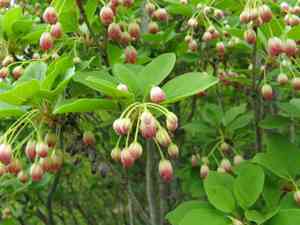
Recognized for its campanulate blossoms and crimson-veined foliage, red-vein enkianthus flourishes with judicious trimming. Essential methods involve reducing dense branches, eliminating deceased or impaired wood, and sculpting for visual attractiveness. The ideal period for pruning is late spring or early summer, following the blooming phase, to foster fresh development and sustain vitality. Trim cautiously to prevent an abundance of new, fragile shoots that could diminish flower quality. Consistent pruning aids red-vein enkianthus by promoting robust growth and refining the plant's inherent structure.
Advantages of Trimming Red-vein Enkianthus
Advantages of Trimming Red-vein Enkianthus
Trimming red-vein enkianthus promotes abundant flowering and refines its inherent structure. Strategic cutting helps deter pest infestations and diseases, boosting red-vein enkianthus's overall health and lifespan.
Optimal Period for Trimming Red-vein Enkianthus
Optimal Period for Trimming Red-vein Enkianthus
Trimming red-vein enkianthus from late spring to early summer is ideal, as this time follows its main flowering period. Since red-vein enkianthus typically blooms in spring, pruning after the flowers have faded prevents the removal of future flower buds, which developed in the prior season. This timing also allows the plant to recover and produce new growth before its dormant phase in autumn and winter. Furthermore, pruning in late spring to early summer reduces the risk of frost damage to fresh cuts and lessens the chance of diseases entering pruning wounds, as warmer weather facilitates quicker wound closure and is generally drier, discouraging fungal development.
Tools Required for Trimming Red-vein Enkianthus
Bypass Pruners
Perfect for making precise cuts on red-vein enkianthus's smaller branches and twigs, bypass pruners offer accuracy and prevent harm to the plant's delicate tissues.
Loppers
Best suited for reaching higher or thicker branches up to 1.5 inches in diameter, ensuring a clean cut without straining the gardener's hands.
Pruning Saw
A pruning saw is essential for cutting branches thicker than 1.5 inches, allowing for controlled and accurate cuts on red-vein enkianthus without tearing the bark.
Gloves
Protective gloves are vital for the gardener's safety when trimming red-vein enkianthus, preventing scratches and ensuring a firm grip on the tools used.
Cleaning Solution
To prevent disease transmission, it's crucial to sanitize pruning tools before and after caring for red-vein enkianthus, using a cleaning solution or alcohol wipes.
How to Trim Red-vein Enkianthus
Sanitize Tools
Before beginning, ensure all pruning tools are clean and disinfected to prevent the spread of disease to red-vein enkianthus.
Remove Damaged Parts
Cut away any diseased or withered leaves, as well as dead or diseased branches from red-vein enkianthus using sharp, clean pruning shears. Make cuts at a 45-degree angle to promote healing and prevent water accumulation.
Trim Spent Flowers
Remove spent flowers from red-vein enkianthus to encourage new growth. Snip the flower stems just above the first set of healthy leaves.
Manage Growth
To control excessive growth and maintain red-vein enkianthus's shape, trim back overly long branches. Cut just above a leaf node or side branch to promote bushier growth.
Clear Debris
After trimming red-vein enkianthus, clear away all trimmings from the ground to deter pests and diseases. This also helps keep the area tidy and provides a clear view of the plant's structure.
Common Trimming Errors with Red-vein Enkianthus
Excessive Pruning
Removing too much foliage at once can stress red-vein enkianthus, impede its growth, and reduce flowering. It's important to trim no more than one-third of the plant at a time.
Insufficient Tool Hygiene
Using dirty tools can introduce pathogens to red-vein enkianthus. Always use clean, sharp pruning shears to make clean cuts and avoid infections.
Incorrect Cut Placement
Cutting too close to or too far from the bud can either harm the growth node or leave unsightly stubs that may not heal properly and become entry points for disease.
Ignoring Plant Structure
Failing to recognize the natural shape and growth habit of red-vein enkianthus can lead to unbalanced trimming, affecting both the plant's appearance and health.
Neglecting Deadwood Removal
Forgetting to remove dead or diseased wood can hinder growth and potentially spread decaying organisms throughout red-vein enkianthus.
Indiscriminate Shearing
Using hedge clippers to indiscriminately shear red-vein enkianthus can damage the plant's natural shape and result in a less desirable display of flowers.
Disregarding Branch Angles
Trimming without considering branch angles might lead to awkward growth and weak joints that are more prone to damage.
General Trimming Advice for Red-vein Enkianthus
Selective Thinning
Thinning out crowded branches by cutting at the base promotes airflow, light penetration, and maintains the natural form of red-vein enkianthus, leading to improved health and flowering.
Consider Growth Pattern
Be mindful of red-vein enkianthus's growth pattern; it blooms on old wood, so it's best to trim just after flowering to avoid removing next year's buds.
Follow The 'One-Third' Rule
Limit trimming by removing no more than one-third of the plant's total growth to keep red-vein enkianthus healthy and prevent shock.
Clean Cuts
Make clean cuts at a slight angle above outward-facing buds to promote outward growth and allow water to run off the cut surface, reducing decay risks.
Regular Maintenance
Regularly inspect red-vein enkianthus for dead, diseased, or damaged branches and remove them promptly to maintain the plant's vigor.
Rejuvenation Pruning
If red-vein enkianthus is old or overgrown, spread out rejuvenation pruning over several years, removing select old stems to ground level to invigorate the plant without causing stress.
Shape Retention
Trim with the natural shape of red-vein enkianthus in mind to enhance its beauty rather than forcing it into an unnatural form.



