How to Transplant Whispering bells?
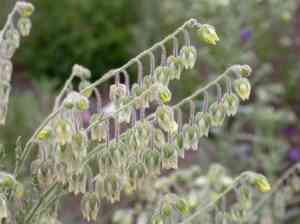
Common knowledge indicates that the ideal period for relocating whispering bells extends from early spring to the brink of summer, fostering vigorous development. Place whispering bells in bright areas with soil that drains effectively to flourish; no additional transplanting advice is necessary for this hardy specimen.
What Preparations are Needed Before Transplanting Whispering Bells?
What is the Ideal Time for Transplanting Whispering Bells?
The optimal period for relocating whispering bells spans from early spring's awakening to the onset of summer's warmth. Moving whispering bells during this timeframe leverages the mild yet rising temperatures and the soil's receptiveness to support new development. These conditions are perfect, allowing whispering bells to establish itself prior to intense summer heat, promoting superior growth and abundant blooms. Transplanting within this window ensures roots have ample opportunity to strengthen, thereby boosting the resilience and vigor of whispering bells.
How Much Space Should You Leave Between Whispering Bells Plants?
When moving whispering bells, aim for a separation of approximately 6-12 inches (15-30 cm) between plants. This provides each plant sufficient room to thrive while creating an attractive, dense appearance in your garden.
What is the Best Soil Mix for Whispering Bells Transplanting?
Prepare a location for your whispering bells with soil that drains effectively. Enhance the planting site with a foundational fertilizer, such as a balanced 10-10-10 blend, to give your whispering bells a strong start. Apply according to product directions.
Where Should You Relocate Your Whispering Bells?
Select a site for your whispering bells that receives direct sunlight for the majority of the day. This will ensure your plants absorb the necessary light for beautiful flowering. Avoid overly shaded areas to keep whispering bells thriving.
What Equipments Should You Prepare Before Transplantation Whispering Bells?
Gardening Gloves
To safeguard your hands while handling soil and plants.
Hand Trowel
For excavating small holes and refining the new planting spot.
Watering Can or Hose
To hydrate the plant before and after its relocation.
Measuring Tape
To gauge the distance between plants and the depth of holes.
Garden Fork or Shovel
To loosen the ground and dig larger holes if required.
Pruning Shears
To trim any damaged roots or foliage prior to transplanting.
How Do You Remove Whispering Bells from the Soil?
How Do You Remove Whispering Bells from the Soil?
From Seedling Tray: Gently compress or push the base of each cell to loosen the soil and root mass before carefully extracting the whispering bells seedling.From Pot: Thoroughly water the whispering bells before moving. Invert the pot, support the plant's base, tap the bottom, and carefully slide the plant out, preserving the root ball's integrity.From Ground: Irrigate the area surrounding the whispering bells's roots to make the soil easier to manage. Using a spade, dig around the root zone and carefully lift the plant, retaining as much of the root ball as possible.
Step-by-Step Guide for Transplanting Whispering Bells
Prepare New Location
Excavate a hole at the new site that is twice the width of the whispering bells's root ball to encourage root expansion.
Inspect Roots
Examine the whispering bells's roots and trim any broken or compromised sections with pruning shears to promote healthy regrowth.
Positioning
Carefully place the whispering bells into the hole, ensuring it is upright and centered.
Soil Refilling
Backfill the hole with soil around the whispering bells, gently tamping down to eliminate air pockets.
Water Thoroughly
Water the whispering bells generously after planting to settle the soil and hydrate the roots.
Mulching
Apply a layer of mulch around the base of the whispering bells, leaving some space around the stem to prevent rot.
How Do You Care For Whispering Bells After Transplanting?
Monitoring
Regularly observe the whispering bells for indications of transplant shock, such as wilting or discolored leaves.
Watering
Keep the soil around the whispering bells consistently moist for the initial few weeks post-transplant to aid root establishment.
Stabilizing
If the whispering bells appears unstable, consider staking it until it is more rooted and capable of self-support.
Pruning
Prune any dead or yellowing leaves from the whispering bells to redirect energy to the plant's healthy sections.
Troubleshooting Common Issues with Whispering Bells Transplantation.
How do I know when it's the best time to transplant whispering bells?
Relocate whispering bells during early to late spring when temperatures are mild and the risk of frost has passed.
What's the ideal spacing when transplanting whispering bells?
Space whispering bells 6-12 inches (15-30 cm) apart to give each plant ample room to thrive.
What should I do if whispering bells's roots are tangled in the pot?
Gently untangle the roots of whispering bells before planting to encourage proper growth and prevent root-bound issues.
How deep should I plant whispering bells seedlings?
Plant whispering bells at the same depth they were in their containers, ensuring the root crown is at soil level.
How much should I water whispering bells after transplanting?
Water whispering bells thoroughly post-transplant to settle the soil around the roots and ensure good hydration, but avoid waterlogging.
Why are my transplanted whispering bells plants wilting?
Wilting could be due to transplant shock. Reduce stress by keeping the soil moist and providing shade if necessary.
Can I use fertilizer immediately after transplanting whispering bells?
Wait a few weeks before fertilizing whispering bells to allow roots to recover and establish without burning them with excess nutrients.
How can I protect whispering bells seedlings from strong winds after transplanting?
Provide a windbreak or shelter for whispering bells until they are more established and resilient to harsh conditions.
What type of soil is best for transplanting whispering bells?
Use well-draining soil rich in organic matter for best results when transplanting whispering bells.
How can I tell if whispering bells is getting enough light after transplanting?
After transplanting whispering bells, ensure it's placed in a spot with full sun to partial shade to meet its light requirements.



