How to Propagate Whispering bells?
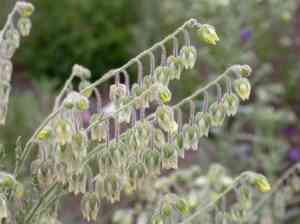
Whispering bells is a unique wild bloom recognized for its drooping, campanulate blossoms that impart a gentle, subdued ambiance to the environment. To multiply whispering bells, planting seeds directly into a soil blend that drains efficiently guarantees strong sprouting. Since whispering bells flourishes in ample sunlight, situate the planting area appropriately. Lightly cover the seeds with earth, as they need some illumination to sprout successfully. Preserve steady dampness throughout the sprouting phase. With perseverance and suitable attention, cultivators will be gratified by the delightful exhibition of whispering bells.
Optimal Time for Whispering Bells Propagation
Propagation Method
Seeding
Propagation Period
Spring
Tools for Whispering Bells Propagation
Seed trays
Seed trays are vital for initiating whispering bells from seeds, enabling efficient use of space and simple management of numerous seedlings. Individual compartments help minimize root disturbance during transplanting, which is crucial for the delicate roots of whispering bells.
Fine vermiculite or seed-starting mix
These mediums offer the light, sterile, and moisture-retaining environment necessary for successful germination of whispering bells seeds. They prevent damping off and other fungal issues that could hinder seedling growth.
Misting spray bottle
A misting spray bottle is essential for gently irrigating whispering bells seeds without dislodging them. The fine mist ensures uniform moisture distribution, vital for seed germination without creating excessively wet conditions that could lead to fungal problems.
Grow lights or fluorescent lamps
Supplying adequate light is crucial for the germination and initial growth phases of whispering bells. Grow lights help mimic natural light conditions, fostering stronger and healthier growth when natural light is insufficient.
Thermometer and hygrometer
These instruments are used to monitor temperature and humidity levels in the propagation environment of whispering bells. Maintaining ideal conditions promotes higher germination rates and healthier seedling development.
Dibber or small stick
This implement is used for creating small depressions in the propagation medium to sow whispering bells seeds. It ensures that seeds are positioned at the correct depth, which is critical for optimal germination rates.
Propagating Whispering Bells Guide
Propagation Type
Simple
Caring for Your Newly Propagated Whispering Bells
Caring for Your Newly Propagated Whispering Bells
Once germination occurs, thin seedlings to prevent overcrowding, allowing each plant to develop healthily. Gradually introduce young plants to outdoor conditions before transplanting them to their permanent spot, which should be in well-drained soil with full sun to partial shade. Maintain regular watering, especially during dry spells, but avoid overwatering. No specific fertilization is needed initially; focus on establishing robust root systems.
Common Propagation Errors to Avoid with Whispering Bells
Overwatering
Supplying too much water to whispering bells during propagation can lead to root rot and fungal diseases, hindering development.
Deeper Sowing
Sowing whispering bells seeds too deeply might impede germination, as seedlings may struggle to break through the soil surface.
Inadequate Light
Failure to provide sufficient light during the early growth stages of whispering bells can result in weak, elongated plants that struggle to thrive.
Whispering Bells Propagation Tips
Moderate Watering
Keep the soil of whispering bells consistently moist but not waterlogged to support healthy germination and root development.
Surface Sowing
Scatter whispering bells seeds on the soil surface, as they require light for germination. Gently press them into the surface rather than covering them with soil.
Bright, Indirect Light
Place whispering bells in a location where it can receive bright, indirect sunlight to promote robust, stocky growth.



