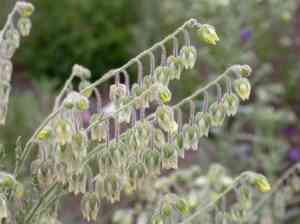
Whispering bells (Emmenanthe penduliflora)
Also known as: Whispering Bells
Emmenanthe penduliflora, commonly called whispering bells, is native to California but also occurs in other regions of western North America. It is the sole species in its genus and thrives in dry, recently burnt environments. The flowers, which hang down, make a rustling sound in the wind, giving the plant its distinctive name.
In This Article
Attributes of Whispering bells
Lifespan
Annual
Plant Type
Herb
Plant Height
10 cm to 30 cm
Spread
10 cm
Leaf Color
Green
Flower Size
1.3 cm
Flower Color
Yellow
Images of Whispering bells
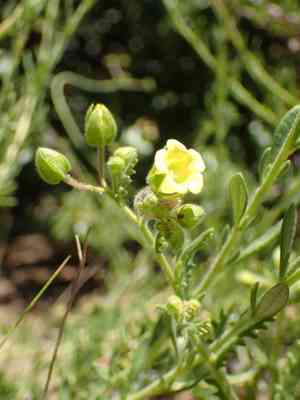
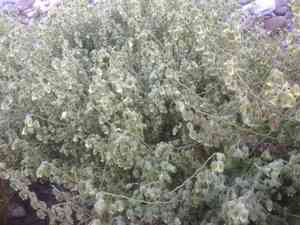
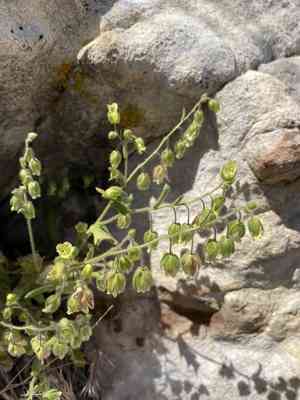
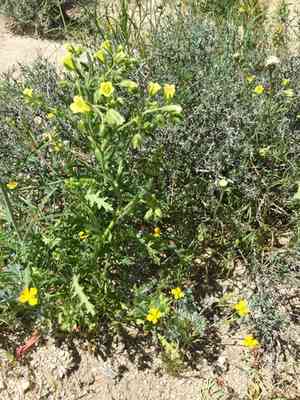
Quickly Identify Whispering bells
1
Emmenanthe penduliflora can be identified by its unique bell-shaped yellow flowers that hang downward and its fine, hair-like leaves. The plant emanates a distinct soft rustling noise when it moves, hence the name \'whispering bells\'.
Scientific Classification of Whispering bells
Phylum
Vascular plants
Class
Dicotyledons
Order
Boraginales
Family
Waterleaf
Genus
Whispering bells
Species
Whispering bells
Planting and Growing of Whispering bells
Care Difficulty
Easy
Watering Schedule
Every 2 days
Sunlight Requirements
Full sun
Sunshine Duration
6-10 hours
Ideal Temperature
60-75℉
Soil Type
Potting Mix, Peat Mix
Soil pH
6.5-7.5
Fertilizer Type
Balanced
Pruning Season
Spring, Summer
Pruning Area
Branches, Leaves
Pruning Frequency
2 times a year
Repotting Season
Spring
Pot Type
Terracotta, Plastic
 How to Water Whispering bells?
For Emmenanthe penduliflora, known for its cascading blooms, watering should simulate its native arid environment; about 500 milliliters per session is often sufficient. Water thoroughly until it begins to drain from the pot's holes. This ensures the entire root system receives adequate moisture without being waterlogged.
What are the symptoms of an underwatered Whispering bells?
›
What should I do if my Whispering bells is not getting enough water?
›
What are the symptoms of an overwatered Whispering bells?
›
How to save an overwatered Whispering bells?
›
 What Are the Sunlight Requirements for Whispering bells?
Emmenanthe penduliflora thrives in full to partial sun, benefiting from prolonged sunlight exposure. Ideal lighting conditions enhance flowering, ensuring vibrant blooms and robust plant health.
More About Sunlight Requirements Techniques→
What is the best lighting setting for Emmenanthe penduliflora?
›
How can one ensure the plant receives its ideal light conditions?
›
What are the benefits of providing ideal light conditions?
›
 What Is the Ideal Temperature Range for Whispering bells?
For optimal growth, Emmenanthe penduliflora thrives in temperatures between 60°F and 75°F. These conditions mimic its native habitat, supporting healthy physiological processes such as photosynthesis and nutrient uptake. Maintaining this range ensures the plant's structural integrity and prevents stress.
 What Soil is Best for Whispering bells?
Emmenanthe penduliflora thrives in well-drained soils that prevent waterlogging and root rot, allowing its roots to breathe and access essential nutrients efficiently, promoting robust growth and stunning blooms. This plant benefits from soils that supply moderate nutrients, supporting foliage growth and flower development without excessive nitrogen, which might lead to lanky stems and fewer blooms. Emmenanthe penduliflora prefers slightly acidic to neutral pH levels between 6.5 and 7.5, which allow optimal nutrient availability, ensuring vivid flower coloration and overall plant vigor.
 How to Fertilize Whispering bells?
For Emmenanthe penduliflora, it's crucial to apply fertilizers judiciously. A balanced 10-10-10 NPK fertilizer is recommended. Use about half the recommended dose on the package to prevent burn. About 1 tablespoon per gallon of water for liquid fertilizers should suffice.
 How to Prune Whispering bells?
Begin by examining the plant closely to identify any dead or diseased branches and leaves. Remove these parts carefully, cutting right above a healthy bud or leaf node to encourage new growth. When cutting back Emmenanthe penduliflora for shape, aim for a natural, flowing outline. Prune selectively to maintain its pendulous, airy beauty, enhancing its natural form without being too aggressive.
More About Pruning Techniques→
 How to Propagate Whispering bells plant?
1
Collect seeds from mature Emmenanthe penduliflora plants when the seed capsules have dried but before they have dispersed. Ensure seeds are clean and free of any debris or damaged pieces.
2
Sow the seeds in seed trays filled with potting soil. Scatter the seeds lightly on the surface and cover them with a fine layer of soil. Lightly water the seeds with a spray bottle to avoid dislodging them.
3
Place the seed trays in a warm, sunny location. Ensure consistent moisture by checking daily and watering as needed without over-saturating the soil. Germination typically occurs within 2-4 weeks.
 How to Repot Whispering bells plant?
1
Emmenanthe penduliflora typically needs repotting when its growth slows, roots start appearing out of drainage holes, or if the soil rapidly dries. These indicators suggest the plant needs more space or fresh soil nutrients.
2
Choose a pot that is just a couple of inches larger in diameter than the current one. Opt for a container with good drainage holes to prevent waterlogging, which can lead to root rot and other issues.
3
For this plant, a well-draining sandy soil is ideal. This type of soil mimics its natural habitat and helps to prevent excess moisture retention that can cause root damage.
Learn More About Whispering bells Diseases
Anthracnose
Bacterial Leaf Spot
Bacterial Wilt
Crown Gall
Cyst Nematode
Damping-off
Downy Mildew
Drought Stress
Fusarium Wilt
Gray Mold
Leaf Curl
Leaf Spot
Mosaic
Nutrient Deficiency
Nutrient Toxicity
Powdery Mildew
Root Rot
Root-knot Nematode
Rusts
Sooty Mold
Spider Mites
Temperature Stress
Thrips Damage
White Mold



