How to Prune Whispering bells?
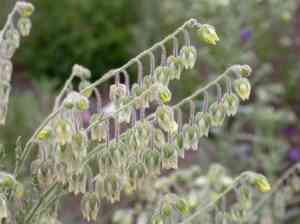
This enduring plant, featuring golden-yellow blossoms, flourishes in adequately drained earth and ample sunlight. To foster robust development, snip off withered or faded flowers to stimulate further blooming. Perform a substantial cutback at the conclusion of the cultivation period to preserve a dense shape and encourage strong spring development. The most effective time for trimming is in spring when fresh leaves appear, and following the flowering phases in summer and autumn. Trimming aids whispering bells by inhibiting self-propagation and managing its expansion within cultivated areas.
Advantages of Trimming Whispering Bells
Advantages of Trimming Whispering Bells
Trimming whispering bells promotes its robust development and maintains its desired form. Strategic cuts can revitalize the plant, ensuring thick, strong foliage and a neat, attractive shape.
Optimal Time for Trimming Whispering Bells
Optimal Time for Trimming Whispering Bells
Late Spring is an ideal period for trimming whispering bells once the danger of frost has passed and new growth is visible, ensuring the plant's energy is directed towards healthy shoots. Early Fall is suitable for light trimming to prepare whispering bells for winter, removing any spent flowers or dead growth without stimulating new growth that could be damaged by the approaching cold.
Necessary Tools for Trimming Whispering Bells
Hand Pruners
Perfect for cutting stems up to 3/4 inch thick, hand pruners are excellent for deadheading and shaping whispering bells without causing undue harm to the plant.
Pruning Shears
Pruning shears are appropriate for snipping through slender stems and branches, making them a great implement for preserving the overall health and appearance of whispering bells.
Pruning Saw
For older whispering bells specimens that may have developed thicker branches, a pruning saw can be utilized to remove branches exceeding 1 inch in diameter.
Gloves
Wearing gloves is crucial to safeguard hands from scrapes and irritation that might occur while trimming whispering bells.
How to Trim Whispering Bells
Sterilization
Sanitize your trimming tools with alcohol or a household disinfectant to prevent the spread of disease when cutting whispering bells.
Identification
Carefully examine whispering bells to locate all withered leaves, which are typically dry, brown, and may be curled or brittle.
Cutting
Using sharp pruning shears, carefully snip away the withered leaves at their base, taking care not to harm nearby healthy foliage or stems.
Cleanup
Remove the cut withered leaves from the surrounding soil to lessen the risk of pests or disease, and to keep the area tidy.
Post Trimming Care
Monitor whispering bells after trimming to ensure it remains healthy, exhibits new growth, and does not show signs of stress.
Common Trimming Errors with Whispering Bells
Over-trimming
Removing too much foliage at once can stress whispering bells, potentially hindering its growth or reducing its flowering capacity.
Incorrect Technique
Using dull or dirty tools can result in jagged cuts that may invite disease and pests.
Ignoring Plant Structure
Cutting without understanding the natural form of whispering bells can lead to an unbalanced plant and may impede its development.
Trimming Healthy Growth
Unnecessarily cutting back healthy stems can limit the plant's natural vigor and reduce its bloom.
Neglecting Deadheading
Failing to remove spent blooms can lead to a decrease in flowering, as whispering bells may focus energy on seed production rather than creating new blooms.
General Trimming Advice for Whispering Bells
Utilize Sharp Tools
Ensure trimming tools are sharp and clean to make precise cuts that heal quickly, preventing damage to whispering bells.
Follow Natural Shape
Trim to maintain the natural form of whispering bells, cutting back to just above leaf nodes that face the direction you wish new growth to take.
Deadhead Regularly
Promptly remove faded flowers to encourage whispering bells to produce more blooms.
Thin Out Dense Areas
Lightly thin crowded stems to improve air circulation and light penetration, which is vital for the overall health of whispering bells.
Trim For Rejuvenation
If whispering bells appears leggy or overgrown, selective trimming of older stems can stimulate new growth and lead to a more compact, healthier plant.



