Enhancing Your Garden Design with the Whispering bells Plant: A Landscaping Guide
1
Whispering bells is a adaptable plant capable of enhancing your garden's beauty and utility.
2
Cultivate Whispering bells in soil that drains effectively, providing ample sunlight for its best development.
3
Pairing Whispering bells with suitable companion plants will produce attractive visual differences and balanced garden layouts.
Introducing Whispering bells to Your Garden
Why Choosing Whispering bells is a Smart Choice for Outdoor Spaces
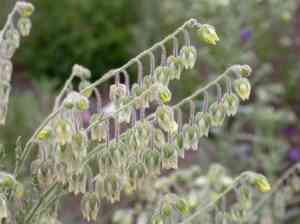
A primary decision for any gardener designing their landscape involves selecting appropriate plants. Whispering bells stands out as an excellent choice for several compelling reasons. It's not only visually appealing but also flourishes in diverse climates, making it adaptable to various settings. Its delicate, bell-shaped blossoms can add elegance and charm to any garden. Furthermore, Whispering bells requires relatively little upkeep, needing minimal effort to stay healthy and vibrant. Its resistance to common pests and diseases further enhances its appeal, ensuring your garden remains beautiful with less maintenance.
Selecting the Ideal Location for Whispering bells in Your Landscape
When planning where to position Whispering bells in your garden, placement is crucial. This plant thrives in areas with well-drained soil and ample sunlight. A sunny spot in your garden will promote the best flowering. Additionally, considering your garden's aesthetic layout can make a significant difference. Placing Whispering bells near garden paths, patios, or entryways can highlight its beauty and ensure it's an inviting focal point. To maximize this plant's characteristics, consider layers and groupings with varying heights and colors to create a dynamic visual experience.
What to Plant Alongside Whispering bells?
Creating a harmonious garden involves selecting companion plants that will flourish alongside Whispering bells. Consider plants that bloom in contrasting or complementary colors to create a visually appealing garden. For instance, pairing Whispering bells with perennials like lavender or yarrow can emphasize its delicate blooms while adding varied textures and hues to your landscape. You might also want to plant grasses or other ground covers that fill out garden beds, adding depth and richness to the overall design. By mixing and matching different plant types, you can create a garden that is both beautiful and ecologically balanced.
Designing with Whispering bells: Tips and Techniques
Creating Color and Texture Contrasts with Whispering bells
One of the most effective ways to use Whispering bells in your landscape design is by focusing on color and texture contrasts. Its gentle, bell-shaped flowers can juxtapose beautifully with plants that have bolder, more robust structures. For instance, placing Whispering bells next to plants with large, leafy foliage can make its delicate blooms stand out. Additionally, think about colorsâplan strategically by pairing Whispering bells with flowers that offer contrasting hues to create a vivid tapestry in your garden. This thoughtful arrangement can enhance the visual interest and make your landscape more captivating.
Incorporating Whispering bells into Various Garden Styles
Whispering bells is versatile and can fit beautifully into a variety of garden styles. Whether you are aiming for a contemporary, modern garden or a traditional cottage-style landscape, Whispering bells can complement and enhance your design. In xeriscaped or drought-tolerant gardens, Whispering bells's ability to thrive in well-drained soil and sunny conditions makes it a perfect fit. For a more formal garden layout, use Whispering bells in neat, structured borders or as focal points within geometric designs. Its adaptability allows it to blend seamlessly into diverse styles, making it a valuable addition to any gardener's palette.
Maintenance Tips for Keeping Whispering bells Thriving
While Whispering bells is relatively low-maintenance, there are a few key practices to ensure it remains healthy and vibrant. Regular watering is crucial, particularly during dry spells, but be cautious of overwatering as this plant prefers well-drained soil. Pruning dead or spent flowers can encourage new growth and help maintain a neat appearance. Additionally, mulching around the base can help retain moisture and suppress weeds, providing a better environment for growth. By following these simple maintenance tips, you can enjoy the beauty of Whispering bells in your garden with minimal effort.
Seasonal Considerations for Whispering bells
Best Times to Plant Whispering bells for Optimal Growth
Timing is crucial when planting Whispering bells to ensure optimal growth. The ideal planting time is in the early spring or fall when the soil is workable and the temperatures are mild. Planting during these periods allows the roots to establish themselves before the more extreme temperatures of summer or winter. By planning your planting schedule around these optimal times, you can set Whispering bells up for a successful growing season and ensure it thrives in your garden.
Preparing Whispering bells for Changing Seasons
As the seasons change, so do the needs of Whispering bells. In the summer, ensure the plant gets enough water, especially during dry periods. In the fall, consider adding some fertilizer to give it a nutrient boost before the colder months. During winter, mulching around the base can help protect the roots from freezing temperatures. By preparing Whispering bells for each seasonâs unique challenges, you can help it remain healthy and robust year-round.
Common Challenges and Solutions
Dealing with Pests and Diseases Affecting Whispering bells
Like all plants, Whispering bells can occasionally fall victim to pests and diseases. Common pests might include aphids or caterpillars, which can be managed with natural predators like ladybugs or by using organic insecticidal soap. Fungal diseases may also occur, especially in overly wet conditions. Ensuring proper spacing between plants and good air circulation can reduce the risk of fungal problems. Regularly inspecting your plants and addressing any issues promptly can prevent minor problems from becoming major headaches.
How to Handle Environmental Stress on Whispering bells
Environmental stress, such as extreme temperatures or poor soil conditions, can affect Whispering bells's health. Providing adequate water during droughts and using mulch to regulate soil temperature can help alleviate some of this stress. If your garden soil is less than ideal, consider amending it with compost or organic material to improve its structure and fertility. Being proactive in creating a supportive environment will help Whispering bells withstand and thrive despite environmental challenges.



