How Much Sunlight Do Whispering bells Need?
1
Whispering bells flourishes optimally in bright sun, receiving more than 6 hours of direct light each day.
2
It can endure some partial sun, though this might lead to less robust development.
3
Inadequate light exposure may cause reduced blooming and a decline in plant vitality.
Optimal Light Conditions for Whispering bells
Full Sun Exposure
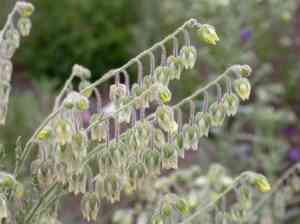
For peak development, Whispering bells thrives in complete sunlight. This means it needs at least six hours of direct solar illumination daily. Full sun conditions allow the plant to develop strong foliage and abundant blooms, creating a stunning display in your garden. If you position Whispering bells in an area with continuous morning to midday sun, you will observe the best outcomes. This plant loves bright, unfiltered light and will reward you with its delicate, bell-shaped flowers when provided these circumstances.
Partial Sunlight Scenarios
Whispering bells can adapt to partial sunlight, where it receives 3-6 hours of direct solar exposure, typically in the morning or late afternoon. While the plant can endure these conditions, it might not flower as profusely as in full sun. In partial sun conditions, you will notice a more moderate growth rate. This option is suitable for gardens with some shade or in regions where intense afternoon sun might be too harsh.
Insufficient Sunlight
If Whispering bells gets less than 3 hours of sunlight, it falls into the category of inadequate light. In such situations, you will observe weaker stems, fewer blossoms, and a paler leaf color. Insufficient sunlight can significantly impact the overall health and appearance of the plant. Always aim to plant Whispering bells in the sunniest available spot to prevent these potential problems.
Impact of Sunlight on Whispering bells
Growth and Blooming
Sunlight plays a vital role in the growth and flowering of Whispering bells. With sufficient solar exposure, the plant will produce numerous vibrant blooms and maintain a robust structure. Full sun conditions help to stimulate photosynthesis, leading to more energy production and thus, a healthier and more productive plant. If the plant receives ample sunlight during its active growing season, you can anticipate a spectacular floral display.
Leaf Color and Health
The health of the leaves on Whispering bells is greatly influenced by its sunlight exposure. In full sun, the leaves will develop a rich, vivid green hue, while in shaded or insufficient light conditions, the leaves may appear pale and lifeless. Consistent sunlight boosts chlorophyll production, which is essential for the plant's vigorous and healthy growth. Ensure your Whispering bells has plenty of direct sunlight to maintain its vibrant foliage.
Pest and Disease Resistance
Proper sunlight exposure can also enhance Whispering bells' resilience to pests and diseases. Plants that grow in full sun typically possess stronger immune systems and are less prone to fungal infections and pest infestations. Sunlight helps to keep the foliage dry and reduces the likelihood of mold and mildew, which thrive in damp, shady environments. Thus, positioning your Whispering bells plant in a sunny area not only promotes growth but also significantly lowers the risk of health issues.
Best Practices for Providing Sunlight to Whispering bells
Site Selection
Choosing the correct location for planting Whispering bells is essential for ensuring adequate sun exposure. Select a spot in your garden where the plant will receive uninterrupted sunlight for most of the day. South-facing areas are ideal in the Northern Hemisphere. Avoid planting it too close to taller plants or structures that may cast shadows during peak sunlight hours. Proper site selection will establish the foundation for the plant's health and vitality.
Using Reflective Materials
You can maximize sunlight exposure for Whispering bells by utilizing reflective materials around the garden. Placing white stones or reflective mulch around the base of the plant can help redirect light onto the lower leaves that might otherwise be shaded. This technique can be particularly useful in gardens with limited sun exposure and can help ensure that every part of the plant receives its share of sunlight.
Monitoring and Adjusting
Regular observation of your plant's sunlight exposure is crucial. Keep an eye on how the light changes with the seasons and be prepared to modify the plant's location if necessary. In case of sudden alterations in the garden environment, like the growth of surrounding trees or plants, you might need to reposition the plant to maintain its sunlight requirements. Regular checks will help you ensure that Whispering bells continues to flourish.
Common Mistakes to Avoid
Overexposure to Direct Sunlight
While Whispering bells thrives in full sun, extremely intense, day-long sunlight in arid climates can sometimes stress the plant. This can lead to leaf scorching or dehydration. If you reside in a very hot region, providing some afternoon shade or ensuring the plant is well-watered can prevent these issues.
Ignoring Seasonal Changes
Failing to account for seasonal variations in sunlight can impede the growth of Whispering bells. During the winter or in regions with significant seasonal shifts, ensure that the plant continues to receive sufficient sunlight. This may involve relocating pots or ensuring garden planners consider seasonal sun patterns.
Improper Positioning
Another common error is planting Whispering bells in a spot where it will be overshadowed by larger plants or structures. Always position it in an open area where it can enjoy uninterrupted sunlight. Avoid placing it in areas with heavy foot traffic that might result in accidental damage or soil compaction around it.



