How to Transplant Pale bugloss?
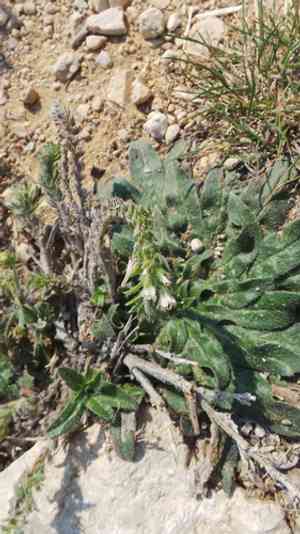
The most favorable period for relocating pale bugloss extends from the middle of spring to the beginning of summer, leveraging the temperate weather. Select a bright spot with soil that drains effectively. When transplanting mature specimens, guarantee minimal disruption to their root systems for optimal outcomes.
Essential Preparations Before Relocating Pale Bugloss
Optimal Timing for Moving Pale Bugloss?
Moving pale bugloss between mid and late spring aligns with its natural growth rhythm, promoting vigorous development. This period allows delicate roots to settle in warmer soil, boosting resilience and flowering potential. Choose this window for a garden adorned with pale bugloss's characteristic vitality and charm.
Recommended Spacing Between Pale Bugloss Plants?
When preparing a new spot for pale bugloss, ensure adequate room! Position them roughly 12-18 inches (30-45 cm) apart. This spacing enables each plant to expand its foliage and thrive without competing for nutrients or sunlight.
Ideal Soil Blend for Pale Bugloss Relocation?
Before settling pale bugloss into its new bed, confirm the soil is well-drained and fertile. Incorporating a standard, all-purpose base fertilizer into the top layer will provide pale bugloss with an excellent nutritional boost for a strong start!
Selecting a New Location for Your Pale Bugloss?
Pale bugloss enjoys soaking up the sun, so choose a site that receives ample direct sunlight. It's like a sunny vacation for them! A location receiving at least 6 to 8 hours of direct sun daily will keep your pale bugloss happy and flourishing.
Tools Required Before Transplanting Pale Bugloss
Gardening Gloves
To safeguard your hands while handling soil and plants.
Spade or Shovel
For excavating the pale bugloss plant and preparing a hole in its new spot.
Watering Can or Hose
To hydrate the pale bugloss before and after its relocation.
Garden Fork
To loosen the soil surrounding the pale bugloss's root system.
Pruning Shears
For trimming any damaged roots or foliage.
Wheelbarrow or Tarp
To move the pale bugloss from its original position to the new site.
Mulch
To apply around the pale bugloss post-transplant to retain moisture and suppress weeds.
How to Extract Pale Bugloss from the Soil?
How to Extract Pale Bugloss from the Soil?
From Ground: Hydrate the pale bugloss plant to moisten the soil. Dig a wide trench around the plant using a shovel or spade, ensuring the root ball remains intact. Carefully slide the spade beneath the root ball to lift the pale bugloss from the ground.From Pot: Saturate the soil in the pot to facilitate easier removal of the pale bugloss. Gently tilt the pot sideways and tap the bottom to help dislodge the plant. Pull the pale bugloss out by the base of its stems, not the leaves, to prevent damage.From Seedling Tray: Dampen the soil in the tray before extracting the pale bugloss. Use a garden fork or a spoon to gently lift the seedling by its root ball, minimizing root disturbance.
Step-by-Step Guide for Relocating Pale Bugloss
Hole Preparation
Excavate a hole in the new location twice the width of the pale bugloss's root ball and of equal depth to allow ample room for root expansion.
Root Inspection
Examine the pale bugloss's root ball for any indications of disease or damage and trim as needed with pruning shears.
Placement
Position the pale bugloss in the center of the hole. The top of the root ball should be level with the surrounding soil surface.
Fill In
Backfill the hole with soil, gently compacting it around the pale bugloss's root ball to eliminate air pockets.
Watering
Water the pale bugloss generously after planting to help settle the soil and hydrate the roots.
Mulching
Apply a layer of mulch around the base of the pale bugloss, keeping it away from the stems, to conserve moisture and deter weeds.
Post-Transplant Care for Pale Bugloss
Watering
Maintain consistent soil moisture for the pale bugloss by watering every other day for the initial two weeks, then decrease frequency as the plant establishes.
Mulching
Replenish the mulch as necessary to maintain a consistent depth for ongoing weed suppression and moisture retention.
Pruning
Trim any dead or damaged foliage to encourage healthy new growth on the pale bugloss.
Support
If the pale bugloss is tall or in a windy area, consider staking or providing other support to prevent it from toppling.
Monitoring
Watch for signs of stress such as wilting or discolored leaves, which may indicate issues like pests, diseases, or improper watering.
Addressing Common Issues with Pale Bugloss Relocation.
When is the best time to move pale bugloss?
For optimal outcomes, transplant pale bugloss during the warmth of late spring, avoiding early season cold snaps.
How much space should I leave between pale bugloss when transplanting?
Allow each pale bugloss approximately 12-18 inches (30-45 cm) to ensure sufficient growth area and proper air circulation.
What soil conditions benefit pale bugloss after transplanting?
Plant pale bugloss in well-drained soil enriched with organic matter to encourage robust root establishment.
How much should I water pale bugloss after transplanting?
Initially, water pale bugloss liberally to help roots settle. Continue with moderate watering as it establishes.
Why are the leaves of relocated pale bugloss wilting?
Wilting after transplant is common due to root disturbance. Keep the soil moist and provide shade.
Should I fertilize pale bugloss immediately after transplanting?
Wait a few weeks before fertilizing pale bugloss to prevent burning tender, newly forming roots.
How to protect pale bugloss from transplant shock?
Minimize root disruption during transplant, water thoroughly, and shade pale bugloss for a few days to prevent shock.
Can pale bugloss be transplanted in full sun?
Pale bugloss thrives in full sun but may need partial shade immediately after transplanting to ease the transition.
What is pale bugloss's tolerance to cold after transplanting?
Pale bugloss is relatively hardy but protect it from frost after transplanting by using mulch or fleece.
How deep should the transplant hole be for pale bugloss?
The hole should be slightly larger than the root ball, maintaining pale bugloss's current depth to promote stability.



