How to Prune Pale bugloss?
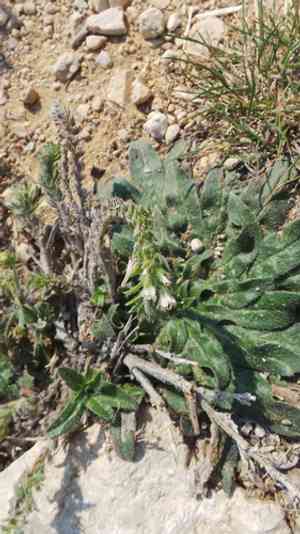
Perfectly suited for arid, warm regions, pale bugloss is distinguished by its towering flower spikes and elongated, pointed foliage. After flowering, remove faded blooms to stimulate further blossoming and preserve its form. In late winter or early spring, cut back any lifeless or frail stalks to foster robust development and improve air circulation. Consistent removal of spent flowers throughout its blooming period, from spring through autumn, can extend its flowering duration. Refrain from severe cutting, as this could diminish the following year's floral show.
What Are the Benefits of Pruning Pale Bugloss?
What Are the Benefits of Pruning Pale Bugloss?
Trimming pale bugloss promotes robust development and helps keep its preferred form. Regular cutting allows light and air to reach inner branches, fostering a healthier plant structure and preventing excessive growth.
What Is the Best Time for Pruning Pale Bugloss?
What Is the Best Time for Pruning Pale Bugloss?
Pruning pale bugloss in the Spring is optimal as it marks the start of the growing season, enabling the plant to recover from cuts and encouraging vigorous new growth. This timing also avoids the intense mid-summer heat, which can stress the plant when combined with pruning. Autumn is another suitable time for pruning pale bugloss, specifically after flowering has concluded. This allows the gardener to shape the plant and remove spent blooms without disrupting its natural flowering cycle. Pruning in the fall also prepares pale bugloss for dormancy and can reduce the plant's size to help it withstand winter weather. It is important to avoid pruning pale bugloss in winter when the plant is dormant, as this can lead to increased susceptibility to frost damage and disease. Summer pruning is not recommended for pale bugloss due to high temperatures, potential drought stress, and the risk of inhibiting the development of flower buds for the following season.
What Tools Do I Need to Prune Pale Bugloss?
Hand Pruners
Perfect for cutting stems and branches of pale bugloss up to 1/2 inch thick. Opt for bypass pruners for clean cuts on live wood, promoting healthy plant growth.
Pruning Shears
Useful for shaping pale bugloss and trimming back smaller stems or spent flowers. Precision blades allow for targeted cuts without damaging nearby foliage.
Gardening Gloves
Protect hands from thorns and the rough foliage of pale bugloss when pruning. Durable, good-fitting gloves provide a secure grip on tools.
Loppers
Recommended for reaching higher or deeper parts of pale bugloss and cutting thicker branches that hand pruners cannot handle (up to 1 1/2 inches thick).
Pruning Saw
For mature pale bugloss specimens with branches thicker than what loppers can manage. Use a pruning saw with teeth designed for green wood.
Garden Scissors
For detailed pruning of pale bugloss, such as deadheading or thinning soft growth. The short blades make it easy to navigate dense growth.
How to Prune Pale Bugloss
Sterilize
Sanitize all pruning tools before starting to prevent the spread of disease to or from pale bugloss.
Remove Diseased Parts
Carefully prune away any diseased leaves or branches from pale bugloss, making clean cuts to avoid tearing. Dispose of these parts to avoid contamination.
Trim Withered Leaves
Trim withered leaves around the base as close to the main stem as possible, to promote healthy growth and airflow.
Cut Dead Branches
Remove dead branches by making cuts at a 45-degree angle just above a bud or branching point to encourage new growth.
Healthy Growth
Prune interior branches lightly to maintain the desired shape and size of pale bugloss as well as to promote sunlight penetration and air circulation, which is essential for healthy growth.
Common Pruning Mistakes with Pale Bugloss
Over-Pruning
Removing too much growth from pale bugloss at once can stress the plant, inhibit flowering, or even result in death.
Cutting Into Old Wood
Older wood on pale bugloss might not produce new shoots readily. Pruning into this wood can leave unsightly gaps and may not rejuvenate the plant.
Shearing
Using shears to shape pale bugloss as though it were a hedge can result in uneven growth and reduced flowering, as this method doesn't account for the plant's natural structure.
Ignoring Dead Or Diseased Stems
Neglecting to remove dead or diseased material can hinder pale bugloss's vigor and aesthetics, and may lead to further health issues.
Pruning All Stems Equally
Pruning every stem to the same length disregards the plant's natural form and can lead to a less natural appearance.
Common Pruning Tips for Pale Bugloss
Selective Thinning
Remove select stems of pale bugloss to improve air circulation and light penetration. This encourages healthy growth and flowering.
Maintaining Plant Form
Prune to maintain the natural shape of pale bugloss, targeting leggy or overgrown stems while preserving the plant's structure.
Stimulating New Growth
Cutting back the previous year's growth on pale bugloss to a healthy set of buds can stimulate robust new growth and better blooms.
Clean Cuts
Ensure cuts are clean and made at an angle to prevent water accumulation and minimize disease risk. Use sharp, sanitized pruning tools.
Deadheading
Regularly remove spent flowers of pale bugloss to encourage continuous blooming and prevent the plant from putting energy into seed production.



