Enhancing Your Garden Design with the Pale bugloss Plant: A Landscaping Guide
1
Pale bugloss flourishes optimally in soil that drains well, being either sandy or loamy.
2
Although Pale bugloss can be a centerpiece, it also complements other plants that tolerate dry conditions.
3
Consistent trimming of Pale bugloss encourages more robust development and stops it from growing too tall and sparse.
Appreciating the Visual Appeal of Pale Bugloss
Aesthetic traits: hue, stature, and texture
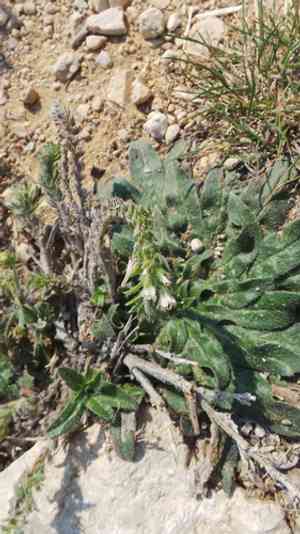
When incorporating Pale bugloss into your landscape design, its visual characteristics are a primary consideration. Pale bugloss typically presents a striking appearance due to its tall flower spikes and distinct texture. The bloom color varies from light blue to white, offering a subtle yet uplifting accent to your garden. Reaching heights of up to 2.5 feet, Pale bugloss adds vertical interest and depth to your plant arrangements. Furthermore, its slightly coarse leaves provide a contrasting texture, creating an engaging visual display.
Seasonal transformations and their effect on your garden's look
Pale bugloss offers seasonal adaptability, ensuring your garden remains vibrant throughout the year. In spring and early summer, its blossoms emerge, making it a beautiful focal point. As seasons progress, the foliage continues to offer ground cover and texture, even after the flowers have faded. This seasonal dynamic adds layers of interest, keeping your garden captivating year-round.
Companion plants that enhance Pale bugloss's allure
To truly highlight Pale bugloss, consider pairing it with complementary plants. Drought-resistant species such as lavender, salvia, and sage can create a harmonious and visually pleasing combination. These plants not only share similar water needs but also possess colors and textures that blend well, resulting in a cohesive and vibrant garden design.
Selecting the Ideal Spot for Pale Bugloss
Sunlight requirements and optimal planting locations
Choosing the correct placement for Pale bugloss in your garden is vital for its health and appearance. Pale bugloss thrives in full sun, needing at least six hours of direct sunlight daily. Select a site that provides ample sun to ensure vigorous growth and abundant flowering. Avoid shaded areas, as they can hinder its development and reduce bloom production.
Soil conditions and drainage considerations
Soil quality is another crucial factor for successful Pale bugloss cultivation. This plant prefers well-drained, sandy, or loamy soil. Proper drainage is essential to prevent root rot and other moisture-related problems. If your garden soil is heavy and clay-like, consider amending it with sand or organic matter to improve its texture and drainage capabilities.
Space requirements: How much room does Pale bugloss need to flourish?
Pale bugloss typically requires a good amount of space to spread and grow. When planting Pale bugloss, allow sufficient room for it to reach its full size without being overcrowded by other plants. Ideally, spacing each plant about 18 to 24 inches apart ensures adequate air circulation, which helps prevent disease and allows each plant to receive enough sunlight.
Integrating Pale Bugloss Into Your Existing Garden
Creating focal points with Pale bugloss in your garden design
An effective way to incorporate Pale bugloss into your garden is by using it as a focal point. Due to its height and distinctive flowers, Pale bugloss can attract attention and serve as a central element around which you can arrange the rest of your garden. Plant it in a prominent spot, perhaps surrounded by lower-growing plants, to emphasize its impressive stature.
Utilizing Pale bugloss to form borders or natural divisions
Pale bugloss is also highly effective when used to create borders or natural dividers in your garden. Its height and dense foliage make it an excellent choice for lining pathways, defining garden beds, or separating different areas of your garden. This approach can help create a structured and organized look while maintaining a natural aesthetic.
Combining Pale bugloss with hardscaping elements for a unified appearance
For a truly cohesive garden design, consider integrating Pale bugloss with hardscaping elements such as stone pathways, garden benches, or decorative rocks. The natural texture of Pale bugloss pairs beautifully with the ruggedness of stone or wood, creating a harmonious blend of natural and man-made beauty. This combination can enhance your garden's visual appeal while providing functional and attractive spaces.
Maintenance Advice for Pale Bugloss in Landscaping
Basic care: irrigation and pruning necessities
Maintaining Pale bugloss involves some fundamental yet essential tasks. While it is drought-tolerant, consistent watering during its initial growing season helps establish a robust root system. Once mature, reduce frequency to prevent overwatering. Pruning is also vital; removing spent or faded flowers encourages new growth and helps maintain a neat appearance.
Seasonal care tips: Preparing Pale bugloss for varying weather conditions
Seasonal care ensures Pale bugloss remains healthy throughout the year. In colder months, applying a layer of mulch can shield its roots from severe frosts. During hot summers, occasional deep watering can help it endure prolonged dry spells. These seasonal adjustments can significantly impact the plant's overall health and longevity.
Common pests and problems to monitor with Pale bugloss
While Pale bugloss is relatively resilient, it is not entirely immune to pest issues and diseases. Aphids and spider mites are common pests that can harm this plant. Regularly inspect foliage and flowers for any signs of infestation. Using neem oil or insecticidal soap can often mitigate these problems. Additionally, ensuring good air circulation around the plant can help prevent fungal diseases.



