How to Propagate Pale bugloss?
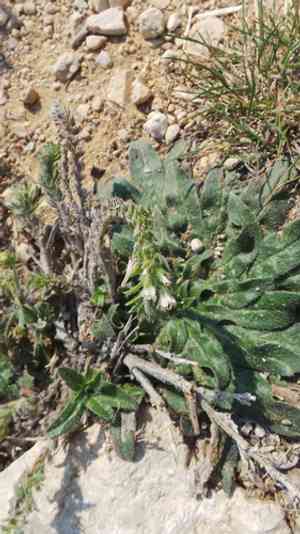
Derived from the Boraginaceae family, pale bugloss can be successfully multiplied by seeding. Cultivators should gather seeds once they ripen and dry following the blooming phase. Employ a potting blend that drains efficiently and position the seeds on the surface, lightly pressing them into the substrate, making sure they are not deeply covered, as illumination is necessary for sprouting. Maintain consistent soil moisture and offer a steady setting. Young plants require delicate handling during relocation to their permanent spot, given the delicate root structure of pale bugloss.
Optimal Period for Propagating Pale Bugloss
Propagation Method
Seeding
Propagation Period
Spring
Tools Required for Pale Bugloss Propagation
Seedling Tray
A seedling tray is crucial for initiating pale bugloss from seeds, which is the primary propagation technique. Its shallow compartments are perfect for maintaining the correct soil depth and moisture, vital for pale bugloss germination. Each cell can hold one or two seeds, providing optimal space and resources for initial development.
Growing Medium
Employing a well-draining growing medium that is light and rich in organic matter can significantly boost pale bugloss germination rates. This medium supplies essential nutrients and proper aeration, important for the delicate roots of young pale bugloss plants to establish themselves.
Spray Bottle
A spray bottle is utilized to gently moisten pale bugloss seeds and seedlings. It ensures the soil is damp but not saturated, which is crucial for seed germination without the risk of mold or fungal growth that can occur with heavier watering methods.
Supplemental Lighting
If propagating pale bugloss indoors or in areas with insufficient natural light, supplemental lighting can provide the necessary light spectrum to support healthy pale bugloss growth and development. This is especially important during early growth stages when light is critical for photosynthesis.
Warming Mat
A warming mat may be used to maintain a consistent soil temperature, particularly in colder climates or seasons. Pale bugloss seeds require specific warmth for effective germination, and a warming mat can help regulate temperature, ensuring a higher germination success rate.
How to Propagate Pale Bugloss
Propagation Difficulty
Simple
Post-Propagation Care for Pale Bugloss
Post-Propagation Care for Pale Bugloss
Once pale bugloss has been successfully propagated and seedlings are established, they require minimal attention. Position them in an area receiving full sun to partial shade. Water pale bugloss regularly, especially during dry spells, but avoid over-watering. Fertilization is not often needed, but applying a balanced fertilizer in spring can promote healthier growth. Maintain light weeding around pale bugloss to reduce nutrient competition. As a resilient plant, pale bugloss typically needs little protection from pests or diseases.
Common Errors to Avoid When Propagating Pale Bugloss
Excessive Watering
Too much water can lead to root rot and fungal issues, as pale bugloss prefers drier conditions.
Using poorly draining soil
Soil that retains too much water can negatively impact pale bugloss's root health, contributing to propagation failure.
Planting too deep
Seeds or cuttings placed too deeply may struggle to emerge or root, hindering potential pale bugloss growth.
Ignoring light needs
Insufficient light can result in leggy growth and weak propagation attempts because pale bugloss needs full sun to thrive.
Overcrowding plants
Placing seeds or cuttings too close together can reduce air circulation and lead to disease, negatively affecting pale bugloss's propagation success.
Advice for Propagating Pale Bugloss
Well-draining substrate
Utilize a well-draining soil mix to prevent waterlogging and encourage a robust root system for pale bugloss.
Appropriate depth
Plant seeds or insert cuttings at a shallow depth, ensuring they receive adequate light and air to sprout and root effectively.
Proper hydration
Water pale bugloss moderately to keep the soil moist but not waterlogged, supporting root development without risking decay.
Ample sunlight
Provide full sunlight for pale bugloss, facilitating vigorous growth and greater success in propagation.
Adequate spacing
Allow sufficient space between each seed or cutting to prevent disease spread and enable proper pale bugloss growth.



