The Pale bugloss Plant Advantage: Maximizing Home and Office Appeal and Wellness
1
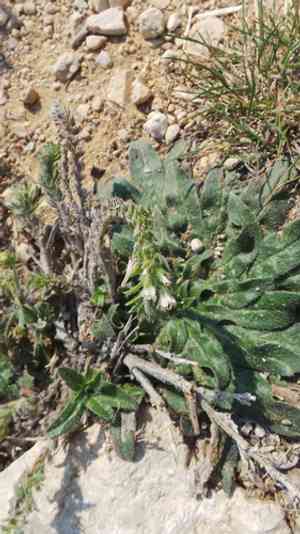
This botanical specimen is recognized for its ability to withstand dry conditions, making it an easy-care garden feature.
2
It draws in beneficial insects like bees and butterflies, thereby enriching your garden's ecological variety.
3
Pale bugloss finds application in traditional medicine and offers various advantages in cultivation.
Why Pale bugloss Merits a Place in Your Garden
Ecological Advantages
A key attribute of Pale bugloss is its capacity to draw in pollinators. Bees, butterflies, and other insects find its blossoms highly appealing, which can lead to a more vibrant and productive garden environment. This not only benefits individual plants but also fosters enhanced pollination across your entire garden, making every plant more fruitful and robust.
Minimal Upkeep
If you've ever struggled with plants demanding constant attention, Pale bugloss offers a welcome relief. Its drought resistance means it can flourish with little watering once established, making it an excellent option for busy gardeners or those in dry climates. Its hardiness also allows it to endure poor soil conditions, lessening the need for frequent soil improvements.
What Are the Practical Applications of Pale bugloss?
Natural Remedies
While we won't delve into specific medicinal applications, it's worth noting that Pale bugloss has been historically utilized in various natural remedies. This plant is often incorporated into homeopathic practices, providing homeowners with a natural alternative for diverse purposes.
Horticultural Benefits
Beyond its ecological contributions, Pale bugloss can enhance the physical structure of your garden. Its deep root system helps to stabilize soil and prevent erosion. The plant's foliage can also serve as a natural mulch, aiding in soil moisture retention and weed suppression. By integrating Pale bugloss into your garden, you are actively improving your garden's health and sustainability.
How to Cultivate and Care for Pale bugloss
Planting Recommendations
Pale bugloss prefers well-drained soil and a sunny spot. It's best to plant it in the spring once the soil has warmed. Space the plants appropriately to accommodate their growth, typically about 18-24 inches apart, to ensure they don't overcrowd each other as they mature.
Watering and Maintenance
While Pale bugloss is drought-tolerant once established, consistent watering is vital during its initial growth phase. Mulching around the base can help retain moisture. Once established, the plant requires minimal care but benefits from occasional deadheading to encourage new blooms and prevent self-seeding.
Can Pale bugloss Boost Biodiversity in Your Garden?
Attracting Pollinators
Pollinators play a crucial role in the health and productivity of your garden. By planting Pale bugloss, you create a habitat that supports the life cycle of essential insects like bees and butterflies. These pollinators not only help to fertilize Pale bugloss but also assist in the pollination of other garden plants, increasing your garden's overall yield.
Supporting Wildlife
Pale bugloss also serves as a food source for various wildlife. Birds and small mammals may feed on its seeds, offering an additional layer of biodiversity. By attracting a range of species, you foster a more balanced and thriving ecosystem within your garden.
Is Pale bugloss Suitable for Xeriscaping?
What is Xeriscaping?
Xeriscaping is a landscaping approach that focuses on water conservation through the creative and efficient use of drought-tolerant plants. This method is particularly valuable in areas experiencing water scarcity, making it an ideal choice for arid regions.
How Pale bugloss Integrates into Xeriscaping
Pale bugloss is an excellent candidate for xeriscaping due to its drought tolerance. It requires less water than many traditional garden plants, reducing your overall water consumption. Its ability to thrive in poor soil conditions also means you won't need to rely heavily on soil amendments or fertilizers, making it a sustainable choice for water-conscious gardening.



