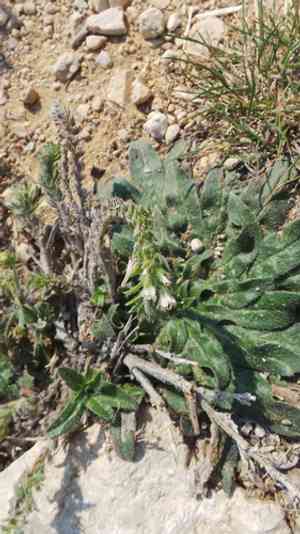
Pale bugloss (Echium italicum)
Also known as: Lady campbell weed
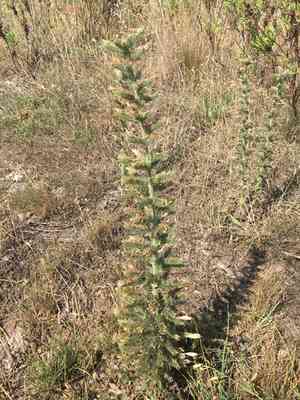
Echium italicum, commonly called Italian viper's bugloss, is a Mediterranean wildflower that blooms from spring to summer. Its fruit, which resembles a snake's head, gives it the distinctive name. This flower is often seen when other wildflowers have faded.
In This Article
Attributes of Pale bugloss
Lifespan
Biennial, Perennial
Plant Type
Herb
Plant Height
40 cm to 1 m
Spread
N/A
Leaf Color
Green
Flower Size
1-2 cm
Flower Color
Pink Blue
Images of Pale bugloss
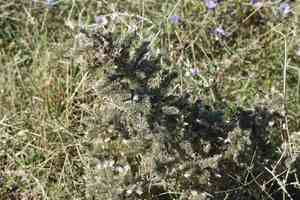
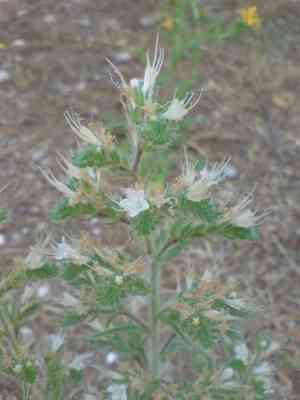
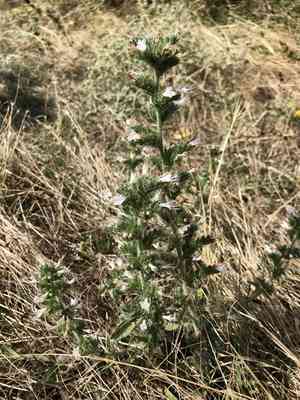
Quickly Identify Pale bugloss
1
Echium italicum can be identified by its tall, spiky inflorescence and hairy stems. The leaves are lanceolate, rough, and covered with stiff hairs. The flowers are densely packed on long, narrow spikes, and are typically pale blue or white.
Scientific Classification of Pale bugloss
Phylum
Vascular plants
Class
Dicotyledons
Order
Boraginales
Family
Borage
Genus
Viper's-buglosses
Species
Pale bugloss
Planting and Growing of Pale bugloss
Care Difficulty
Easy
Watering Schedule
Every 2 days
Sunlight Requirements
Full sun
Sunshine Duration
4-6 hours
Ideal Temperature
60-75℉
Soil Type
Potting Mix, Peat Mix
Soil pH
6.5-7.5
Fertilizer Type
Balanced
Pruning Season
Spring, Summer
Pruning Area
Branches, Leaves
Pruning Frequency
2 times a year
Repotting Season
Spring
Pot Type
Plastic, Ceramic
 How to Water Pale bugloss?
When watering Echium italicum, it's essential to soak the soil thoroughly without creating standing water. Ensure that each time you water, you use approximately 300 milliliters. This allows the water to penetrate deeply and reach the roots, preventing both dehydration and waterlogging.
What are the symptoms of an underwatered Pale bugloss?
›
What should I do if my Pale bugloss is not getting enough water?
›
What are the symptoms of an overwatered Pale bugloss?
›
How to save an overwatered Pale bugloss?
›
 What Are the Sunlight Requirements for Pale bugloss?
Echium italicum ideally suits full sun to partial sun environments. Adequate light encourages robust flowering and dense foliage, making it an attractive and lively addition to gardening spaces. Consistent sunlight ensures sturdy growth and continuous health.
More About Sunlight Requirements Techniques→
What is the ideal light intensity for Echium italicum?
›
How to achieve optimal lighting for Echium italicum indoors?
›
What are the benefits of ideal lighting for Echium italicum?
›
 What Is the Ideal Temperature Range for Pale bugloss?
The ideal temperature range for growing Echium italicum is between 60°F and 75°F. This range ensures the plant can photosynthesize efficiently, leading to strong growth and vibrant flowers. Maintaining a consistent temperature within this range helps in minimizing plant stress and maximizing blooming potential.
 What Soil is Best for Pale bugloss?
Echium italicum thrives in soils with excellent drainage. This plant does not tolerate waterlogged conditions, which can lead to root rot. Ensuring soil drains well promotes healthy root growth and prevents diseases. While not overly demanding in nutritional needs, Echium italicum appreciates a soil with a moderate level of nutrients. Nutrient-rich soils support vigorous growth and abundant flowering. Preferring a slightly alkaline pH, Echium italicum flourishes when the soil's pH is around 7.0. This pH range supports optimal nutrient uptake and overall plant health.
 How to Fertilize Pale bugloss?
Echium italicum, also known as Italian Viper's Bugloss, generally thrives with a moderate amount of fertilization. Excessive fertilizer can lead to lush foliage at the expense of blooms. Use a balanced fertilizer for best results. Typically, a standard dose that provides an adequate amount of nitrogen, phosphorus, and potassium will suffice. Avoid over-fertilizing, particularly with nitrogen-heavy formulas, to maintain its natural growth habit.
 How to Prune Pale bugloss?
Begin by inspecting the Echium italicum for any dead or damaged stems and branches, using clean, sharp pruning shears. Cut these back to healthy tissue or to the base of the plant, ensuring a clean cut to promote healing. Remove any undesirable parts to shape the plant as desired and to encourage fuller, more balanced growth. To encourage new growth, selectively trim some of the older or longer stems to a node or a main branch. This will redirect the plant's energy toward developing new shoots and can lead to a more compact and bushy plant structure.
More About Pruning Techniques→
 How to Propagate Pale bugloss plant?
1
Mix a well-draining soil comprising of potting soil and coarse sand in a 2:1 ratio. Fill seed trays with this mixture and lightly firm the surface to create an even planting area.
2
Scatter the Echium italicum seeds evenly across the prepared soil surface, then cover them lightly with a thin layer of soil. Ensure even coverage, as it aids in consistent germination.
3
After sowing, water gently to moisten the soil without disturbing the seeds. Maintain consistent moisture by watering when the soil surface begins to dry. Monitor for seedling emergence, which typically takes 2-3 weeks.
 How to Repot Pale bugloss plant?
1
Echium italicum should be repotted when its roots begin to tightly circle inside the pot, evident by stunted growth or roots coming out of drainage holes. This usually indicates that the plant has outgrown its current home and needs more space to flourish.
2
Select a pot that is 1-2 inches larger in diameter than the current one, with adequate drainage holes to prevent waterlogging. A pot too big can hold excess moisture, which may lead to root rot, so finding the right size is key to providing enough space without water retention issues.
3
A well-draining loam soil mix is ideal for Echium italicum, providing the perfect balance of moisture retention and drainage. This soil type helps prevent root rot by allowing excess water to flow away while retaining enough moisture to keep the plant hydrated.
Toxicity
Ingestion
WARNING
The judgment on toxicity and danger is for reference only. We DO NOT GUARANTEE any accuracy of such judgment. Therefore, you SHALL NOT rely on such judgment. It is IMPORTANT TO SEEK PROFESSIONAL ADVICE in advance when necessary.
Learn More About Pale bugloss Diseases
Anthracnose
Bacterial Leaf Spot
Bacterial Wilt
Crown Gall
Cyst Nematode
Damping-off
Downy Mildew
Drought Stress
Fusarium Wilt
Gray Mold
Leaf Spot
Mosaic
Nutrient Deficiency
Nutrient Toxicity
Powdery Mildew
Root Rot
Root-knot Nematode
Rusts
Sooty Mold
Spider Mites
Temperature Stress
Thrips Damage
White Mold



