How to Transplant Texas rainbow cactus?
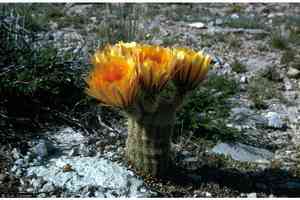
Springtime provides the ideal period for transplanting texas rainbow cactus, facilitating robust root development. Choose a brightly lit spot with superior water runoff, replicating its natural environment. Encouraging gradual adjustment, rather than abrupt changes, aids in successful integration.
What Preparations are Needed Before Transplanting Texas Rainbow Cactus?
What is the Ideal Time for Transplanting Texas Rainbow Cactus?
The best time to move texas rainbow cactus is at the start of its active growth period, typically spring. This timing allows roots to strengthen before summer's heat. Relocating texas rainbow cactus during these milder months supports root establishment and overall plant vigor. This approach helps texas rainbow cactus thrive with robust growth, benefiting from the gentle climate's nurturing touch.
How Much Space Should You Leave Between Texas Rainbow Cactus Plants?
For texas rainbow cactus, ample spacing is crucial. Aim for 3-4 feet (approximately 1-1.2 meters) between each plant. This provides sufficient room for growth without competition for resources.
What is the Best Soil Mix for Texas Rainbow Cactus Transplanting?
Texas rainbow cactus requires soil that drains well. A good option is to blend sand with garden soil for the right texture. For initial fertilization, select a high-phosphorus product to encourage strong root development and enhance blooming.
Where Should You Relocate Your Texas Rainbow Cactus?
Remember, texas rainbow cactus thrives in full sun! Select a location that receives abundant sunlight throughout the day for a healthy, flourishing plant. Shaded areas are not suitable for texas rainbow cactus.
What Equipments Should You Prepare Before Transplantation Texas Rainbow Cactus?
Shovel or Garden Spade
To excavate a hole for the texas rainbow cactus and to lift the root ball from its current spot.
Gardening Gloves
To safeguard your hands while handling the cactus and working with soil.
Plant Pot (if transplanting from a seedling tray or another pot)
To hold the texas rainbow cactus before placing it in its new permanent location.
Garden Hose or Watering Can
To provide water to the cactus both before and after its relocation.
Garden Fork (if removing from garden ground)
To gently loosen the soil around the roots, minimizing damage.
Pruning Shears (optional)
To trim away any damaged or decayed sections of the texas rainbow cactus.
How Do You Remove Texas Rainbow Cactus from the Soil?
How Do You Remove Texas Rainbow Cactus from the Soil?
From Ground: Start by thoroughly watering the texas rainbow cactus to soften the soil, making it easier to work with. Once the soil is moist, use a garden fork to carefully loosen the earth around the plant. Next, with a spade, dig a circle around the cactus base, being careful not to cut any roots. Continue digging until you can get beneath the root ball and lift the texas rainbow cactus from the ground. Gently shake off excess soil and trim any damaged roots.From Pot: If the texas rainbow cactus is in a pot, water it well beforehand. Invert the pot and gently shake the texas rainbow cactus out, ensuring you support it as it comes free. If it doesn't slide out easily, you might need to tap the pot lightly to dislodge it.From Seedling Tray: If the texas rainbow cactus is in a seedling tray, begin by watering the tray so the soil is moist but not waterlogged. Afterward, push up from the bottom of each cell to carefully release the texas rainbow cactus.
Step-by-Step Guide for Transplanting Texas Rainbow Cactus
Inspecting the Plant
Examine the texas rainbow cactus for any indications of disease or pests. Remove any affected areas or treat for pests if necessary.
Prepare the New Site
Dig a hole at the new location that is twice the width and the same depth as the texas rainbow cactus's root ball.
Placement
Position the texas rainbow cactus in the center of the hole. The top of the root ball should be level with the surrounding ground. Adjust the soil at the bottom of the hole if needed to achieve this.
Backfilling
Refill the hole with the soil previously removed. Gently firm the soil around the base to support the texas rainbow cactus and eliminate any air pockets.
Watering
Water the texas rainbow cactus thoroughly after transplanting to help settle the surrounding soil.
How Do You Care For Texas Rainbow Cactus After Transplanting?
Watering
Pay close attention to the texas rainbow cactus's moisture needs during the initial weeks post-transplant. Keep the soil slightly damp but avoid overwatering. After this period, water as appropriate for the specific requirements of the texas rainbow cactus.
Checking for Signs of Stress
Monitor the texas rainbow cactus for any indications of transplant shock, such as wilting or discoloration. If these symptoms persist, consider using a shade cloth for temporary protection until the texas rainbow cactus has recovered.
Regular Inspection
Periodically inspect the texas rainbow cactus for pests or diseases. Remember, texas rainbow cactus can be vulnerable to attack, especially when establishing in a new spot.
Troubleshooting Common Issues with Texas Rainbow Cactus Transplantation.
When is the best time to transplant texas rainbow cactus?
The optimal time to transplant texas rainbow cactus is from spring to early summer (S1 - S3). This period allows the plant to best adapt to a new environment.
What space should I keep between each texas rainbow cactus during the transplanting process?
For ideal growth, maintain a distance of approximately 3-4 feet (0.91 - 1.22 meters) between each texas rainbow cactus. This provides ample room for each plant to develop.
How deep should I plant texas rainbow cactus when transplanting?
When transplanting texas rainbow cactus, ensure the roots are fully covered with soil, but the plant's body should remain above ground to prevent rot.
Is it okay to transplant texas rainbow cactus in direct sunlight or should I consider shady spots?
Texas rainbow cactus thrives in sunlight. Choose a location that receives direct sunlight for at least 6 hours daily. This plant is not suited for heavy shade or entirely indoor settings.
What type of soil is recommended for transplanting texas rainbow cactus?
Texas rainbow cactus prefers well-draining soil, such as a cactus mix or sandy soil. This helps prevent waterlogging and root rot.
What precautions should I take while removing texas rainbow cactus for transplantation?
When removing texas rainbow cactus from its current spot, be gentle. Avoid damaging the roots and try to keep as much of the original soil attached as possible.
How frequently should I water texas rainbow cactus after transplanting?
Water texas rainbow cactus immediately after transplanting, then allow the soil to dry out before the next watering. Excessive watering can lead to root rot.
How soon can I expect texas rainbow cactus to acclimate after being transplanted?
Texas rainbow cactus typically takes about 2-3 weeks to adjust to its new surroundings. New growth indicates successful transplantation.
What should I do if I notice wilting or discoloration in texas rainbow cactus after transplanting?
Wilting or discoloration may signal stress or disease. Check for inconsistencies in light, water, and soil composition. Correct these as needed and seek expert advice if conditions persist.
Can I transplant texas rainbow cactus in containers?
Yes, texas rainbow cactus can be transplanted into pots or containers. Ensure the container has adequate drainage to prevent waterlogging and root rot.



