How to Propagate Texas rainbow cactus?
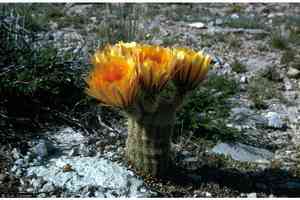
The Texas rainbow cactus, recognized for its striking, vibrant spines and blossoms, necessitates specific conditions for effective propagation. Seed dispersal should occur in a sandy, well-draining substrate to avert problems associated with excessive dampness. A thin layer of soil should gently cover the seeds, ensuring a proper balance of humidity and warmth to stimulate sprouting. Consistent observation is vital, as this cactus variety demands sufficient illumination and hydration for robust growth, though it is imperative to prevent excessive watering.
What Is the Best Time To Propagate Texas Rainbow Cactus?
Propagation Type
Seeding
Propagation Season
Spring
What Tools Are Used in Texas Rainbow Cactus Propagation?
Seed trays
Seed trays are vital for initiating texas rainbow cactus from seeds. They facilitate organized planting and offer ample room for initial development. Trays with drainage holes are especially beneficial for allowing excess water to escape, preventing root decay and fostering a healthier start for young plants.
Cactus soil mix
A specialized cactus soil mix is essential for texas rainbow cactus as it replicates their natural sandy, well-draining environment. This soil type ensures rapid water drainage, reducing the risk of moisture-related problems like root rot, which is crucial for successful germination and growth of cactus seedlings.
Misting bottle
A misting bottle is employed to gently moisten texas rainbow cactus seeds without disturbing them. Unlike standard watering methods, misting provides the necessary moisture for germination while preventing soil erosion and seed displacement, which can occur with heavier watering.
Heat mat
A heat mat promotes successful germination by maintaining a consistent and appropriate temperature, particularly in cooler climates or during colder months. Texas rainbow cactus seeds benefit from warmth, which accelerates germination and supports healthy early growth stages.
Grow lights
Grow lights are advantageous if natural sunlight is insufficient. They provide the necessary light spectrum that mimics natural solar conditions, promoting improved growth and germination in texas rainbow cactus. This tool is especially important in areas with limited direct sunlight.
How to Propagate Texas Rainbow Cactus?
Propagation Type
Simple
How to Care for Your Newly Propagated Texas Rainbow Cactus?
How to Care for Your Newly Propagated Texas Rainbow Cactus?
Once texas rainbow cactus seedlings have germinated and established, gradually introduce them to the direct sunlight they will ultimately thrive in. Regular watering should be carefully monitored; the soil must completely dry out between waterings to prevent root rot. Fertilizing is generally not required, but a diluted cactus fertilizer solution can be applied annually if desired.
Common Mistakes to Avoid When Propagating Texas Rainbow Cactus
Overwatering
Excessive watering can lead to root rot, as texas rainbow cactus is adapted to dry conditions and its roots are particularly vulnerable to too much moisture.
Using Non-Draining Pots
Pots lacking drainage holes trap water, exacerbating the risk of root rot for texas rainbow cactus, which requires a well-drained growing medium.
Incorrect Soil Mix
Using a non-porous or rich soil mix can retain too much moisture and fail to provide the aeration that texas rainbow cactus roots need, leading to poor growth or root disease.
Inadequate Light
Texas rainbow cactus requires ample light to flourish. Without sufficient lighting, texas rainbow cactus may become etiolated (stretched and weak) as it seeks light.
Improper Cut Taking
Incorrectly taking cuttings or damaging the parent plant can introduce pathogens and cause harm to texas rainbow cactus, jeopardizing the health of both the cutting and the parent plant.
Neglecting Temperature Requirements
Texas rainbow cactus is sensitive to cold and must be propagated in conditions that mimic its native warm climate to prevent stress and promote rooting.
Tips For Propagating Texas Rainbow Cactus
Right Soil Mix
Utilize a gritty, porous soil mix specifically formulated for cacti to ensure proper drainage and replicate texas rainbow cactus's natural habitat.
Optimal Watering Practices
Water texas rainbow cactus sparingly, allowing the soil to completely dry out between waterings to avoid root rot and other moisture-related issues.
Provide Plenty of Light
Ensure texas rainbow cactus receives abundant bright light, though not direct midday sunlight, which could scorch its sensitive skin, to maintain healthy growth.
Use Clean Tools
Always use sterilized tools when taking cuttings to prevent the introduction of diseases to texas rainbow cactus.
Allow Cuttings to Callous
Before planting, allow the cut end to form a callus, which usually takes a few days, to prevent rot when it is placed in soil.
Gradual Acclimatization
Acclimatize texas rainbow cactus to outdoor conditions gradually if it has been grown indoors to prevent shock and to adjust to stronger light levels without damage.



