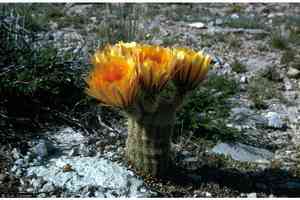
Texas rainbow cactus (Echinocereus dasyacanthus)
Also known as: Texas rainbow hedgehog
The cactus you're referring to is the Texas Rainbow Cactus (Echinocereus dasyacanthus). This single-stemmed cactus reaches a height of 15 to 20 cm and boasts a spectrum of colorful spines along with large, vibrant yellow flowers that bloom in the spring. It thrives in full sun and well-drained soil, making it an excellent attractant for hummingbirds and bees. Additionally, it is resistant to deer and rabbits, making it a superb choice for rock gardens or container plantings.
In This Article
Attributes of Texas rainbow cactus
Lifespan
Perennial
Plant Type
Shrub
Plant Height
30 cm
Spread
10 cm
Leaf Color
Green (note: cacti have spines instead of leaves)
Flower Size
8 cm to 15 cm
Flower Color
Yellow Pink Purple Red
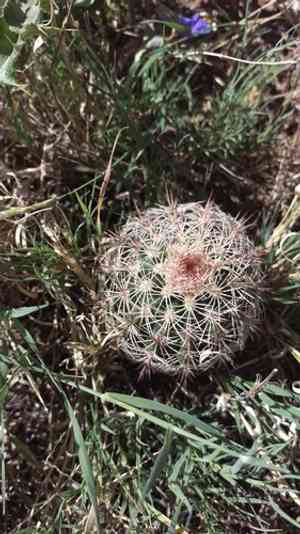
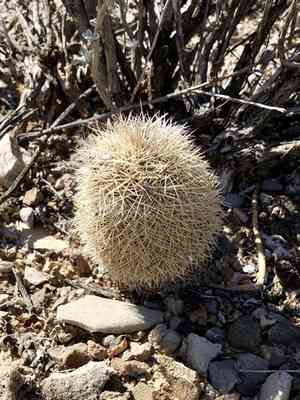
Images of Texas rainbow cactus


Quickly Identify Texas rainbow cactus
1
This cactus can be identified by its cylindrical, ribbed stems covered with dense, yellowish spines. The large flowers, which can range in color from yellow to pink with a gradient, are another distinct characteristic.
Scientific Classification of Texas rainbow cactus
Phylum
Vascular plants
Class
Dicotyledons
Order
Caryophyllales
Family
Cactuses
Genus
Hedgehog cactus
Species
Texas rainbow cactus
Planting and Growing of Texas rainbow cactus
Care Difficulty
Easy
Watering Schedule
Every 2 days
Sunlight Requirements
Full sun
Sunshine Duration
4-6 hours
Ideal Temperature
65-85℉
Soil Type
Potting Mix, Peat Mix
Soil pH
6.5-7.5
Fertilizer Type
Balanced
Pruning Season
Spring, Summer
Pruning Area
Branches, Leaves
Pruning Frequency
2 times a year
Repotting Season
Spring
Pot Type
Plastic, Ceramic
 How to Water Texas rainbow cactus?
For Echinocereus dasyacanthus, watering should happen when the soil is completely dry. This cactus requires about 50 ml of water per session, just enough to moisten the soil without waterlogging it.
What are the symptoms of an underwatered Texas rainbow cactus?
›
What should I do if my Texas rainbow cactus is not getting enough water?
›
What are the symptoms of an overwatered Texas rainbow cactus?
›
How to save an overwatered Texas rainbow cactus?
›
 What Are the Sunlight Requirements for Texas rainbow cactus?
Ideal lighting conditions are full sun with partial sun flexibility, ensuring robust growth and vibrant flowering, while helping it mimic native habitat sun exposure.
More About Sunlight Requirements Techniques→
What type of sunlight does Echinocereus dasyacanthus prefer?
›
How can I provide ideal light conditions indoors?
›
Why is proper sunlight important for Echinocereus dasyacanthus?
›
 What Is the Ideal Temperature Range for Texas rainbow cactus?
Echinocereus dasyacanthus thrives best in temperatures ranging from 65°F to 85°F. This range provides a warm environment that mirrors its native habitat, promoting optimal growth and flowering. Consistent temperatures within this range support the cactus's metabolic processes, ensuring healthy development and resilience.
 What Soil is Best for Texas rainbow cactus?
Echinocereus dasyacanthus requires well-draining soil to mimic its natural desert habitat. This ensures excess water doesn't cause root rot, allowing the plant to thrive even with minimal water supply. This cactus thrives in nutrient-poor soils, requiring minimal fertilization, which prevents excessive growth and helps the plant maintain its structure and resilience. Loose and aerated soil is beneficial for Echinocereus dasyacanthus, promoting better root growth and allowing roots to absorb moisture and nutrients effectively.
 How to Fertilize Texas rainbow cactus?
For Echinocereus dasyacanthus, it's crucial not to over-fertilize. Use a balanced liquid cactus fertilizer at half strength. Each application requires about one teaspoon of the diluted solution per plant. Solid fertilizers should be light; a scant tablespoon per cactus is sufficient.
 How to Prune Texas rainbow cactus?
Look for dead, damaged, or abnormally growing stems. These parts can hinder the growth and overall appearance of your cactus if not removed. Carefully cut away the identified parts without harming the main body of the cactus. Be gentle to avoid damaging the plant’s structure. After pruning, keep an eye on your cactus for any signs of stress or disease. Monitor water levels and light exposure to ensure it thrives post-pruning.
 How to Propagate Texas rainbow cactus plant?
1
Collect or purchase viable seeds and sow them in a well-draining cactus mix. Keep the soil lightly moist and provide bright but indirect sunlight for optimal germination.
2
Use a sterile knife to take a healthy cutting from the parent plant. Allow the cut end to callus over for a few days before planting it in a suitable growing medium.
3
Carefully separate the offsets from the main plant, ensuring each division has adequate roots. Plant the divisions in individual pots filled with cactus mix, and water sparingly.
 How to Repot Texas rainbow cactus plant?
1
Echinocereus dasyacanthus typically needs repotting when roots become visible at the drainage holes or when growth seems stunted. Spring through early summer is ideal as it coincides with the growing season, allowing the plant to recover and establish itself in its new pot with vigor.
2
Choose a pot that is slightly larger than the current one, with sufficient drainage holes. Clay or terracotta pots are preferable as they allow better air circulation and moisture control, reducing potential root rot issues and ensuring the desert cactus thrives in an environment closer to its natural habitat.
3
A well-draining, gritty mix specifically formulated for cacti and succulents, typically comprising potting soil, perlite, and coarse sand, is essential. Such a mixture mimics its natural environment, preventing water retention and fostering healthy root development.



