Enhancing Your Garden Design with the Texas rainbow cactus Plant: A Landscaping Guide
1
The Texas rainbow cactus is recognized for its distinct look and vivid hues.
2
It tolerates dry conditions well and needs little upkeep.
3
This cactus variety can draw in native animals, bringing lively activity to your outdoor space.
Why Select Texas Rainbow Cactus for Your Outdoor Space?
Distinctive appearance and coloration
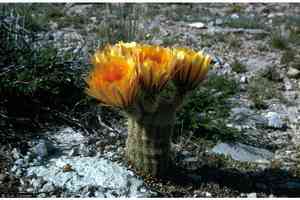
A primary reason to opt for Texas rainbow cactus in your landscape is its singular look and vivid hues. This plant exhibits a stunning spectrum of colors, often transitioning from yellow to orange to pink in delightful gradients. Such a unique aesthetic can establish striking focal points in your garden, making it a conversation starter for guests. Its spiky form adds texture and visual interest, ensuring your garden stands out year-round.
Drought tolerance and minimal upkeep
The Texas rainbow cactus is exceptionally well-suited for arid environments, making it an excellent choice for gardeners aiming for a sustainable, low-maintenance landscape. This plant flourishes in dry conditions where many other species would struggle. Its natural adaptation to drought means less frequent watering, conserving both your time and resources. This trait also makes it perfect for xeriscaping, a landscaping approach focused on water conservation using drought-resistant plants.
Attracting local wildlife
Incorporating Texas rainbow cactus into your garden can foster a more vibrant ecosystem by drawing in local wildlife. Its colorful blossoms are particularly appealing to pollinators like bees and butterflies, vital for environmental health. Furthermore, the plant offers shelter for small insects and animals, creating a lively, balanced habitat. By choosing this cactus, you not only enhance your garden's visual appeal but also support local wildlife and promote biodiversity.
Integrating Texas Rainbow Cactus into Various Garden Styles
Desert and xeriscape gardens
Texas rainbow cactus is a natural fit for desert gardens and xeriscapes due to its ability to thrive in dry, arid conditions. These landscaping styles often feature rocks, gravel, and sparse plantings, all perfectly complemented by the cactus's striking appearance. By including it, you can create a visually appealing garden that requires minimal water and maintenance, making it both beautiful and sustainable.
Contemporary and minimalist designs
Gardeners favoring contemporary and minimalist designs will find Texas rainbow cactus an ideal addition. Its sleek, structured form aligns well with the clean lines and uncluttered spaces characteristic of these styles. The cactus's vibrant colors provide dynamic pops of color without overwhelming the simple aesthetic. Whether in pots, raised beds, or as part of a larger layout, it can enhance the modern look of your outdoor area.
Adding contrast in traditional flower beds
For those who prefer traditional flower beds, Texas rainbow cactus can offer an unexpected contrast that enlivens the overall design. Its bold colors and unique texture create a striking counterpoint to the soft, delicate blooms typical of many garden flowers. Integrating it among your flowerbeds adds depth and interest, making your garden more visually stimulating. It also introduces an element of surprise, keeping the garden experience fresh and engaging for visitors.
Seasonal Considerations for Texas Rainbow Cactus in Your Landscape
Optimal planting periods
The best time to plant Texas rainbow cactus is during the mild weather of spring or early autumn. These seasons provide ideal temperatures and soil conditions for the plant to establish itself without the extreme stresses of summer heat or winter cold. Planting during these times also allows the cactus ample opportunity to acclimate to its new environment, promoting strong root development and overall plant health.
Seasonal growth and bloom cycles
Texas rainbow cactus typically enters its active growth phase in spring, continuing to develop through summer. Its vibrant blooms are most often seen from late spring to early summer, marking the peak of its display. During this period, you'll enjoy the full spectrum of its stunning colors. As fall approaches, the plant begins to prepare for dormancy, conserving energy for the next growth cycle.
Preparing Texas rainbow cactus for colder months
As winter nears, it's crucial to prepare Texas rainbow cactus for colder months to ensure its survival and health. In regions with significant temperature drops, you might need to provide extra protection, such as covering it with a frost cloth or moving potted specimens indoors. Reducing watering frequency during this time is also vital, as the plant needs much less moisture when dormant. These steps help the cactus endure winter and emerge strong when warmer weather returns.
Successful Pairings with Texas Rainbow Cactus
Complementary plants for color and texture
Pairing Texas rainbow cactus with other plants can create a rich tapestry of color and texture in your garden. Consider combining it with succulents or ornamental grasses, which share similar water and light requirements. This not only enhances visual appeal but also ensures harmonious growth conditions. The blend of different shapes, sizes, and hues will create a dynamic and engaging landscape.
Creating focal points with Texas rainbow cactus
Texas rainbow cactus can serve as a stunning focal point in your garden design. Whether planted individually or in groups, its vibrant colors and unique structure draw the eye, making it an excellent centerpiece. Strategically placing it within your garden can help define spaces, create interest, and guide visitors through your landscape. This ensures it becomes a standout element in your garden's overall aesthetic.
Balancing aesthetics and ecological benefits
When designing your garden with Texas rainbow cactus, it's essential to balance aesthetics with ecological benefits. By pairing it with other native plants and pollinator-friendly species, you not only create a visually pleasing environment but also support local ecosystems. This combination can lead to a thriving, sustainable garden that looks beautiful and provides vital resources for wildlife. Balancing these aspects ensures your garden is both attractive and environmentally responsible.
Maintenance Tips for Texas Rainbow Cactus in Landscapes
Watering schedules tailored to Texas rainbow cactus
To maintain the health of Texas rainbow cactus, it's important to follow a watering regimen suited to its needs. During its active growth season, water it thoroughly but infrequently, allowing the soil to dry out completely between waterings. This mimics its native habitat's natural conditions and helps prevent root rot. In winter, significantly reduce watering, as the plant will be dormant and requires much less moisture.
Soil and nutrient requirements
Texas rainbow cactus thrives in well-draining soil that mimics the sandy or gravelly conditions of its native environment. You can achieve this by mixing standard potting soil with sand or perlite to enhance drainage. Regarding nutrients, it typically requires minimal fertilization. However, a light application of a cactus-specific fertilizer in spring can support its growth and blooming cycles.
Pruning and seasonal care techniques
Pruning Texas rainbow cactus is generally minimal but may be necessary to remove any dead or damaged sections. Using sterilized tools, carefully prune away any affected areas to maintain the plant's health and appearance. Seasonal care also involves monitoring for pests and diseases, though it is relatively resistant. By staying vigilant and addressing issues promptly, you can ensure it remains a vibrant and healthy part of your landscape.



