The Texas rainbow cactus Plant Advantage: Maximizing Home and Office Appeal and Wellness
1
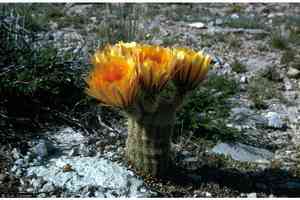
The Texas rainbow cactus flowers splendidly in springtime, enhancing any garden's appeal.
2
This cactus variety is simple to maintain and flourishes in dry environments.
3
Its distinct hues provide a remarkable aesthetic to outdoor settings.
Why Should You Consider Cultivating Texas Rainbow Cactus in Your Garden?
Visual Appeal
A primary draw for gardeners to the Texas rainbow cactus is its striking appearance. This plant produces magnificent blooms in a spectrum of hues, from soft pinks and fiery reds to gentle yellows and bold oranges. This multicolored display emerges in spring, transforming any garden space into a picturesque scene. The distinctive coloring of the Texas rainbow cactus ensures it stands out, making it an ideal focal point in rock gardens, xeriscapes, or even container arrangements. Furthermore, its cylindrical form and spiny texture add an extra layer of visual interest to any garden design.
Effortless Upkeep and Robustness
The Texas rainbow cactus is renowned for its durability and minimal care needs, making it perfect for gardeners of all skill levels. This cactus flourishes in arid and semi-arid environments, exhibiting remarkable drought resistance. Once established, the Texas rainbow cactus needs little irrigation and can survive on rainfall alone in many climates. Its hardiness makes it an excellent option for gardeners facing water restrictions or those seeking low-maintenance plants. By incorporating Texas rainbow cactus into your garden, you can enjoy a stunning landscape feature with minimal effort.
How Does Texas Rainbow Cactus Benefit the Local Ecosystem?
Pollinator Haven
The beautiful flowers of the Texas rainbow cactus are not merely for show; they play a crucial role in supporting local ecosystems. These vibrant blossoms attract a variety of pollinators, including bees, butterflies, and hummingbirds. By planting Texas rainbow cactus, you help provide a vital habitat and food source for these beneficial creatures. Pollinators are essential for the health of gardens and agricultural ecosystems, assisting in the reproduction of many plants. Consequently, the Texas rainbow cactus enhances biodiversity and supports the broader environmental well-being of your garden area.
Soil Stabilization
Beyond its role in supporting pollinators, the Texas rainbow cactus contributes to soil health. Its roots help stabilize the soil, preventing erosion in arid and semi-arid environments. This characteristic is particularly valuable for gardeners in regions prone to dry, windy conditions. By planting Texas rainbow cactus, you can help maintain the integrity of your garden soil, ensuring it remains fertile and capable of supporting various plant species. Soil stabilization provided by the Texas rainbow cactus can also lessen the impact of heavy rains, reducing the risk of harmful runoff.
What Are the Optimal Growing Conditions for Texas Rainbow Cactus?
Preferred Soil and Illumination
To successfully cultivate Texas rainbow cactus, it's vital to mimic its natural environment as closely as possible. This cactus prefers well-draining soil, such as sandy or rocky types, to prevent root rot. When planting Texas rainbow cactus, ensure the soil mixture is light and allows water to pass through quickly. It's also crucial to choose a sunny spot, as Texas rainbow cactus thrives in full sunlight. The plant can tolerate partial shade, but for optimal growth and flowering, at least six hours of direct sunlight daily is recommended. Proper soil and lighting conditions will ensure your Texas rainbow cactus remains healthy and vibrant.
Irrigation and Care Advice
While the Texas rainbow cactus is drought-tolerant, new plants require consistent watering until they develop strong root systems. Water thoroughly but infrequently, allowing the soil to completely dry out between waterings. Once established, the Texas rainbow cactus needs minimal watering and should not be overwatered, as this can lead to root rot. During winter, reduce watering to simulate the cactus's natural dormancy period. Additionally, consider applying a layer of mulch around the plant's base to retain moisture and shield the roots from extreme temperature fluctuations. These simple care practices will help ensure the longevity and health of your Texas rainbow cactus.



