How to Transplant Dwarf sundew?
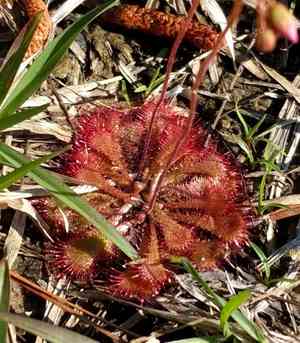
Relocate dwarf sundew during the revitalizing period spanning early to late spring, which is ideal for robust development. Select a location featuring damp, acidic substrate and partial sunlight. Careful manipulation during the transfer guarantees the fragile root system establishes itself without duress.
What Preparations are Needed Before Transplanting Dwarf Sundew?
What is the Ideal Time for Transplanting Dwarf Sundew?
The optimal period for relocating dwarf sundew is during its growth phase, from early spring to late spring, typically after the last frost. Moving dwarf sundew at this time leverages mild weather, allowing roots to establish without the stress of summer heat or winter cold, ensuring a strong start for the upcoming season.
How Much Space Should You Leave Between Dwarf Sundew Plants?
When planting dwarf sundew, aim to provide adequate room for each individual. Spacing them approximately 4-6 inches (10-15 cm) apart will suffice, giving them ample space to flourish and extend their small, light-seeking foliage.
What is the Best Soil Mix for Dwarf Sundew Transplanting?
Before introducing dwarf sundew to your garden, prepare the bed with well-draining soil; these plants prefer acidic to neutral conditions. Incorporate a light, peat-based mixture and a mild, all-purpose starter fertilizer to nourish their roots.
Where Should You Relocate Your Dwarf Sundew?
For dwarf sundew, select a location that receives abundant sunlight. They thrive in full to partial sun, so a bright area that gets several hours of light daily would be an excellent home for these sun-loving plants.
What Equipments Should You Prepare Before Transplantation Dwarf Sundew?
Gardening Gloves
To safeguard your hands while handling soil and plants.
Trowel
For excavating and moving the dwarf sundew from its current spot.
Watering Can
To hydrate the dwarf sundew before and after relocation.
Pruning Shears
To remove any dead or excess foliage that might stress the plant during transplant.
Measuring Tape
To ensure correct spacing between plants, if multiple are being planted.
Bucket or Container
To hold the dwarf sundew and its root system during the transplanting process.
How Do You Remove Dwarf Sundew from the Soil?
How Do You Remove Dwarf Sundew from the Soil?
From Ground: First, moisten the dwarf sundew to soften the soil, making it easier to manage. Carefully dig with a trowel in a circle around the plant, several inches from the base to avoid root damage. Gently lift the plant from the ground, keeping the root ball intact.From Pot: Water the dwarf sundew in its container to facilitate the transfer. Turn the pot sideways and gently tap or squeeze to loosen the soil. Grasp the plant's base and carefully slide it out, ensuring the soil around the roots remains undisturbed.From Seedling Tray: Dampen the soil in the tray for smoother removal. Use a trowel or your fingers to extract the dwarf sundew from its cell, taking care not to harm the delicate roots or stem.
Step-by-Step Guide for Transplanting Dwarf Sundew
Transplant Preparation
Prepare the new site for your dwarf sundew by digging a hole twice as wide as the root ball but no deeper. This allows roots to spread without burying the plant too low.
Root Ball Inspection
Before placing your dwarf sundew into the new hole, examine the root ball. Trim any dead or overly long roots with pruning shears to promote healthy growth.
Placing the Plant
Position the dwarf sundew in the center of the prepared hole. The top of the root ball should be level with the surrounding ground to aid proper root expansion and establishment.
Filling the Hole
Gently backfill the hole with the excavated soil. Lightly pat down to eliminate any large air pockets, which can dehydrate the roots.
Watering After Transplant
Generously water the dwarf sundew at its base to settle the soil around the roots and provide essential hydration for recovery from transplant stress.
How Do You Care For Dwarf Sundew After Transplanting?
Mulching
Apply a layer of mulch around the base of dwarf sundew to help retain moisture and regulate soil temperature, but avoid piling mulch against the stem to prevent rot.
Regular Watering
Maintain a consistent watering schedule to keep the soil around dwarf sundew moist, especially in the weeks following transplant. Observe and adjust as needed, always aiming for balanced moisture.
Monitoring
Keep an eye on dwarf sundew for signs of stress, such as wilting or discolored leaves, which can indicate if the plant is struggling to adapt to its new location.
Adjustments
As your dwarf sundew grows, make necessary adjustments in its care, including changes in watering frequency or mulching, to match its developing needs.
Troubleshooting Common Issues with Dwarf Sundew Transplantation.
How do I know when it's the best time to transplant dwarf sundew?
Transplant dwarf sundew during the optimal period from early to late spring, when they can readily establish.
What's the ideal space between dwarf sundew when transplanting?
Allow 4-6 inches (10-15 cm) of space between dwarf sundew to facilitate ample growth.
My dwarf sundew looks wilted post-transplant, what should I do?
Ensure you're gently watering dwarf sundew after transplanting and shield them from intense sunlight for a few days.
Why are my dwarf sundew's leaves turning yellow after transplanting?
Yellow leaves may indicate shock or watering issues. Adjust care and observe for improvement over a week.
How deep should I plant dwarf sundew seedlings?
Plant dwarf sundew at the same depth they were in their previous container, avoiding excessive burial.
Can I transplant dwarf sundew on a hot sunny day?
Transplant dwarf sundew on an overcast day or in the late afternoon to minimize transplantation shock.
How do I prepare the soil for dwarf sundew before transplanting?
Enrich the soil with organic matter and ensure it drains well to accommodate dwarf sundew's roots.
Should I fertilize dwarf sundew right after transplanting?
Wait a few weeks before fertilizing dwarf sundew to allow them to acclimate to their new environment.
How much should I water dwarf sundew after transplanting?
Keep the soil consistently moist but not waterlogged. Monitor dwarf sundew's response and adjust as needed.
What if dwarf sundew doesn't seem to grow after transplanting?
Give dwarf sundew time to establish and recover from transplant shock. They may not show vigorous growth immediately.



