The Dwarf sundew Plant Advantage: Maximizing Home and Office Appeal and Wellness
1
This botanical specimen draws in and ensnares pests, contributing to organic pest management.
2
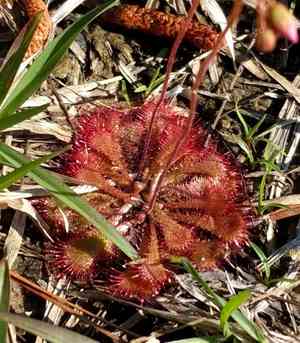
Its distinctive glistening surface renders it an aesthetically pleasing feature in outdoor spaces.
3
The flora flourishes in impoverished soil, rendering it suitable for varied cultivation environments.
Why Incorporate Dwarf Sundew into Your Garden?
Pest Management
A key advantage of Dwarf sundew is its inherent capacity for pest control. This plant produces a sticky fluid on its leaves that draws in insects. Once an insect lands, it becomes ensnared in the adhesive and is eventually consumed by the plant. This process not only supplies vital nutrients to the plant but also aids in diminishing garden pest numbers, fostering healthier plants overall.
Visual Appeal
The glistening, dewy appearance of Dwarf sundew brings an element of charm to any garden. The plant's sticky droplets, which resemble morning dew, make it an attractive addition. Its compact and intricate form integrates well into various garden settings, from rockeries to container plantings. Its distinctive look not only boosts aesthetic value but also piques curiosity and interest among garden visitors.
How Does Dwarf Sundew Flourish in Nutrient-Deficient Soils?
Adaptability
Another notable benefit of Dwarf sundew is its ability to adapt to soils lacking in nutrients. Unlike many other plants that demand nutrient-rich soil to thrive, Dwarf sundew has evolved to grow in challenging environments where nutrients are scarce. This adaptability makes it an excellent option for gardeners aiming to cultivate plants in less fertile areas, such as sandy or peaty grounds.
Minimal Upkeep
Given its natural habitat, Dwarf sundew requires very little fertilization and care. This low-maintenance characteristic makes it a favorite among both new and experienced gardeners. The plant primarily relies on trapping insects for its nutrient intake, reducing the need for extra fertilization and simplifying its management.
Cultivating Dwarf Sundew in Your Garden: A Guide
Watering Needs
Appropriate watering is essential for the well-being of Dwarf sundew. The plant prefers consistent moisture but cannot tolerate waterlogged conditions. It thrives in environments where the soil is kept damp yet well-drained. Rainwater or distilled water is advised to prevent mineral accumulation, which can be detrimental to the plant.
Light Requirements
Dwarf sundew performs best in full to partial sunlight. Ensuring the plant receives sufficient light will help it maintain its vibrant coloration and enhance its capacity to attract insects. If growing Dwarf sundew indoors, positioning it near a sunny window or under grow lights can provide the necessary illumination.
Fostering Biodiversity in Your Garden
Dwarf Sundew and Ecological Balance
Dwarf sundew plays a crucial role in promoting ecological balance within your garden. By naturally regulating insect populations, the plant helps prevent infestations that could harm other plants. This equilibrium encourages a healthy, flourishing garden environment where various plant species can coexist and thrive.
Attracting Pollinators
While Dwarf sundew primarily attracts insects for consumption, it can also draw in pollinators such as bees and butterflies when in bloom. These pollinators contribute to the overall health of your garden by facilitating the reproduction of flowering plants, thereby supporting a diverse and vibrant ecosystem.



