How to Prune Dwarf sundew?
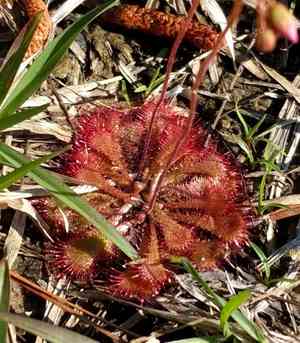
A compact, insectivorous plant, the dwarf sundew flourishes with limited trimming, mainly to eliminate exhausted traps and stimulate fresh development. Trimming in the springtime revitalizes the specimen and primes it for vigorous summer expansion. Removing spent blooms after autumn flowering fosters strong well-being. Employ forceps for accurate removal of deceased or deteriorating traps, while preserving healthy ones crucial for light conversion and insect capture. Pruning boosts the plant's vigor, making its exquisite, insect-trapping dew droplets more conspicuous.
What Are the Benefits of Pruning Dwarf Sundew?
What Are the Benefits of Pruning Dwarf Sundew?
Trimming dwarf sundew promotes vigorous development and maintains a compact shape, ensuring peak health and visual appeal, while also preventing excessive growth that can lead to poor air circulation and illness.
What Is the Best Time for Pruning Dwarf Sundew?
What Is the Best Time for Pruning Dwarf Sundew?
Trimming dwarf sundew is best performed in the spring, coinciding with the start of the plant's active growth period following winter dormancy. This timing encourages robust growth and aids the plant in recovering from any cuts made. Pruning later, especially during the summer or fall, could potentially disrupt dwarf sundew's natural life cycle as it prepares for dormancy, and may result in reduced vitality or even harm the plant.
What Tools Do I Need to Prune Dwarf Sundew?
Fine-tipped Precision Scissors or Tweezers
Given the small size and delicate nature of dwarf sundew, fine-tipped precision scissors or tweezers are perfect for removing dead or decaying material without harming the surrounding healthy tissue.
Spring-action Pruners
For any larger tasks that might be necessary around dwarf sundew, such as trimming nearby larger plants or managing the potting environment, spring-action pruners offer control and reduce hand fatigue, ensuring accurate cuts without disturbing dwarf sundew.
How to Prune Dwarf Sundew
Identify
Examine dwarf sundew for shriveled or deceased leaves, being careful not to damage the adjacent healthy, sticky leaves or the fragile stem.
Disinfect
Clean and sanitize your pruning tools before beginning to prevent the spread of diseases to dwarf sundew.
Remove
Gently pinch off the withered leaves at their base where they connect to the stem, or use a pair of fine, sharp scissors or tweezers to snip them away without harming the plant.
Dispose
Discard the removed withered leaves far from dwarf sundew to avoid attracting pests that could damage the plant.
Monitor
Regularly observe dwarf sundew after pruning to ensure healthy growth and to check for any signs of pests, diseases, or further pruning requirements.
Common Pruning Mistakes with Dwarf Sundew
Over-pruning
Removing too many leaves or traps can stress dwarf sundew, impeding its ability to photosynthesize and effectively capture prey.
Cutting healthy tissue
Trimming living parts instead of only the dead or dying tissue may cause unnecessary damage and create potential entry points for infections.
Using unsterilized tools
Pruning with contaminated tools can transmit diseases between plants or introduce new infections to dwarf sundew.
Improper disposal
Failing to correctly dispose of the pruned material can allow pests or diseases to persist and potentially infect dwarf sundew or other nearby plants.
Ignoring plant signals
Overlooking the indications dwarf sundew provides, such as discolored or wilted traps, may lead to incorrect pruning practices.
Common Pruning Tips for Dwarf Sundew
Disinfect tools
Ensure pruning scissors or tools are cleaned and sanitized before and after use to prevent the spread of diseases.
Focus on dead material
Remove only the brown, dead traps and leaves to avoid harming dwarf sundew's healthy growth.
Be gentle
Handle dwarf sundew delicately as its structures are fragile; rough handling during pruning can damage the plant.
Opt for precision
Employ precise cuts to remove only the target tissues, making sure not to harm the nearby healthy parts.
Post-pruning care
After pruning, check dwarf sundew periodically for signs of stress or disease, and provide appropriate care to promote recovery and good health.



