How Much Sunlight Do Dwarf sundew Need?
1
Dwarf sundews flourish with under three hours of direct sun daily.
2
Watch for leaf yellowing, which indicates excessive sun exposure.
3
Supplemental artificial light can be beneficial in colder seasons.
Deciphering Dwarf Sundew Light Needs
Native Environment and Illumination
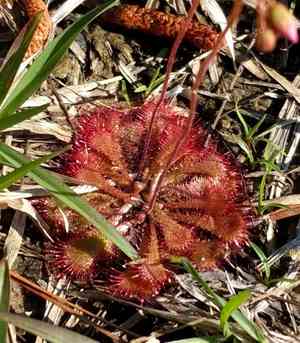
The Dwarf sundew is a captivating carnivorous plant, renowned for its distinct adaptations to nutrient-deficient habitats. Naturally found in the humid, bright areas of North America, specifically in wetlands and sandy soils, this small yet intricate plant has evolved to flourish where it receives ample sun but also experiences daily shade variations. Grasping these natural conditions is vital for replicating the plant's ideal home environment.
The Importance of Sunlight for Dwarf Sundew Development
Sunlight plays a critical role in the Dwarf sundew's growth. It not only supplies the energy required for photosynthesis but also aids in creating the sticky, viscous droplets on the plant's leaves used to ensnare prey. Without adequate sunlight, the formation of these droplets can be severely hindered, leading to a decline in the plant's overall health and its capacity to capture insects.
Optimal Practices for Dwarf Sundew Sun Exposure
Ideal Sunlight Duration
For the Dwarf sundew, aim for less than 3 hours of direct sun daily. This might seem minimal, but excessive sunlight can harm the plant. Striking a balance is key; indirect light for the rest of the day can help meet its needs without causing damage.
Indoor vs. Outdoor Placement
Deciding whether to keep your Dwarf sundew indoors or outdoors largely depends on your local climate. If you reside in an area with moderate sun and cooler temperatures, outdoor placement in a partially shaded spot can be beneficial. For indoor settings, a windowsill with filtered light or a location near a north or east-facing window is perfect for maintaining proper light balance.
Seasonal Considerations
Seasonal shifts can significantly impact the amount of light your Dwarf sundew receives. During summer, relocate the plant to a spot with dappled sunlight or use a sheer curtain to prevent intense direct sun. In winter, consider supplementing with artificial lighting to compensate for reduced natural light.
Indicators of Excessive or Insufficient Light for Dwarf Sundew
Signs of Sunburn in Dwarf Sundew
Sunburn can be a serious problem for the Dwarf sundew. Symptoms include browning or crispy leaf edges, along with a general loss of the plant's vibrancy. If you observe these signs, it's crucial to move the plant to a shadier location or provide some form of light filtering to lessen the stress from too much sun.
Symptoms of Inadequate Light
Conversely, insufficient light can also harm the Dwarf sundew. Symptoms include pale or yellowing foliage, stem elongation as the plant stretches for more light, and a noticeable decrease in sticky droplet production. Addressing this involves gradually increasing the plant's light exposure to prevent shock.
Adjusting Light Exposure for a Healthier Dwarf Sundew
Utilizing Artificial Lighting Solutions
When natural sunlight is insufficient, artificial lighting can be an excellent supplement. Full-spectrum LED grow lights are particularly effective. Position the lights about 15-30 cm (6-12 inches) above the plant and keep them on for approximately 10-12 hours daily to mimic the natural light cycle.
Gradual Acclimation to Light Changes
Sudden shifts in light conditions can stress and harm the Dwarf sundew. When adjusting the plant's light exposure, do so gradually. If increasing light, incrementally move the plant closer to the source over several days. Conversely, if reducing light, gradually move the plant to a more shaded area to allow it to acclimate without shock.



