How to Transplant Hopbush?
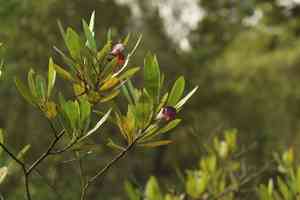
The optimal period for transplanting hopbush is during the increasing warmth of mid to late spring, which facilitates superior root development. Select a bright location featuring soil that drains effectively. Carefully managing the root mass is crucial for successful outcomes.
Essential Preparations Before Relocating Hopbush
Optimal Timing for Hopbush Relocation?
The best time to move hopbush is during mid-spring or as spring concludes. This timing promotes strong root development before the summer heat. Transplanting in these milder conditions reduces stress on the hopbush, fostering healthier growth. This step ensures your hopbush has ample opportunity to adjust and thrive in its new spot, strengthening it for warmer months.
Recommended Spacing Between Hopbush Plants?
When transplanting your hopbush, position each new plant approximately 2-3 feet (60-91 cm) apart. This provides ample room for growth. It's an excellent starting task for a beginner gardener like yourself.
Ideal Soil Mixture for Hopbush Transplanting?
Prepare well-draining soil for your hopbush by combining compost for organic content and sand for improved drainage. Remember to incorporate a base fertilizer to give your plant a nutritional boost from the start.
Where to Position Your Hopbush?
The perfect spot for your hopbush is where it will receive full sun or partial shade. Therefore, look for a sunny area or one that offers light shade during the afternoon. Happy planting!
Equipment Needed Before Transplanting Hopbush
Gardening Gloves
To protect your hands from thorny branches or dirt while handling the plant and soil.
Shovel or Spade
These tools will assist in carefully excavating around and beneath the plant, ensuring the root ball remains intact.
Wheelbarrow or Bucket
For safely moving the hopbush plant from its original spot to its new location.
Compost or Organic Fertilizer
This will help enrich the soil and stimulate growth after the transplant.
Garden Hose or Watering Can
To thoroughly hydrate the plant following transplantation.
Mulch
To maintain soil moisture and inhibit weed growth.
Plant supports (if needed)
Hopbush is naturally sturdy, but if planted in an exposed, windy area, some form of support might be beneficial.
How to Extract Hopbush from the Soil?
How to Extract Hopbush from the Soil?
From Ground: Begin by watering the soil around the hopbush to facilitate digging and minimize plant shock. Using a shovel or spade, carefully dig a circle around the plant, far enough away to avoid damaging the root system. Once you've dug deep enough to get under the root ball, gently lift the plant from the ground. Place the plant in a wheelbarrow or bucket for transport. From Pot: First, water the hopbush plant to moisten the soil. Turn the pot on its side, hold the plant gently by the stems, and tap the bottom of the container until the plant slides out. You might need to give the base of the plant a few light taps. If the plant is root-bound with tangled roots, you may need to lightly prune the roots before transplanting. From Seedling Tray: Water the seedlings thoroughly before removing them from the tray. Push the base of the seedling cell with your fingers to pop the seedling out. Handle seedlings by their leaves to prevent stem damage.
Step-by-Step Guide for Transplanting Hopbush
Preparation
Prepare the designated area by digging a hole deep and wide enough for the root ball to fit comfortably. The hole should be twice as wide and slightly deeper than the root ball. Enhance the planting hole with compost or organic fertilizer.
Placement
Position the hopbush plant in the hole at the same depth it was growing in its previous location. Gently backfill the hole with soil, firming the soil around the root ball.
Watering
Water the hopbush plant generously immediately after transplanting. The water will settle the soil around the roots, eliminating air pockets.
Mulching
Apply a layer of mulch around the base of the hopbush plant, leaving a small gap around the stem. This will help retain moisture and suppress weeds.
Post-Transplant Care for Hopbush
Watering
Water consistently as the hopbush plant establishes its roots. The soil should remain moist but not waterlogged. Both insufficient and excessive watering can cause issues.
Pruning
To encourage a denser growth habit for hopbush, you may lightly prune the plant. However, avoid extensive pruning immediately after transplanting.
Inspecting
It's vital to monitor your hopbush plant for a few weeks post-transplant. Watch for any signs of transplant shock, such as wilting or yellowing leaves. If observed, adjust your watering schedule accordingly.
Supporting
If your hopbush plant appears to be leaning or bending significantly after transplant, it might require some support. Use a sturdy stick or a garden stake to support the plant until its roots are established.
Addressing Common Issues with Hopbush Transplantation.
When is the best time to transplant hopbush?
The optimal period to transplant hopbush is between late Spring and early Summer (S2-S3). This allows the plant ample time to establish itself before colder weather.
How much space should I allow when transplanting hopbush?
Keep each hopbush approximately 2-3 feet (0.6-0.9 meters) apart. This adequate spacing promotes better growth and healthy branching.
What type of soil does hopbush prefer for transplanting?
Hopbush is quite adaptable, but it thrives in well-draining sandy or loamy soil. Avoid heavy clay soils, as they can lead to root problems.
How to prepare the hole for hopbush transplanting?
Dig a hole twice as wide and as deep as the plant’s root ball. This provides ample space for the roots, aiding faster establishment.
What should I do with the root ball when transplanting hopbush?
Before planting, gently untangle the roots from the root ball. This encourages the roots to spread into the surrounding soil, improving establishment.
What's the correct way to plant hopbush into the ground during transplantation?
Place hopbush into the hole, ensuring it's level with the ground, then backfill with soil. Be careful not to create a depression or a mound around the plant.
How should I water hopbush immediately after transplanting?
Once hopbush is transplanted, water it thoroughly. This settles the soil around the roots and provides initial hydration. Avoid over-watering to prevent root rot.
After transplanting, should I mulch around hopbush?
Applying a 3-inch (about 7.5 cm) layer of organic mulch around hopbush helps conserve moisture, control weeds, and regulate soil temperature, which is ideal for root growth.
What should I do if hopbush shows signs of transplant shock?
First, don't worry. Keep hopbush well-watered but not soggy and shield it from extreme weather. It should recover on its own over time.
How long does it take for hopbush to become established after transplanting?
Generally, hopbush takes about 3-4 weeks to establish after transplantation. During this period, consistent watering and protection from harsh conditions can help it thrive.



