How to Propagate Hopbush?
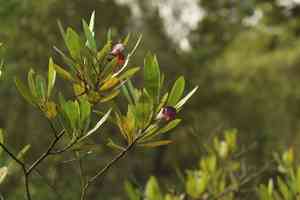
Dodonaea viscosa reproduces via cuttings, preferably in the spring or summer period. The level of difficulty for its propagation is average. Successful reproduction is indicated by the development of roots on the cuttings. For best outcomes, use robust, healthy stems and an appropriate growing substrate.
Optimal Time for Hopbush Propagation
Propagation Method
Cutting
Propagation Period
Spring, Summer
Tools for Hopbush Propagation
Sharp Pruning Shears
Sharp pruning shears are vital for taking cuttings from hopbush. A clean cut minimizes harm to both the parent plant and the cutting, which is crucial for their health and viability. Sterilize shears before use to prevent disease spread.
Rooting Hormone
Rooting hormone encourages root growth in hopbush cuttings. Dipping the cut end into the hormone can boost successful rooting, especially beneficial for woody plants like hopbush that might otherwise root slower.
Potting Mix
A well-draining potting mix offers an ideal environment for hopbush cuttings to form roots. The mix should allow good aeration and moisture retention without becoming waterlogged, essential for healthy root system development.
Propagation Tray
A propagation tray can hold multiple hopbush cuttings in an organized manner. The tray helps maintain consistent moisture and warmth—both key factors for successful rooting of cuttings.
Plastic Dome or Cover
A clear plastic dome or cover fits over the propagation tray, creating a humid and stable environment. This microclimate prevents hopbush cuttings from drying out and can improve rooting success and speed by maintaining higher humidity levels.
Heat Mat
A heat mat gently warms the soil, which can enhance root formation in hopbush cuttings. This tool is especially useful in cooler climates or seasons where ambient temperatures might be too low for optimal rooting.
Misting Bottle
A misting bottle allows for gentle watering, keeping hopbush cuttings and surrounding soil moist without causing erosion or dislodging them. Regular misting helps maintain necessary humidity levels for cuttings to thrive.
How to Propagate Hopbush?
Propagation Type
Cutting
Difficulty Level
Moderately Difficult
Caring for Your Newly Propagated Hopbush
How to Care for Your Newly Propagated Hopbush?
Post-propagation, hopbush needs well-drained soil and full sun to partial shade. Water new plants consistently until established, then reduce frequency, allowing soil to dry slightly between waterings. Fertilize with a balanced, slow-release fertilizer as new growth emerges. Prune to maintain size and shape. Hopbush is drought-tolerant once established, suitable for xeriscaping. Protect young plants from frost and extreme temperatures.
Common Mistakes to Avoid When Propagating Hopbush
Insufficient drainage
Using a propagation medium that holds too much water can lead to root rot and fungal diseases, which are harmful to hopbush's rooting process.
Overcrowding cuttings
Placing too many cuttings in one pot can cause competition for space and resources, reducing the likelihood of successful root development.
Neglecting to use rooting hormone
While not always essential, skipping rooting hormone application might slow down or decrease the rooting success rate for hopbush cuttings.
Ignoring pest control
Failing to manage pests during propagation can lead to infestations that damage or kill young hopbush cuttings before they establish.
Tips For Propagating Hopbush
Semi-hardwood cuttings
Using semi-hardwood cuttings, which are the current year's growth that has begun to harden, are ideal for propagating hopbush as they tend to root more readily.
Appropriate moisture
Maintain consistent moisture levels for the propagation medium, ensuring it's damp but not waterlogged to provide an optimal environment for root development.
Sterile tools and medium
Always use sterile pruning tools and propagation media to prevent disease transmission that can negatively affect the success of hopbush propagation.
Indirect sunlight
Place the propagating cuttings in indirect sunlight as excessive direct sunlight can cause stress and desiccation of young hopbush plants.



