How Much Sunlight Do Hopbush Need?
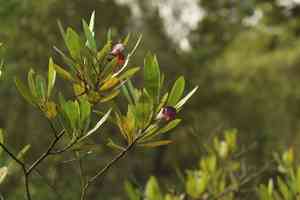
1
Hopbush thrives in direct sunlight but can endure some shade.
2
Excessive direct sun exposure often leads to sunburn and scorched leaves on Hopbush.
3
For best development, Hopbush requires over 6 hours of sunlight each day.
Ideal Light Conditions for Hopbush
Full Sun Requirements
Hopbush flourishes best in full sun environments. This implies it should get a minimum of 6 hours of direct solar exposure daily. Ample sunlight encourages robust development, vibrant leaves, and a strong overall form. For peak growth and vigor, position your Hopbush where it can absorb the sun's rays for most of the day.
Partial Shade Tolerance
Although Hopbush prefers full sun, it can endure some partial shade. However, excessive shade can lead to leggy growth and less vivid foliage. If your chosen planting spot has a mix of sun and shade, ensure the plant receives the most sunlight possible. Morning or late afternoon shade won't harm the Hopbush, but avoid areas with dense, continuous shade.
How to Position Your Hopbush for Optimal Sun Exposure
Choosing the Right Location
Selecting the perfect spot for your Hopbush is vital. Seek an area in your garden that receives unfiltered sunlight for the majority of the day. South-facing locations are often ideal in the Northern Hemisphere. Confirm the planting area has well-draining soil to prevent root rot and other moisture-related problems.
Seasonal Adjustments
Hopbush adapts well to seasonal shifts, but it's important to modify its placement or offer additional care during severe weather. In the intense summer months, if strong sunlight causes leaf burn, consider temporary shading solutions. During winter, ensure the plant still gets sufficient sunlight to maintain its health.
Common Sunlight-Related Issues and Their Solutions
Addressing Sunburn and Leaf Scorch
A frequent problem for Hopbush in areas with intense sunlight is sunburn or leaf scorch. Symptoms include bleached or brown leaves. To counter this, you can use shade cloths during peak sun hours or move the plant to a slightly shadier spot. Ensure the plant is well-hydrated to lessen the stress from excessive heat.
Signs of Insufficient Sunlight
Conversely, inadequate sunlight can result in leggy, sparse growth and dull foliage in Hopbush. If your plant isn't thriving, it might be getting less sunlight than it requires. Look for elongated stems and lackluster leaves as indicators and consider relocating the plant to a sunnier spot or trimming nearby vegetation that might be blocking light.
Comparing Hopbush Sunlight Needs to Other Plants
Evergreen Shrubs
Hopbush's sunlight requirements are similar to many other evergreen shrubs. For instance, plants like Boxwood and English Laurel also flourish in full sun conditions, needing at least 6 hours of daily sunlight to maintain their health and lush appearance. This makes Hopbush a compatible garden companion to other sun-loving evergreens.
Deciduous Shrubs
Compared to deciduous shrubs, Hopbush's sunlight needs are relatively high. Deciduous shrubs such as Hydrangeas can thrive in partial sun or dappled shade, whereas Hopbush will greatly benefit from as much direct sunlight as you can provide. When planning your garden layout, consider placing Hopbush in more open areas to meet its light requirements.
FAQs on Hopbush Sunlight Care
Can Hopbush Grow Indoors?
While Hopbush is primarily suited for outdoor cultivation, it can be grown indoors given the right conditions. Ensure it is placed in a location that receives abundant sunlight, such as a south-facing window. Without sufficient light, you may need to supplement with grow lights designed to mimic natural sunlight.
What Is the Best Time of Year to Plant Hopbush?
The optimal time to plant Hopbush is during the cooler months of spring or fall when the weather is mild. Planting during these periods allows the shrub to establish roots without the stress of extreme summer heat or winter cold, ensuring it receives ample sunlight from the start.



