Enhancing Your Garden Design with the Hopbush Plant: A Landscaping Guide
1
Hopbush stands out with its vivid hues and varied textures, making it a flexible option for any garden.
2
For optimal growth, Hopbush needs sufficient sun exposure and soil that drains effectively.
3
Incorporating Hopbush into your garden design can create aesthetic balance when paired with other flora.
Introducing Hopbush in Garden Design
Hopbush's visual appeal overview
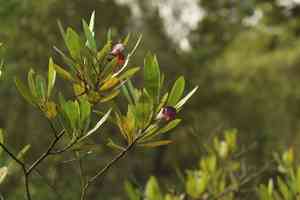
A primary reason Hopbush is highly valued in garden design is its aesthetic charm. This plant displays a distinct color palette that can shift with the seasons, offering a lively element to gardens throughout the year. Its leaves, which vary from bright green to bronze, stand out against other foliage, making Hopbush an excellent focal point in any landscape plan.
Advantages of incorporating Hopbush into garden layouts
Beyond its visual charm, Hopbush provides several benefits. It is naturally hardy, adapting well to diverse climates and soil types. This characteristic makes it a low-maintenance choice for gardeners. Furthermore, Hopbush can serve as a natural screen, offering privacy and wind protection due to its dense foliage, making it both a practical and decorative addition to your garden.
Selecting the Optimal Spot for Hopbush
Considerations for planting Hopbush
Choosing the correct location for Hopbush in your garden involves evaluating a few key factors. First, assess your area's climate; Hopbush thrives in regions with mild to moderate weather. Second, consider the site's exposure to elements; selecting a spot protected from strong winds will help safeguard the plant. Finally, account for the plant's mature size to ensure it has ample room to grow without overcrowding its space or competing with other plants for resources.
How light and soil impact Hopbush's development
Sunlight and soil are vital for the successful growth of Hopbush. Ideally, Hopbush should be planted in an area that receives abundant sunlight, as it flourishes in full sun to partial shade. Regarding soil, Hopbush prefers well-drained earth to prevent root rot. Amending the soil with organic material can improve its drainage properties, ensuring water does not collect around the plant's roots.
Pairing Hopbush with Other Flora
Companion planting strategies for Hopbush
Integrating Hopbush with other plants can enhance your garden's overall beauty while also promoting plant health. Consider pairing Hopbush with drought-tolerant species, as they share similar watering requirements. Additionally, combining Hopbush with plants of varying heights and growth habits can create a dynamic and layered appearance, adding depth and dimension to your landscape.
Visual balance: Blending hues and textures
Achieving visual harmony in your garden involves carefully mixing colors and textures. Hopbush's unique foliage can be complemented by plants with contrasting leaf shapes and colors. For instance, pairing Hopbush with plants that have broad, dark green leaves can provide a striking contrast. The addition of flowering plants around Hopbush can further boost the vibrancy and visual appeal of your landscape.
Preserving Hopbush's Allure
Seasonal advice for robust growth
Maintaining Hopbush's beauty involves following seasonal care guidelines. In spring, prune any dead or damaged branches to encourage new growth and maintain the plant's form. During summer, consistent watering is essential, especially during dry periods. Mulching around the base can help retain moisture. As autumn approaches, reducing watering helps prepare Hopbush for winter dormancy, and applying a light fertilizer can promote strong health come spring.
Fundamental maintenance techniques
Basic upkeep for Hopbush includes regular pruning to manage its size and shape. This plant benefits from moderate watering schedules, ensuring the soil stays moist but not waterlogged. Monitoring for pests and diseases is also crucial; although Hopbush is relatively resistant, early detection and treatment can prevent potential issues. Lastly, applying a layer of mulch around the base helps regulate soil temperature and conserve moisture.
Innovative Applications of Hopbush in Landscape Designs
Features and structures enhanced by Hopbush
The adaptable nature of Hopbush allows it to be used creatively in various landscaping features and structures. It can serve as an appealing hedge for privacy or as a natural barrier to delineate different garden zones. Additionally, Hopbush can be trained to grow on trellises or pergolas, adding a lush, green element to these architectural features.
Examples from actual landscaping projects
Real-world landscaping projects offer numerous instances of Hopbush being used effectively. For example, in urban gardens, Hopbush is often seen lining pathways, providing a structured yet natural feel. In larger landscapes, it may be used to create windbreaks or as part of a mixed border, showcasing its versatility. These practical applications highlight Hopbush's ability to combine functionality with aesthetic appeal, making it a valuable addition to any landscape design.



