Optimal Fertilizer for Growing Hopbush: What You Need to Know
1
Fertilize Hopbush during the cool parts of the day, like dawn or dusk, to avoid scorching its leaves.
2
While Hopbush tolerates infertile soil, occasional feeding enhances its development and color.
3
Excessive fertilization of Hopbush may lead to an accumulation of salts in the soil, negatively impacting the plant's well-being.
Understanding Fertilizer Needs of Hopbush
What Nutrients Does Hopbush Require?
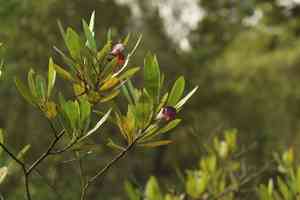
The Hopbush (Dodonaea viscosa) is a robust and resilient plant that can thrive in diverse soil conditions. However, for optimal development and vibrant foliage, it still requires specific essential nutrients. These include primary nutrients like nitrogen (N), phosphorus (P), and potassium (K), which aid in various growth processes. Additionally, trace elements such as iron, manganese, and zinc play crucial roles in the plant's overall health. Ensuring Hopbush receives the correct balance of these nutrients is vital for promoting its growth and longevity.
Role of NPK (Nitrogen, Phosphorus, Potassium) in Hopbush Health
The NPK ratio on fertilizers indicates the percentage of nitrogen, phosphorus, and potassium present. For Hopbush, nitrogen is essential for fostering lush foliage and rapid growth. Phosphorus aids in root development and flower production, enhancing the plant's aesthetic appeal and structure. Potassium helps regulate various physiological functions, improving overall plant resilience and stress tolerance. Using a balanced NPK fertilizer ensures that Hopbush receives these critical nutrients in appropriate quantities, supporting its vigorous growth habit.
Choosing the Right Fertilizer for Hopbush
Organic vs. Synthetic Fertilizers
When selecting between organic and synthetic fertilizers for your Hopbush, each presents advantages and disadvantages. Organic fertilizers, such as compost and manure, release nutrients gradually, enhancing soil structure and promoting long-term soil health. Conversely, synthetic fertilizers offer immediate nutrient availability and ease of application but may lead to soil degradation over time if overused. For Hopbush, a combination of both can be highly effectiveâorganic materials for soil health and synthetic fertilizers for quick nutrient boosts.
Recommended Formulations & Products
Several formulations are effective for Hopbush. A balanced NPK ratio like 10-10-10 or 20-20-20 can be a suitable choice. Products such as slow-release granular fertilizers and liquid feeds are popular options. Brands like Osmocote and Miracle-Gro provide reliable formulations tailored to the specific needs of Hopbush. Always adhere to the manufacturerâs instructions and consider a soil test to customize the fertilization plan for your plant.
When and How Often to Fertilize Hopbush?
Seasonal Feeding Recommendations
For Hopbush, the most effective time to apply fertilizer is during the summer season. This period coincides with its active growth phase, ensuring the plant maximizes the benefits of the provided nutrients. During this time, a bi-weekly or monthly application of a balanced fertilizer can yield excellent results. Reduce fertilization frequency in fall and winter when growth slows, but ensure consistent care to maintain its health.
Signs That Hopbush Needs Fertilization
Common indicators that Hopbush requires fertilization include yellowing leaves, stunted growth, and reduced vigor. If you observe these symptoms, it may be time to re-evaluate your fertilizer regimen. Additionally, sparse foliage and poor flowering can also signal nutrient deficiencies, necessitating timely intervention to restore plant health.
Applying Fertilizer to Hopbush
Step-by-Step Fertilizing Techniques
To effectively fertilize Hopbush, follow these steps:Thoroughly water the plant before application to prevent root burn.Measure the recommended amount of fertilizer based on package instructions.Sprinkle or spread the fertilizer evenly around the plant's base, avoiding direct contact with the stem.Gently work the fertilizer into the top 2-3 cm (1 inch) of soil using a hand rake.Water again lightly to help the nutrients absorb into the soil.
Safety Precautions and Best Practices
When handling fertilizers, always wear gloves and protective eyewear to prevent skin and eye irritation. Store fertilizers in a cool, dry place away from children and pets. Avoid over-fertilizing to prevent nutrient runoff and plant damage. Lastly, follow the specific instructions on the fertilizer packaging to ensure safe and effective application.
Monitoring the Impact of Fertilization on Hopbush
Tracking Growth and Health Post-Fertilization
Monitor your Hopbush closely after fertilization. Note any changes in leaf color, growth rate, and overall plant vigor. Regularly check for new leaves and flowers as indicators of effective fertilization. Keeping a gardening journal can help track progress and any adjustments made to the fertilization schedule.
Adjusting Fertilization Practices Based on Observations
If you notice excessive growth or leaf burn, you may need to reduce the amount or frequency of fertilization. Conversely, if the plant shows no improvement, reassess the type of fertilizer and application method used. Soil testing can offer insights into nutrient deficiencies, guiding adjustments for better results. Continuous observation and adaptation are key to maintaining a healthy and thriving Hopbush.



