How to Transplant Cutleaf teasel?
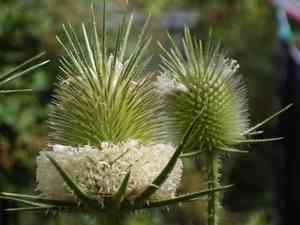
The optimal period for transplanting cutleaf teasel is the revitalizing phase of early to mid-spring, since moderate temperatures and damp earth facilitate root development. Select a location offering ample to moderate sunlight and soil that drains effectively. Careful handling during extraction guarantees successful acclimation.
Essential Preparations Before Relocating Cutleaf Teasel
Optimal Timing for Relocating Cutleaf Teasel?
The best time to move cutleaf teasel is during the early weeks of spring or as mid-spring arrives. This period offers the gentle warmth and increasing daylight cutleaf teasel needs to establish its roots in a new spot. Relocating cutleaf teasel in this season takes advantage of the mild temperatures and moist soil, promoting strong growth and reducing transplant shock. Seize this chance for your cutleaf teasel to flourish, ensuring it's ready to display its beauty the following year.
Required Spacing Between Cutleaf Teasel Plants?
When planning to relocate your cutleaf teasel, it's crucial to provide ample room for development. For optimal outcomes, maintain a distance of approximately 2-3 feet (60-91 centimeters) between each plant. This will allow each cutleaf teasel sufficient area to thrive.
Best Soil Blend for Cutleaf Teasel Relocation?
For cutleaf teasel, a soil that drains well yet retains moisture without becoming waterlogged is ideal. Prepare this by incorporating organic matter and compost to enhance soil fertility. A good application of a balanced granular fertilizer, such as a 10-10-10 mix, can also help prime the soil nutrients.
Optimal Location for Your Cutleaf Teasel?
Cutleaf teasel performs best in full sun, though it can endure some partial shade. When selecting a spot in your garden, choose a location where the plant will receive at least 6 hours of sunlight daily. This will ensure your cutleaf teasel remains healthy and robust.
Tools to Prepare Before Relocating Cutleaf Teasel?
Gardening gloves
To safeguard your hands from thorns and dirt during the relocation process.
Trowel
A small hand tool used for digging. You might need it to loosen the soil around the cutleaf teasel for easy extraction.
Shovel
This is essential if the cutleaf teasel is planted in the ground. It aids in carefully removing the plant without harming its root system.
Garden fork
This broad, flat implement is perfect for lifting the plant and its root ball from the ground with minimal disruption.
Watering can
To hydrate the plant before and after relocation, ensuring the soil is damp but not saturated.
Pruners
Useful for trimming any damaged or diseased branches before relocating the cutleaf teasel.
How to Extract Cutleaf Teasel from the Soil?
How to Extract Cutleaf Teasel from the Soil?
From Ground: If the cutleaf teasel plant is in the ground, water it thoroughly the day before to reduce stress during the move. This also softens the soil, making plant removal easier. Use a shovel to dig a wide circle around the plant, being careful not to damage its roots. Use the garden fork to gently lift the plant, aiming to keep as much of the root ball intact as possible.From Pot: If the plant is in a pot, water it well about an hour before relocating. Invert the pot and gently tap it to release the cutleaf teasel. If the plant doesn't come out, roll the pot gently on its side to loosen the roots and soil.Seedling Tray: If you're relocating the cutleaf teasel plant from a seedling tray, water the tray and let it sit for a few minutes. Carefully push up from the bottom to extract the seedling. Ensure you handle these young plants by their leaves, not the stem, which is very delicate at this stage.
Step-by-Step Guide for Relocating Cutleaf Teasel
Preparation
Prepare your new planting area by digging a hole that is twice as wide as the root ball of your cutleaf teasel. The hole's depth should allow the plant to sit at the same level as it was in its original spot.
Transfer
Carefully position the cutleaf teasel in the center of this hole, ensuring it is upright and at the correct depth. Backfill the hole with the removed soil, gently pressing it down to eliminate any air pockets.
Watering
Water the cutleaf teasel generously immediately after planting, until the soil is completely moist.
Adjustment
Observe the plant closely for the next few days. If it appears to wilt, it might simply need a bit more time to adapt. If the condition persists, it may require additional water.
Post-Relocation Care for Cutleaf Teasel
Watering
For the initial few weeks after relocation, keep the cutleaf teasel adequately watered. The soil should consistently be moist, but not waterlogged.
Pruning
Trim off any dead or damaged leaves and branches to encourage healthy development.
Protection
Inspect the cutleaf teasel for any indications of pests or diseases. If observed, treat with an appropriate plant-friendly insecticide or fungicide.
Replenishment
Applying mulch around the base of the cutleaf teasel can help retain moisture, regulate soil temperature, and reduce weed growth.
Resolving Common Issues with Cutleaf Teasel Relocation.
When is the best time to relocate cutleaf teasel?
The optimal period to move cutleaf teasel is during S1-S2. This typically ensures prime growth.
What spacing is needed between each cutleaf teasel during relocation?
It is advisable to maintain approximately 2-3 feet (60-90 cm) of space between each cutleaf teasel. This provides ample room for growth.
How deep should I plant cutleaf teasel when relocating?
You should ensure cutleaf teasel's root ball is fully covered. A depth of around 10 inches (25 cm) is usually sufficient.
What type of soil is best for cutleaf teasel during relocation?
Cutleaf teasel thrives in well-draining soil. The pH should be neutral to slightly acidic for optimal results.
What if the relocated cutleaf teasel looks wilted or discolored?
Don't worry! It's normal for cutleaf teasel to show stress after moving. Keep it well-watered and initially avoid direct sunlight.
What if I see no growth in cutleaf teasel after relocation?
Cutleaf teasel may need time to adjust after a move. Wait a few weeks. If no new growth appears, check for root damage.
How much water should I give cutleaf teasel during relocation?
Deep watering is crucial initially. Afterward, maintain moderate watering based on the weather. Overwatering can lead to root rot.
Why does my relocated cutleaf teasel have yellow leaves?
Yellowing might indicate overwatering or poor drainage. Ensure cutleaf teasel is not in standing water and the soil drains properly.
Should I add fertilizer during relocation?
Yes! A quality compost or a balanced fertilizer can support cutleaf teasel's initial growth after relocation.
What if pests attack my relocated cutleaf teasel?
Don't fret! Use organic pesticides or introduce beneficial insects to manage pest issues. Maintaining good plant hygiene also helps.



