How to Propagate Cutleaf teasel?
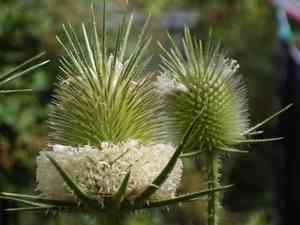
Cutleaf teasel is readily multiplied by planting seeds in the optimal Spring period. Observe for nascent shoots or juvenile plants as indicators of successful reproduction. Guarantee adequate spacing and permeable soil for peak development.
When Is the Optimal Time to Propagate Cutleaf Teasel?
Propagation Method
Seeding
Propagation Period
Spring
What Equipment Is Used for Cutleaf Teasel Propagation?
Seed trays or flats
These shallow containers enable the planting of multiple cutleaf teasel seeds within a confined area, offering an organized beginning for germination. They also guarantee ample space for root development without entanglement.
Fine-grain seed starting mix
This soil medium is formulated to be lightweight and to provide excellent drainage and aeration, which are vital for the germination of cutleaf teasel seeds. Its fine texture also assists in maintaining the delicate moisture balance necessary for seed growth.
Misting bottle or spray nozzle
A misting bottle generates a gentle spray that moistens the seed starting mix without dislodging or burying the tiny cutleaf teasel seeds. This helps maintain appropriate moisture levels without causing soil compaction or seed disturbance.
Heat mat
Applying mild warmth to seed trays can boost germination rates and speed for cutleaf teasel. A heat mat can be positioned beneath the seed tray to maintain a consistent temperature that promotes seedling development.
Grow lights
In the absence of sufficient natural light, grow lights mimic sunlight and can be adjusted to the specific light requirements of cutleaf teasel seedlings during their initial growth phases. Proper illumination is crucial for the development of healthy and robust plants.
Vermiculite or perlite
These additives can be blended with the seed starting mix or used to lightly cover the sown cutleaf teasel seeds. They aid in retaining moisture while still allowing airflow, providing a more favorable environment for seed germination.
Dibber or small stick
This pointed tool creates uniform planting holes for the cutleaf teasel seeds. It allows for precise control over seed depth and spacing, which is essential for optimal germination and growth.
How to Propagate Cutleaf Teasel?
Propagation Method
Seeding
Difficulty Level
Easy
How to Care for Your Newly Propagated Cutleaf Teasel?
How to Care for Your Newly Propagated Cutleaf Teasel?
Following propagation, continue to observe and maintain the cutleaf teasel plants by watering consistently, especially during dry periods, to establish a deep root system. Support the tall growth habit of cutleaf teasel, if needed, with stakes or frames. As cutleaf teasel matures, it will require less water. It is a resilient plant and typically doesn't need much fertilization. Monitor for pests and diseases and treat appropriately. Cutleaf teasel will self-seed abundantly if permitted, so deadhead if you wish to prevent spread.
Common Errors to Avoid When Propagating Cutleaf Teasel
Over-watering
Providing too much water can lead to root rot and other fungal issues for cutleaf teasel. The plant thrives in moist soil, but excessive watering can be detrimental to its health. It is important to allow the soil to dry out slightly between watering, as this species does not tolerate being waterlogged.
Too much fertilizer
Excessive fertilization can harm cutleaf teasel by causing salt build-up in the soil and potential root burn. While nutrients are necessary for the plant's growth, too much can be counterproductive and may lead to poor propagation results.
Overcrowding seeds or seedlings
Sowing seeds too densely or planting seedlings too close together can result in competition for light, space, nutrients, and water. This mistake can lead to stunted growth and reduced vitality of cutleaf teasel. Proper spacing is crucial for healthy development.
Ignoring pests
Neglecting signs of pest infestation can lead to significant damage to cutleaf teasel. Pests can affect the health of the plant and reduce its ability to propagate successfully. Regular inspection and proper pest management are essential.
Tips For Propagating Cutleaf Teasel
Cold stratification
Cutleaf teasel seeds typically require a period of cold stratification to break dormancy. This process involves exposing seeds to cold temperatures before sowing, which can be achieved by placing them in the refrigerator for a few weeks. This mimics natural winter conditions and improves germination rates.
Proper light conditions
Ensuring cutleaf teasel receives adequate light is important for successful propagation. While the plant appreciates sunlight, too much direct exposure, especially during hot summers, can be harmful. A location that offers bright, indirect light or morning sun with afternoon shade is ideal.
Soil preparation
Using a well-draining soil blend is key for the propagation of cutleaf teasel. Good drainage prevents water accumulation around the roots, which is essential for a healthy root system. Amending the soil with organic matter like compost can improve its structure and fertility.
Consistent monitoring
Frequent checking and adjustment of the moisture levels and light conditions can make a substantial difference in the success of propagating cutleaf teasel. Being proactive in monitoring and responding to the plant's needs can prevent issues related to water stress and light deficiencies.



