How Much Sunlight Do Cutleaf teasel Need?
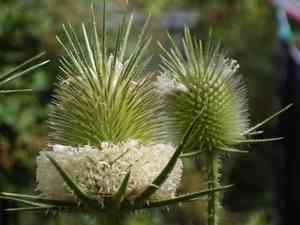
1
Cutleaf teasel flourishes optimally with over six hours of daily sun exposure.
2
While this plant endures some shade, it achieves peak performance in complete sunlight.
3
Positioning Cutleaf teasel in locations receiving abundant sunlight encourages more robust production of its distinctive spiky blooms.
Grasping Cutleaf teasel's Light Needs
Why Light Matters for Cutleaf teasel
Light is vital for Cutleaf teasel for several reasons. Primarily, photosynthesis, the process where plants convert light energy into chemical energy, relies entirely on sunlight. For Cutleaf teasel, a robust perennial, ample light ensures it achieves its full growth potential, fostering strong foliage and blooms. Sunlight also aids in regulating the plantâs biological functions, including growth cycles and reproduction. Insufficient light can result in weaker plants, poor flowering, and increased disease vulnerability.
Optimal Light Conditions for Cutleaf teasel
Cutleaf teasel thrives in full sunlight, meaning it needs at least 6 hours of direct sun daily. This light level is crucial for the plant to photosynthesize effectively, enabling it to develop fully and produce its distinct spiky flowers. While it can tolerate partial sun, enduring conditions with slightly less light (around 4-6 hours daily), it won't perform optimally. Ideally, the plant should be situated where it can absorb morning sunlight and remain illuminated throughout the day.
Natural Habitat Insight: Cutleaf teasel Sun Exposure
In its native environment, Cutleaf teasel is frequently found in open fields, along roadsides, and in sunny meadows. These areas provide the full sun exposure the plant requires. This resilient plant has adapted to flourish in settings where sunlight is plentiful for most of the day. By replicating these natural conditions, gardeners can ensure their Cutleaf teasel plants stay healthy and vibrant. Specifically, positioning the plant in a garden spot that mimics these sunny, open conditions will yield the best results for home cultivation.
Effective Strategies for Cutleaf teasel Sunlight Provision
Selecting the Appropriate Site
Ensuring your Cutleaf teasel receives adequate sunlight begins with choosing the correct garden spot. Opt for a location that gets full sunlight for most of the day. Ideally, this would be an open area free from tall trees or structures that might cast shadows. South-facing spots are often perfect in the Northern Hemisphere, as they receive maximum sunlight year-round. Observe sun patterns and adjust the plantâs placement accordingly to encourage optimal growth.
Adjusting Light Across Seasons
Sunlight intensity and duration can vary significantly between seasons, affecting how much light your Cutleaf teasel receives. During summer, with long days, the plant usually gets enough natural sunlight. However, in winter or during cloudy periods, you might need to modify its location to ensure it still gets sufficient light. Moving potted plants to brighter spots or using reflective surfaces to direct more light onto the leaves can help. For garden-grown plants, consider removing nearby obstructions that may block sunlight as seasons change.
Indicators of Proper and Improper Light Exposure
Understanding your Cutleaf teasel's reaction to sunlight can help you determine if it's getting the right amount. Healthy plants typically show strong, vigorous growth and produce their characteristic flowers. Conversely, signs of insufficient sunlight include leggy growth, where plants stretch towards the light source, and dull, smaller leaves. On the other hand, excessive sunlight, especially in very hot conditions, can lead to scorched or discolored leaves. Adjusting the plantâs position based on these visual cues can help maintain its well-being.
Resolving Cutleaf teasel Sunlight Issues
Identifying and Correcting Overexposure
Excessive sunlight can cause Cutleaf teasel to exhibit symptoms like yellowing leaves, burnt leaf edges, and general stress. If you observe these signs, prompt action is vital. Begin by providing temporary shade using a garden umbrella or shade cloth, especially during peak sunlight hours. Gradually modify the plant's environment by moving it to an area with indirect sunlight during the hottest parts of the day. Regularly monitor its condition to ensure it recovers from overexposure.
Addressing Insufficient Sunlight Symptoms
If Cutleaf teasel isnât receiving enough sunlight, it will likely display signs such as sparse growth, fewer flowers, and pale or yellow leaves. Correcting this issue involves relocating the plant to a sunnier spot where it can get at least 6 hours of direct sunlight daily. If moving is not feasible, consider supplementing natural light with grow lights. Placing reflective material around the plant can also help by bouncing more light onto it. Regular assessment and adjustments can help the plant recover.
Balancing Light with Other Environmental Factors
While obtaining the correct amount of sunlight is crucial, itâs also important to balance this with other environmental factors such as water, soil quality, and air circulation. Ensure the soil is well-drained yet retains adequate moisture, as too much sunlight can dry it out quickly. Mulching can help retain moisture and protect roots from extreme temperatures. Additionally, good air circulation helps prevent heat buildup around the plant, promoting healthier growth.



