How to Prune Cutleaf teasel?
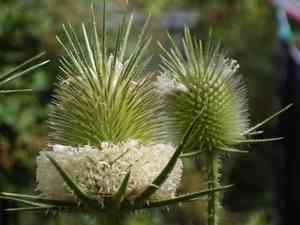
A towering, thorny perennial, cutleaf teasel necessitates consistent trimming to control its development and inhibit self-propagation. Perform pruning in the spring or summer prior to blooming to remove any lifeless or excessively long stems. Sever the stalks near the soil surface to foster a neat appearance. Trimming also assists in limiting its dissemination, given that this variety can be intrusive. Discard all trimmed matter to avert unintended proliferation. Prompt pruning preserves the plant's well-being and the garden's visual appeal.
What Are the Benefits of Pruning Cutleaf Teasel?
What Are the Benefits of Pruning Cutleaf Teasel?
Trimming cutleaf teasel encourages robust development and helps maintain its desired form, ensuring both visual appeal and strong vitality.
What Is the Best Time for Pruning Cutleaf Teasel?
What Is the Best Time for Pruning Cutleaf Teasel?
Trimming cutleaf teasel in late spring and early summer coincides with the period immediately following its bloom. This timing allows for the removal of faded flowers and control of the plant's size before seed production, thereby preventing unwanted spread. Furthermore, this is a time of active growth, which facilitates faster healing of pruning wounds and supports vigorous regrowth.
What Tools Do I Need to Prune Cutleaf Teasel?
Heavy-duty gardening gloves
Protection from cutleaf teasel's spiny stems is vital. Thick gloves can prevent scratches and irritation.
Bypass pruners
Perfect for precise cuts on cutleaf teasel's thinner stems, ensuring clean cuts that foster healthy regrowth.
Loppers
Essential for cutting through cutleaf teasel's thicker stems, as they offer leverage and extended reach for difficult-to-access growth.
Pruning saw
Useful for removing the toughest, thickest stems of cutleaf teasel, which might be too large for loppers.
Garden fork or shovel
Crucial for uprooting cutleaf teasel if controlling its spread is necessary, given its deep root system.
How to Prune Cutleaf Teasel
Cleaning
Before beginning to prune cutleaf teasel, sanitize all pruning tools to prevent the spread of pests and diseases. Use a solution of one part bleach to nine parts water to sterilize the shears or clippers.
Identification
Identify any damaged stems on cutleaf teasel that show signs of disease, injury, or are dead. This includes looking for stems that are broken, discolored, or appear withered.
Removal
Carefully remove the damaged stems by cutting them back to a healthy section of the stem or to the base of cutleaf teasel if the entire stem is affected. Make clean cuts with sharp pruning shears just above a bud or branching point.
Thinning
Thin out crowded stems on cutleaf teasel to improve air circulation and light penetration. Selectively prune stems that are crossing, rubbing against each other, or growing inward towards the plant's center.
Deadheading
Prune old flowering spikes from cutleaf teasel to encourage new growth and prevent the plant from expending energy on seed production. Cut them back to just above a set of leaves or a bud to promote branching or bushier growth.
Common Pruning Mistakes with Cutleaf Teasel
Overpruning
Cutting back cutleaf teasel too severely can stress the plant, hinder its natural growth, and reduce its vitality.
Ignoring Deadheads
Failing to remove spent flowers can lead to a messy appearance and can deplete the cutleaf teasel as it attempts to produce seeds.
Incorrect Cuts
Making cuts too close or too far from the node can harm cutleaf teasel, either by leaving an unsightly stub or by injuring the node.
Using Dull Tools
Pruning cutleaf teasel with dull tools can result in jagged cuts, which are more susceptible to disease and pests.
Pruning Without a Plan
Random or excessive cutting without understanding the growth pattern of cutleaf teasel can lead to poor plant form and reduced flowering.
Common Pruning Tips for Cutleaf Teasel
Clean Cuts
Make clean, angled cuts just above a leaf node to encourage healthy new growth in cutleaf teasel.
Selective Thinning
Thin out overcrowded areas to increase air circulation, which is vital for the health of cutleaf teasel.
Deadheading
Remove spent flowers to promote additional blooming and to maintain the aesthetics of cutleaf teasel.
Tool Hygiene
Sanitize pruning tools before and after use to prevent the spread of disease to or from cutleaf teasel.
Regular Maintenance
Regularly check cutleaf teasel for dead, diseased, or damaged stems and remove them to maintain plant health.



