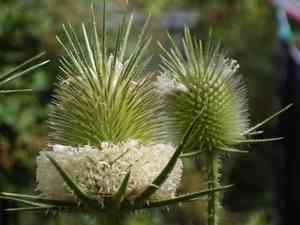
Cutleaf teasel (Dipsacus laciniatus)
Also known as: Cut-leaf teasel
The plant you're referring to is likely the cutleaf teasel (*Dipsacus laciniatus*). This perennial species is commonly found in gardens and is used in the textile industry as well as for cut flower arrangements. Its deep taproot makes it highly invasive and challenging to remove.
In This Article
Attributes of Cutleaf teasel
Lifespan
Biennial, Perennial
Plant Type
Herb
Plant Height
61 cm to 2 m
Spread
60 cm
Leaf Color
Green
Flower Size
5 cm to 10 cm
Flower Color
White
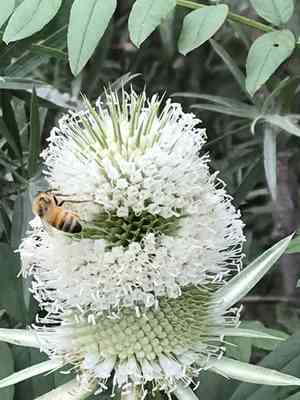
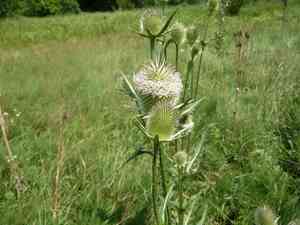
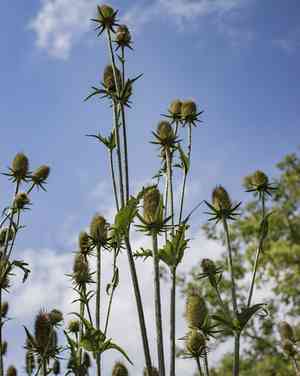
Images of Cutleaf teasel
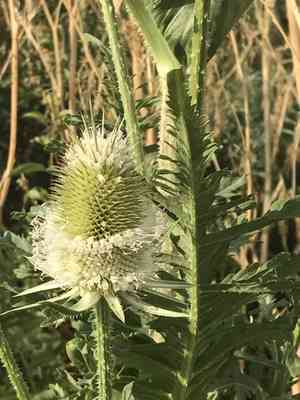
Quickly Identify Cutleaf teasel
1
Identify Dipsacus laciniatus by its deeply lobed leaves, prickly stem, and purple-ish or white flower heads that are densely packed into rounded, spiky clusters.
Scientific Classification of Cutleaf teasel
Phylum
Vascular plants
Class
Dicotyledons
Order
Dipsacales
Family
Honeysuckle
Genus
Teasel
Species
Cutleaf teasel
Planting and Growing of Cutleaf teasel
Care Difficulty
Hard
Watering Schedule
Every 3 days
Sunlight Requirements
Full sun
Sunshine Duration
4-6 hours
Ideal Temperature
60-75℉
Soil Type
Potting Mix, Peat Mix
Soil pH
6.5-7.5
Fertilizer Type
Balanced
Pruning Season
Spring, Summer
Pruning Area
Leaves, Branches
Pruning Frequency
2 times a year
Repotting Season
Spring
Pot Type
Plastic, Ceramic
 How to Water Cutleaf teasel?
Dipsacus laciniatus, known for its majestic stature and prickly leaves, thrives best when watered moderately. Water the plant with about 500 ml for each session, ensuring that the soil is moist but not waterlogged. The principle here is to maintain moisture without saturation. Ideally, water until you see a trickle exiting the drainage holes at the bottom of the pot.
What are the symptoms of an underwatered Cutleaf teasel?
›
What should I do if my Cutleaf teasel is not getting enough water?
›
What are the symptoms of an overwatered Cutleaf teasel?
›
How to save an overwatered Cutleaf teasel?
›
 What Are the Sunlight Requirements for Cutleaf teasel?
Dipsacus laciniatus thrives in full to partial sunlight conditions, ideally receiving six to eight hours of light. This balance promotes vigorous foliage growth and an abundance of blooms, enhancing plant vitality.
More About Sunlight Requirements Techniques→
Ideal Sunlight Exposure
›
Problem-Solving for Insufficient Light
›
Effects of Optimal Lighting
›
 What Is the Ideal Temperature Range for Cutleaf teasel?
For optimal growth of Dipsacus laciniatus, maintaining a consistent temperature range between 60°F and 75°F is recommended. This range ensures that the plant's physiological processes, such as photosynthesis and respiration, are maximized. Temperatures in this range also help in proper nutrient uptake and reduce the risk of pest infestations. Ensuring this ideal environment allows the plant to develop robustly and maintain its aesthetic appeal.
 What Soil is Best for Cutleaf teasel?
Dipsacus laciniatus thrives in well-drained soils to prevent waterlogging, which can cause root rot. This is beneficial as it ensures the roots receive enough oxygen, promoting healthy plant growth. A nutrient-rich soil provides the necessary elements like nitrogen and potassium, which aid in the robust growth of Dipsacus laciniatus. This is advantageous as it enhances the plant's ability to produce strong stems and abundant flowers. Moderately moist soil helps in sustaining the plant during dry periods without causing saturation. This condition is beneficial as it maintains the plant's hydration balance, supporting its overall health during various seasons.
 How to Fertilize Cutleaf teasel?
For Dipsacus laciniatus, it's important to provide a moderate amount of fertilizer. Use about 1 tablespoon of balanced fertilizer per gallon of water for liquid fertilizers and apply it evenly to the soil. For slow-release fertilizers, sprinkle around 1/4 cup per square foot of garden space, ensuring even distribution.
 How to Prune Cutleaf teasel?
Begin by inspecting the plant for any dead or damaged stems. Use sharp pruning shears to cut these back to the base. Focus on thinning out dense areas to promote airflow and sun exposure, encouraging a bushier and healthier growth pattern. To maintain an aesthetically pleasing shape, consider trimming back the tips of the branches. This will not only guide its growth but also prevent the plant from becoming too leggy. Doing so in early spring helps set a strong foundation for the season. Cut off the flower heads before the seeds set to control the spread. This is especially crucial in summer when Dipsacus laciniatus is most likely to disperse. Proper containment ensures the plant doesn't overtake your garden or natural areas.
More About Pruning Techniques→
 How to Propagate Cutleaf teasel plant?
1
Fill the seed tray with potting soil and lightly firm it down. Sow the seeds evenly over the surface and cover them with a thin layer of soil, keeping them moist during germination.
2
Place the seed tray in a warm, bright location but out of direct sunlight. Keep an eye on the soil moisture, ensuring it stays consistently damp until the seeds germinate.
3
Once seedlings have developed several true leaves, carefully transplant them into individual pots. Gradually acclimate them to outdoor conditions before planting in the garden.
 How to Repot Cutleaf teasel plant?
1
Repot Dipsacus laciniatus when you see roots growing out of the drainage holes, or when the soil no longer retains water. Signs like yellowing leaves or poor growth can also indicate it's time. This is typically every 2-3 years, preferably in spring or autumn when the plant is not in its active growing phase.
2
Select a pot that is one size larger than the current one. It should have adequate drainage holes to prevent water logging. A larger pot gives the roots room to grow and improves air circulation, which is crucial for preventing root rot and promoting healthy growth.
3
Opt for a well-draining sandy soil mix. This type of soil provides excellent drainage that prevents water from sitting and drowning the roots. Adequate drainage is essential to prevent root rot and allows the roots to breathe, thus supporting healthy growth.
Learn More About Cutleaf teasel Diseases
Anthracnose
Bacterial Leaf Spot
Bacterial Wilt
Chemical Injury
Cyst Nematode
Damping-off
Downy Mildew
Drought Stress
Fusarium Wilt
Gray Mold
Leaf Spot
Mosaic
Nutrient Deficiency
Nutrient Toxicity
Powdery Mildew
Root Rot
Root-knot Nematode
Rusts
Sooty Mold
Spider Mites
Temperature Stress
Thrips Damage
White Mold



