How to Transplant Texas persimmon?
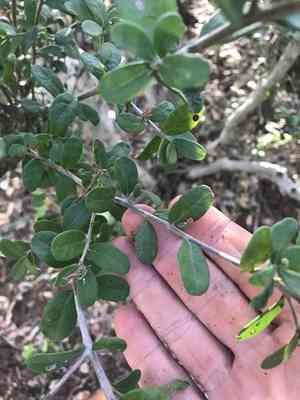
The most favorable period for transplanting Texas persimmon is late spring, as moderate temperatures facilitate root development. Select a bright spot with soil that drains effectively. If possible, preserve the root ball's structure to lessen the shock of relocation.
What Preparations are Needed Before Transplanting Texas Persimmon?
What is the Ideal Time for Transplanting Texas Persimmon?
The optimal period for relocating texas persimmon is during the mild warmth of late spring. This timing capitalizes on the end of the active growth phase, ensuring roots establish readily in their new spot. Moving texas persimmon during this gentle window guarantees a smooth transition, reducing stress and encouraging vigorous development. Embrace these favorable months for a promising and vital transplantation, setting texas persimmon on a thriving course.
How Much Space Should You Leave Between Texas Persimmon Plants?
For successful texas persimmon transplanting, new gardeners should allow ample room for growth. Ideally, plants should be spaced approximately 12-15 feet (3.6-4.6 meters) apart. This provides sufficient area for them to flourish and thrive.
What is the Best Soil Mix for Texas Persimmon Transplanting?
Our texas persimmon friend thrives in soil that drains well, such as loamy or sandy types. To prepare the soil base, use a slow-release fertilizer rich in phosphorus and potassium. This will aid in strong root development and ensure healthy growth.
Where Should You Relocate Your Texas Persimmon?
Ensure you place your texas persimmon where it can receive full sun or partial shade. An area that gets six to eight hours of sunlight daily would be ideal. This will help the plant produce more flowers and abundant harvests.
What Equipments Should You Prepare Before Transplantation Texas Persimmon?
Gardening Gloves
These are crucial for protecting your hands from sharp tools and abrasive soil particles when handling texas persimmon.
Shovel or Spade
Either of these is necessary for digging a hole for transplantation and removing the plant from its original spot.
Hand Trowel
A useful tool for precise digging during plant removal and at the transplant site.
Watering Can
To hydrate the plant after removal and post-transplant to help it settle into its new location.
Garden Hose
This is helpful for moistening the soil around the plant before removal and for maintaining hydration after transplant.
Wheelbarrow
A tool for moving the plant and soil from one place to another.
Pruning Shears
To trim the texas persimmon before and after transplant for improved growth.
How Do You Remove Texas Persimmon from the Soil?
How Do You Remove Texas Persimmon from the Soil?
From Ground: To begin, thoroughly water the texas persimmon plant a day before you plan to transplant it. This helps the soil adhere to the roots during removal, which is very important. Use a shovel or spade to dig around the plant, ensuring a wide perimeter to avoid damaging the roots. Carefully pry under the root ball and lift the plant out of its hole.From Pot: Water the texas persimmon plant in the pot thoroughly and let it sit for a few minutes. Hold the plant at its base, invert the pot, and gently tap it to loosen the plant. Carefully slide the plant out of the pot, preserving as much of the original soil as possible.From Seedling Tray: Gently separate the texas persimmon seedling and its surrounding soil from other seedlings in the tray, being careful not to harm the delicate roots. Lift the seedling by its leaves, never by its stem.
Step-by-Step Guide for Transplanting Texas Persimmon
Digging
Dig a hole that's twice as wide and as deep as the texas persimmon's root ball in your chosen spot. Loosen the soil at the sides and bottom of the hole with a hand trowel.
Placement
Carefully position the texas persimmon in the hole, ensuring it's not planted deeper than it was in its initial location.
Backfilling
Refill the hole with the original soil, patting down firmly to eliminate any air pockets.
Watering
Water your newly transplanted texas persimmon generously with a watering can or garden hose.
Pruning
Use your pruning shears to lightly trim the plant to reduce the stress of the move on the texas persimmon.
How Do You Care For Texas Persimmon After Transplanting?
Irrigation
It's crucial to water your texas persimmon thoroughly after transplanting, and keep the soil consistently moist (but not waterlogged) until the plant shows signs of new growth.
Inspection
Closely monitor the newly transplanted texas persimmon, checking for indications of water stress, root shock, or pests. Early detection and intervention can prevent significant harm to the plant.
Pruning
Regular, light pruning will encourage denser growth and a better shape for your texas persimmon plant.
Protection
During the initial weeks, shield your texas persimmon from strong winds and direct, harsh sunlight; consider using a protective cover if needed.
Mulching
Apply 3 to 4 inches of mulch around your freshly transplanted texas persimmon to help retain soil moisture and regulate soil temperature.
Troubleshooting Common Issues with Texas Persimmon Transplantation.
What's the best time of year to transplant texas persimmon?
You should aim to move texas persimmon during the transition period of S3, as this is when they can best handle the stress of being replanted.
What distance should be maintained while transplanting multiple texas persimmon plants?
For optimal growth, maintain a distance of approximately 12-15 feet (approximately 3.6-4.6 meters) between each texas persimmon. This gives them enough space to spread out.
Why is my transplanted texas persimmon wilting?
Wilting can be a sign of transplant shock. It's important to water the texas persimmon sufficiently after transplanting and keep an eye on light, temperature, and soil condition.
In which type of soil does texas persimmon prosper after being transplanted?
Texas persimmon prefer well-draining soil, which is typically a mix of sand, silt, and clay. If your soil is dense or compacted, consider mixing in some organic compost to improve its texture.
How can I increase the survival rate of my transplanted texas persimmon?
To boost survival rates, water the texas persimmon thoroughly after transplanting, avoid hot and dry spells for the initial days, and provide adequate sunlight.
How deep should the hole be while transplanting texas persimmon?
Dig a hole twice the width and the same depth as the root ball. This gives the texas persimmon enough space to spread its roots easily and adapt to the new environment.
How do I properly prepare texas persimmon for transplanting?
Begin by watering texas persimmon thoroughly a day before the transplant. Dig around the root zone trying to keep as much of the root ball intact as possible.
Why are the leaves of my transplanted texas persimmon yellowing?
This could be due to overwatering or poor drainage. Check the soil - if it's constantly wet, consider adjusting your watering schedule and ensure your texas persimmon is planted in well-draining soil.
How frequently should I water texas persimmon after transplanting?
Immediately after transplanting, water texas persimmon thoroughly. Then, frequently check the top of the soil for dryness and water as required. Avoid over or under-watering.
Should I fertilize texas persimmon soon after transplanting?
Avoid fertilizing right after transplanting as this can lead to root burn. Only apply a balanced fertilizer after 2-3 weeks when texas persimmon has begun to recover from the transplant shock.



