How to Prune Texas persimmon?
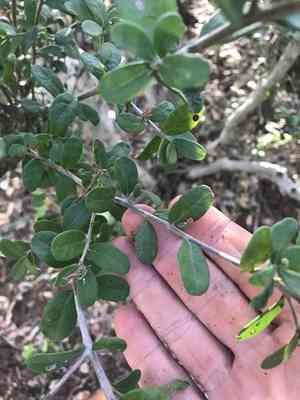
This shrub, which sheds its leaves or remains partially evergreen, recognized for its dark bark and palatable black fruit, greatly benefits from specific pruning techniques. For texas persimmon, the most effective pruning strategy involves carefully shaping the canopy to sustain an appealing appearance, eliminating deceased or ailing branches, and reducing crowded growth to enhance airflow. The ideal period for pruning is late winter, prior to the emergence of new spring foliage. Pruning during this inactive phase stimulates robust development and upholds the plant's inherent architecture, thereby boosting fruit yield and general well-being.
What Are the Benefits of Pruning Texas Persimmon?
What Are the Benefits of Pruning Texas Persimmon?
Trimming texas persimmon aids in boosting fruit production, ensures vigorous growth, and maintains a desired form. It encourages stronger, more resilient development, leading to a healthier specimen.
What Is the Best Time for Pruning Texas Persimmon?
What Is the Best Time for Pruning Texas Persimmon?
Late winter trimming is optimal for texas persimmon as it allows gardeners to eliminate any cold-damaged branches and shape the plant without new growth being harmed by frost. Pruning at this time leverages the plant's dormancy, ensuring quick wound healing without stressing the plant, as it prepares for the vigorous spring growth. Furthermore, since texas persimmon flowers on new wood, late winter pruning guarantees that the trimming does not interfere with the crucial flowering and subsequent fruiting period for this species.
What Tools Do I Need to Prune Texas Persimmon?
Hand Pruners
For precise cuts on small branches and twigs of texas persimmon to help shape the plant and remove dead or diseased wood. Ideal for branches up to 3/4 inches in diameter.
Loppers
For cutting thicker branches that hand pruners cannot handle. Suitable for branches up to 1 1/2 inches in diameter of texas persimmon, offering more leverage and reach.
Pruning Saw
Necessary for removing even larger branches of texas persimmon without damaging the plant. A saw with fine teeth is preferable for a smooth cut on branches over 1 1/2 inches in diameter.
Pole Pruner
Useful for reaching higher branches of texas persimmon if it's taller or if the gardener wishes to stay on the ground. It combines a saw and a lopper on an extendable pole.
Hedge Shears
For shaping and maintaining the outer form of texas persimmon, especially if it is being used as a hedge or for topiary. Provide a clean, even cut for aesthetic purposes.
Gloves
To protect the gardener's hands from thorns and rough bark while pruning texas persimmon.
How to Prune Texas Persimmon
Step1: Determine Optimal Pruning Season
Identify the best time of year to prune texas persimmon, which is late winter or early spring before new growth begins. This timing reduces stress on the plant and allows for healing before the growth season.
Step2: Sterilize Pruning Tools
Sanitize the pruning tools with a solution of 10% bleach or rubbing alcohol to prevent spread of disease while cutting texas persimmon.
Step3: Remove Dead Branches
Start pruning texas persimmon by removing any dead wood. Carefully inspect the plant and locate the dead branches, which will appear dry, brittle, and lifeless. Cut the dead branches at the point where they join live wood, using clean, sharp pruning shears.
Step4: Cut Back Diseased Limbs
Examine texas persimmon for diseased limbs, which may show signs of discoloration, unusual growths, or decay. Cut these limbs back to healthy wood, ideally a few inches into the healthy section to ensure the disease is completely removed.
Step5: Angle Cuts for Proper Healing
Make all cuts at a 45-degree angle to encourage proper water runoff and healing. Cuts should be just outside the branch collar, the slightly swollen area where the branch connects to the trunk or another branch.
Step6: Shape and Ensure Good Airflow
After removing dead and diseased limbs, assess texas persimmon for overall shape. If additional shaping is needed, selectively prune branches to maintain a pleasing shape and good air circulation. Avoid heavy pruning as texas persimmon does not tolerate severe cutting back well.
Step7: Dispose of Pruning Debris
Clean up the trimmed material from around texas persimmon to prevent any potential disease spread and to keep the area tidy.
Step8: Monitor Plant Health Post-Pruning
Monitor texas persimmon after pruning for signs of disease or pests, and take appropriate action if needed to maintain the health of the plant.
Post-Pruning Care for Texas Persimmon
Post-Pruning Care for Texas Persimmon
Immediately after pruning texas persimmon, clean the cuts with a diluted bleach solution to prevent infection. Provide partial shade to ease the transition back to full sunlight, ensuring adequate but not excessive water to maintain moist soil conditions. Adjust environmental humidity and temperature to replicate texas persimmon's natural habitat. Apply a balanced, slow-release fertilizer to support new growth, avoiding high-nitrogen formulas that can stress the pruned areas. Regularly inspect for signs of wilt or disease, and if detected, apply appropriate fungicides or pesticides.
Common Pruning Mistakes with Texas Persimmon
Over-pruning in Single Session
Cutting too much of the texas persimmon at once, which can stress the plant and open it up to pests or diseases.
Lack of Pruning Objective
Pruning without a clear goal, leading to a misshapen or poorly structured plant.
Using Blunt or Unclean Tools
Using dull or dirty pruning tools, increasing the risk of jagged cuts and spreading disease to the texas persimmon.
Improper Cutting Technique
Tearing or ripping stems instead of making clean cuts, damaging the texas persimmon's bark and vascular system.
Uninformed Branch Selection
Pruning the texas persimmon without identifying which branches to remove, potentially cutting off healthy, fruit-bearing wood.
Common Pruning Tips for Texas Persimmon
Tool Sanitization to Prevent Disease
Sanitize pruning tools before and after use to prevent the spread of disease to the texas persimmon.
Proper Angled Cuts for Regrowth
Make clean, angled cuts just above a bud or branching point to promote healthy regrowth in the texas persimmon.
Remove Dead or Diseased Wood
Focus on removing dead, diseased, or damaged wood to maintain the texas persimmon's health and appearance.
Prune to Natural Plant Shape
Identify the plant's natural shape and prune to enhance it, rather than imposing an unnatural form on the texas persimmon.
Thin for Air Circulation and Light
Thin out dense areas to improve air circulation and light penetration, fostering a healthier environment for the texas persimmon.
Keep Strong Branches, Prune Weak
Retain the strongest and most vigorous branches, while removing weak or spindly growth to enhance the texas persimmon's structure.



