How to Overwinter Texas persimmon
1
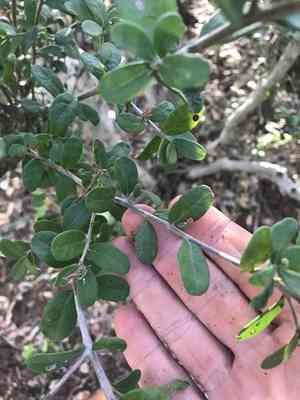
Texas persimmon tolerates cold well and thrives in diverse environments.
2
Applying mulch is essential for preserving ground moisture in colder periods.
3
Periodically check your Texas persimmon to avoid harm from winter conditions.
Understanding Texas persimmon and Its Hardiness
Understanding Texas persimmon and Its Hardiness
The Texas persimmon (Diospyros texana) is a robust and adaptable plant, perfect for gardeners in regions with mild to moderate winters. This deciduous shrub or small tree thrives in USDA Hardiness Zones 7-10, meaning it can withstand winter temperatures as low as 0°F (-17.8°C). Its resilience ensures that, with proper care, your Texas persimmon can flourish even in colder months. Moreover, its dark fruit, exfoliating bark, and attractive shape make it a beautiful addition to any garden.
Preparing Texas persimmon for Winter
When to Start Preparing
To successfully overwinter your Texas persimmon, begin preparations in early autumn, around mid-September to early October. The drop in temperature during this period prompts the plant to enter dormancy. Proper preparation at this stage establishes the groundwork for winter survival.
Key Preparatory Steps
Preparation involves several crucial steps to ensure your Texas persimmon is ready for winter: Pruning: Remove any dead or damaged branches to lessen the risk of breakage from ice or snow. Cleaning: Clear away fallen leaves, debris, and any fruit remaining on the ground around the plant to prevent disease and pests. Fertilizing: Apply a balanced fertilizer blend to your plant, but avoid excessive nitrogen as it encourages new growth that may not harden off before frost.
Ensuring Soil Health During Winter
Mulching Techniques
Mulching is an essential step in safeguarding your Texas persimmon from the harsh effects of winter. Applying a 7-10 cm (3-4 inch) thick layer of organic mulch, such as straw, wood chips, or shredded leaves, around the plant's base helps insulate the roots and maintain soil temperature. This mulch layer retains moisture and prevents soil erosion, which is vital during the dormant season.
Soil Moisture Management
Maintaining appropriate soil moisture is crucial for your Texas persimmonâs winter health. While itâs important to reduce watering as the weather cools, ensure the soil remains slightly moist but not saturated. Overly dry soil can cause stress to the plant, whereas too much water can lead to root rot.
Protecting Texas persimmon from Frost
Frost Cloths and Covers
To shield your Texas persimmon from unexpected frosts, utilize frost cloths or covers. These materials are designed to trap heat without suffocating the plant. Draping them over the plant on nights when frost is anticipated can help maintain a stable temperature and minimize frost damage.
Using Windbreaks
Strong, cold winds can be detrimental to your Texas persimmon during the winter. Erecting windbreaks, such as burlap screens or temporary fences, can reduce wind exposure and protect your plant. Position these windbreaks on the side of the prevailing wind to create a protective barrier.
Monitoring and Maintenance During Winter
Regular Inspections
Throughout the winter, routinely inspect your Texas persimmon for any indications of damage or stress. Check for broken branches, signs of disease, or unusual changes in the bark. Address any issues promptly to prevent further damage.
Watering Needs
While your Texas persimmon will require less water during its dormant phase, it is still important to provide occasional watering during dry spells. Aim for once every few weeks during the winter, ensuring the soil around the roots remains slightly moist without becoming waterlogged.



