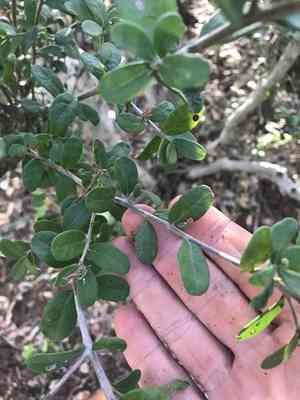
Texas persimmon (Diospyros texana)
Also known as: Black persimmon, Chapote Prieto
The Texas persimmon is a small tree or large shrub with a lifespan of 30 to 50 years, typically reaching around 3 meters in height but potentially growing taller under ideal conditions. Its heartwood is dark and can be polished to a high sheen, making it ideal for creating fine furniture, turned objects such as bowls and pens, and tool handles. Additionally, the tree produces edible berries that are often incorporated into desserts like puddings and custards.
In This Article
Attributes of Texas persimmon
Lifespan
Perennial
Plant Type
Tree
Plant Height
6 m to 12 m
Spread
4.5 m to 8 m
Leaf Color
Green
Flower Size
2.5 cm
Flower Color
White Yellow Green
Images of Texas persimmon
Quickly Identify Texas persimmon
1
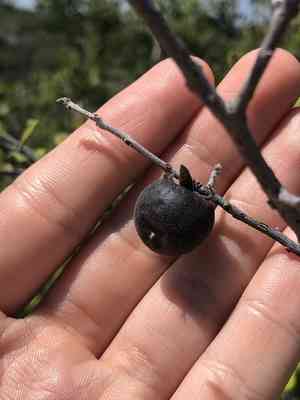
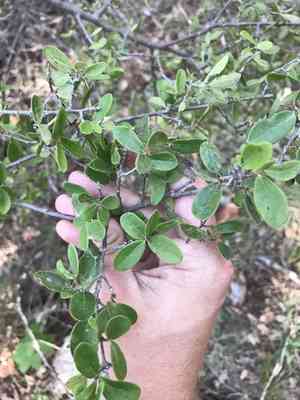
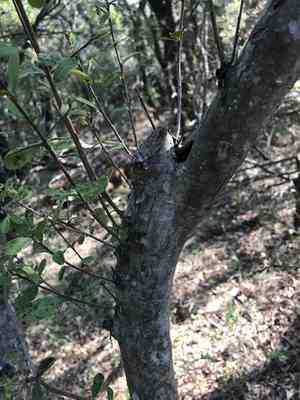
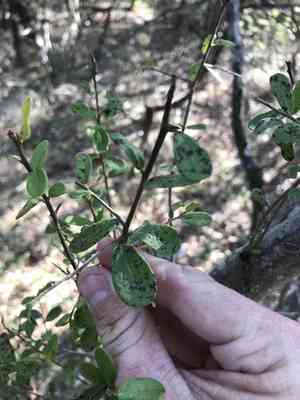
The tree has a distinctive light gray bark that flakes off to reveal darker shades. Leaves are small, oval, and leathery. The fruit turns from green to black when ripe. Male and female flowers are on separate trees.
Scientific Classification of Texas persimmon
Phylum
Vascular plants
Class
Dicotyledons
Order
Ericales
Family
Ebony
Genus
Diospyros
Species
Texas persimmon
Planting and Growing of Texas persimmon
Care Difficulty
Easy
Watering Schedule
Every 2 days
Sunlight Requirements
Full sun
Sunshine Duration
4-8 hours
Ideal Temperature
60-80℉
Soil Type
Potting Mix, Peat Mix
Soil pH
6.5-7.5
Fertilizer Type
Balanced
Pruning Season
Spring, Summer
Pruning Area
Branches, Leaves
Pruning Frequency
2 times a year
Repotting Season
Spring
Pot Type
Plastic, Terracotta
 How to Water Texas persimmon?
Diospyros texana prefers a moderate watering schedule, ensuring that the soil remains evenly moist but never waterlogged. The plant's roots thrive best when hydrated deeply, soaking the soil thoroughly each time, but then allowing it to dry slightly before the next watering. This ensures that the roots receive adequate oxygen and do not succumb to rot.
What are the symptoms of an underwatered Texas persimmon?
›
What should I do if my Texas persimmon is not getting enough water?
›
What are the symptoms of an overwatered Texas persimmon?
›
How to save an overwatered Texas persimmon?
›
 What Are the Sunlight Requirements for Texas persimmon?
Diospyros texana's ideal light range is full sun. This plant benefits from ample sunlight which enhances photosynthetic activity, fosters strong growth, optimal fruit production, and strengthens the plant's natural defenses.
More About Sunlight Requirements Techniques→
What type of sunlight does Diospyros texana prefer?
›
How can one ensure Diospyros texana receives appropriate sunlight?
›
What are the benefits of providing ideal lighting conditions for Diospyros texana?
›
 What Is the Ideal Temperature Range for Texas persimmon?
The ideal temperature range for Diospyros texana is between 60°F and 80°F. In this range, the plant can thrive, showing optimal growth and fruiting. Maintaining this range is crucial for reproducing its native subtropical environment, which supports its biological processes efficiently.
 What Soil is Best for Texas persimmon?
Diospyros texana thrives in well-drained soil, which prevents root waterlogging and promotes healthy growth. Good drainage ensures that the roots have access to the necessary oxygen and nutrients without being suffocated by excessive moisture. This plant does not require highly fertile soil, making it less demanding in terms of nutrient inputs. Moderate soil fertility supports steady growth and reduces risk of nutrient burn that could occur in overly rich soils. A soil pH between 6.5 and 7.5 is ideal for Diospyros texana, as it allows for optimal nutrient absorption and minimizes the risk of nutrient deficiencies. This pH range ensures the availability of essential minerals for plant health.
 How to Fertilize Texas persimmon?
For Diospyros texana, moderate fertilizer amounts are key. For liquid fertilizers, use a 10-10-10 NPK formula, diluted to half-strength, approximately 500 ml for young trees and around 1 liter for mature trees per application.
 How to Prune Texas persimmon?
Prune Texas Persimmon in early spring or late winter before new growth starts. This encourages healthy new growth and helps shape the tree. Make your cuts at a 45-degree angle about a quarter inch above a bud or branch junction. This allows for natural healing and growth direction control. Trim back young branches to promote a denser growth pattern or to maintain an attractive tree form. Focus on removing any wayward growth.
More About Pruning Techniques→
 How to Propagate Texas persimmon plant?
1
To propagate Diospyros texana from seeds, begin by collecting ripe fruit and extracting the seeds. Clean them thoroughly to remove any pulp and prepare them for stratification if required.
2
Choose healthy, semi-hardwood branches and use pruning shears to cut pieces approximately 4 to 6 inches long. Ensure each cutting has at least two or three leaf nodes for optimal root development.
3
For grafting, carefully select a compatible rootstock and prepare the scion with a clean cut. Match the cambium layers and secure them together with grafting tape, ensuring the graft union stays in place.
 How to Repot Texas persimmon plant?
1
Repot Diospyros texana when you notice its roots popping out from the base of the pot, or when it seems to outgrow its current home. Spring and early summer are perfect, as the plant is in its active growth phase, allowing it to settle faster and healthier in the new pot.
2
Select a pot that is just slightly larger than the current one. A pot with a width of 2-4 inches more is ideal. This ensures enough space for growing roots but prevents soil from becoming too waterlogged, fostering a healthy balance for nutrient uptake and growth.
3
Opt for a well-draining, sandy loam mix that mimics the natural habitat of Diospyros texana. This soil structure aids in preventing root rot and provides excellent aeration and moisture control, essential for this species.



